
Medications: Quick, Practical Info for Everyday Use
Looking for straight‑forward details about a pill, eye drop, or supplement? You’re in the right place. Here we break down what each medication does, how to take it safely, and where to get reliable info without the jargon.
What You’ll Find on This Page
We cover three main things: a snapshot of common prescription drugs, simple guidance on buying them online legally, and handy alternatives when a drug isn’t a good fit. Whether you’re dealing with allergies, diabetes, or just curious about a new health supplement, the answers are right here.
Our posts are written for real people, not medical students. Each article lists the drug’s purpose, typical dosage, key side‑effects, and quick tips for spotting fake online pharmacies. If a medication has a known alternative, we give you a short rundown of the pros and cons so you can talk to your doctor with confidence.
How to Use This Guide Effectively
Start by scanning the titles – they include the drug name, what it treats, and a hint about safety or buying tips. Click the one that matches your need, then skim the first paragraph for a quick take‑away. If you need more depth, scroll down for dosage charts, side‑effect warnings, and legal buying advice specific to New Zealand and other regions.
Remember, this site is for educational purposes. Always verify any dosage changes or new prescriptions with a qualified healthcare professional. The goal is to give you a solid foundation so your next conversation with the doctor is informed and efficient.
Got a question about a medication you can’t find? Use the search bar at the top of the site and type the drug name or the condition you’re treating. Our database is constantly updated, so new entries appear as soon as reliable info becomes available.
Finally, if you’re looking to buy a prescription drug online, follow our safety checklist: check the pharmacy’s license, confirm it requires a valid prescription, and compare prices with reputable local pharmacies. This helps you avoid counterfeit products and stay within the law.
That’s the core of what we offer – clear, actionable medication info without the fluff. Dive into the articles below and take control of your health choices today.
-
5

UK substitution laws are transforming how the NHS delivers medications and care. From generic drug swaps to remote pharmacies and community health shifts, these 2025 reforms aim to cut costs - but are they leaving vulnerable patients behind?
-
3

Turmeric supplements can dangerously increase bleeding risk when taken with blood thinners like warfarin. Real cases show INR levels spiking over 10. Avoid curcumin supplements if you're on anticoagulants.
-
2

Levothyroxine can lose up to 25% of its effectiveness when taken with iron or calcium. Learn the exact timing to separate doses, avoid common mistakes, and stabilize your thyroid levels for better health.
-
24

Consumer language guides are turning confusing drug labels into clear, simple advice. Learn how plain-language explanations help patients understand that generics work just as well as brands-and save them hundreds each year.
-
16
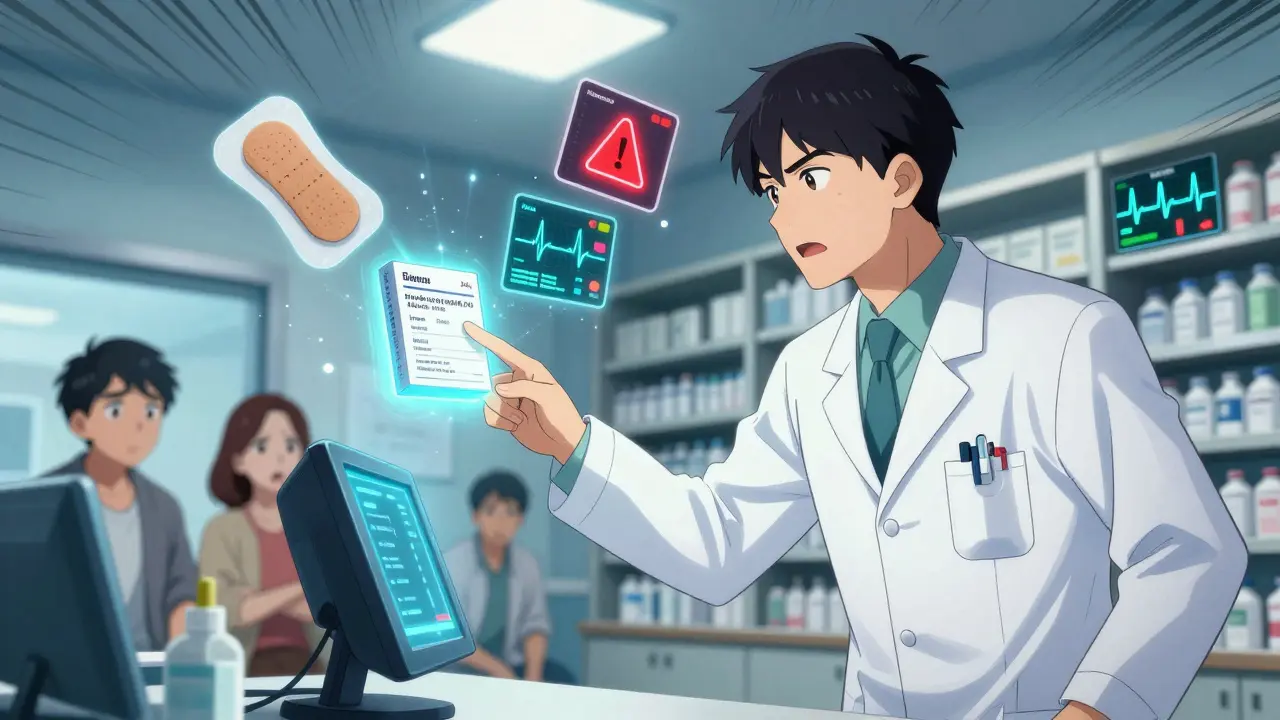
Annual updates to FDA boxed warnings now include specific risk numbers and monitoring rules, directly impacting prescribing, pharmacy checks, and patient safety. Here’s what changed in 2024-2025 and why it matters.
-
10

Statins can slightly raise blood sugar and increase diabetes risk in some people, especially at high doses. But for most, the heart protection they offer far outweighs this small risk. Here’s what you need to know to stay safe.
-
7
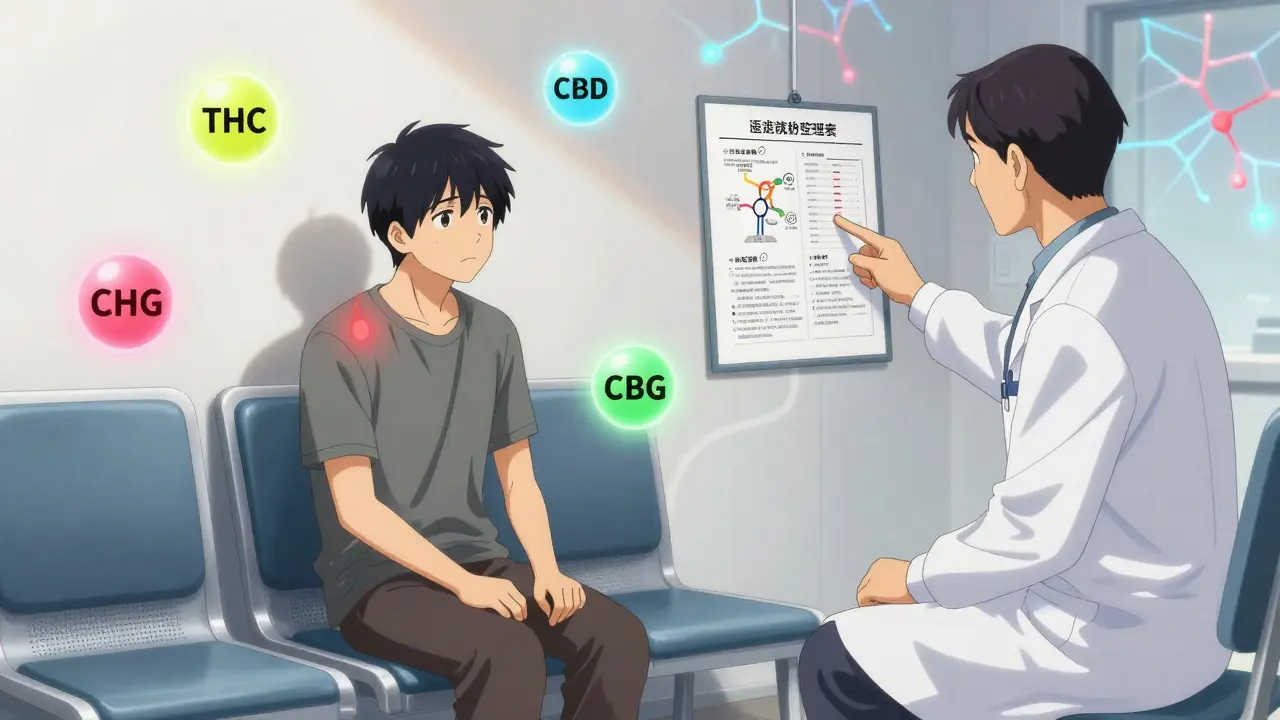
Cannabinoids like CBD and THC are widely marketed for pain relief, but the science is mixed. Learn what actually works, what doesn't, and how to avoid risky products.
-
4

Medication reformulations adjust drug formulas to improve patient outcomes. Learn how companies modify delivery methods, excipients, and regulations while navigating FDA pathways and industry challenges.
-
3

Learn how to time your medication doses to reduce your baby's exposure to drugs while continuing to breastfeed safely. Expert-backed strategies for painkillers, antidepressants, and more.
-
2

Many antidepressants cause weight gain over time, especially mirtazapine and tricyclics. Bupropion is the only common one linked to little or no gain. Learn which drugs are most likely to cause weight gain and how to manage it without quitting your medication.
-
1

Mouth sores from medications like chemo and radiation are common and painful, but preventable. Learn proven, practical steps to avoid them and manage pain with ice chips, benzydamine, and proper oral care.
-
31

Learn evidence-based tapering schedules to safely stop antidepressants without severe withdrawal symptoms. Includes drug-specific timelines, micro-tapering tips, and what to do if symptoms strike.
Tags Weight
- online pharmacy
- side effects
- medication safety
- dietary supplement
- dosage
- online pharmacy safety
- drug interaction
- drug interactions
- generic medications
- generic drugs
- health benefits
- allergy relief
- autoimmune disease
- antibiotic
- pharmacy reviews
- affordable antidepressant
- gut health
- safe online meds
- prevention
- patient safety