
Mouth Sore Risk Assessment Tool
How Likely Are You to Develop Mouth Sores?
Answer these simple questions to assess your personal risk and get tailored prevention recommendations.
Why Your Mouth Hurts After Taking Certain Medications
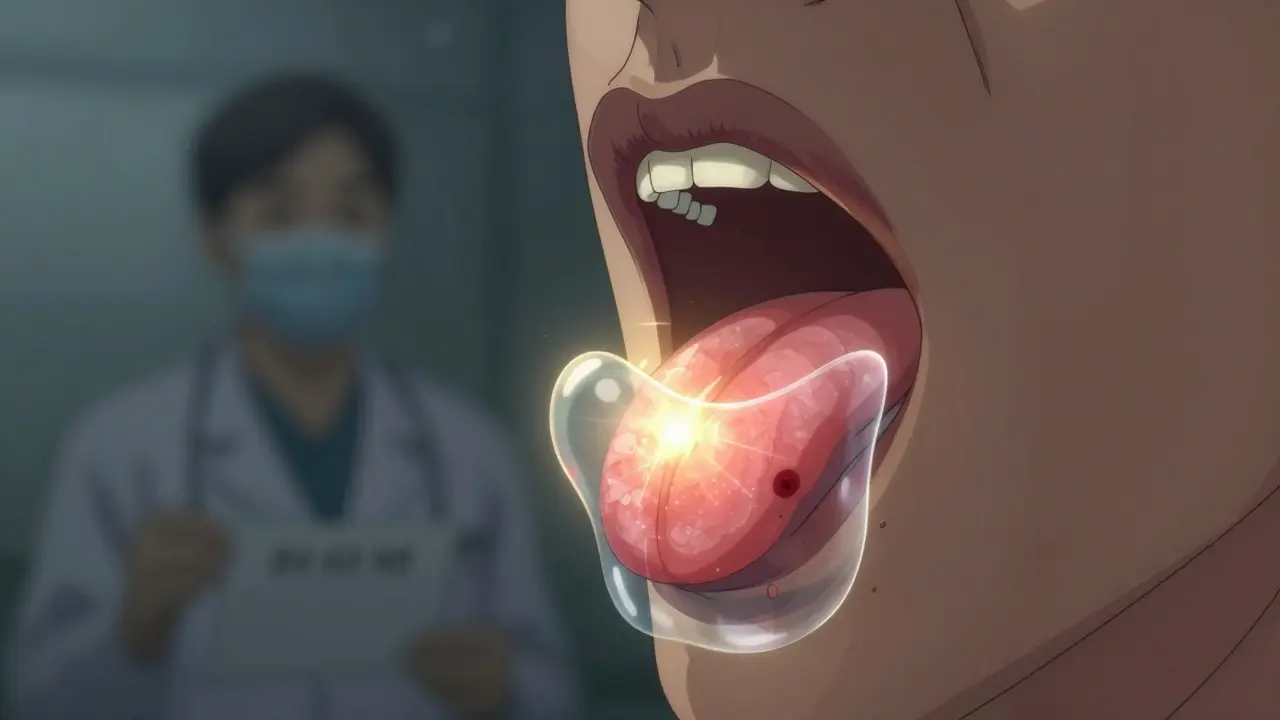
It’s not just a sore spot-it’s a burning, raw patch inside your cheek, on your tongue, or along your gums that makes eating, talking, or even swallowing painful. If you’re on chemotherapy, radiation, or certain antibiotics, this isn’t bad luck. It’s oral mucositis, a predictable side effect caused by damage to the delicate cells lining your mouth. Up to 100% of cancer patients on intensive treatments develop it, and even people on common drugs like methotrexate or bisphosphonates can get painful ulcers. The good news? You don’t have to just endure it. Prevention works better than treatment, and there are proven, practical steps you can take right now.
What Causes Medication-Induced Mouth Sores?
These sores aren’t infections or canker sores from stress. They’re a direct result of drugs attacking rapidly dividing cells-including those in your mouth. Chemotherapy and radiation don’t just target cancer. They hit the lining of your mouth the same way, causing inflammation, breakdown, and open sores. The severity depends on the drug, dose, and how long you’re on it. High-dose chemo for stem cell transplants? Nearly everyone gets it. A single round of 5-fluorouracil? Still a real risk. Even some blood pressure meds and antidepressants can trigger mild but annoying ulcers in sensitive people.
The body’s response makes it worse. As cells die, they release chemicals that trigger inflammation. Your mouth dries out. Bacteria grow. The sores deepen. What starts as redness can turn into a deep, painful ulcer in days. That’s why waiting until it hurts is already too late.
Prevention Is the Only Real Strategy
Doctors used to treat mouth sores after they appeared. Now, the guidelines are clear: stop waiting. Prevention is the only way to avoid severe pain, hospital stays, and treatment delays. The Multinational Association of Supportive Care in Cancer (MASCC/ISOO) says this outright-prevent before you suffer.
Here’s what actually works, backed by clinical trials:
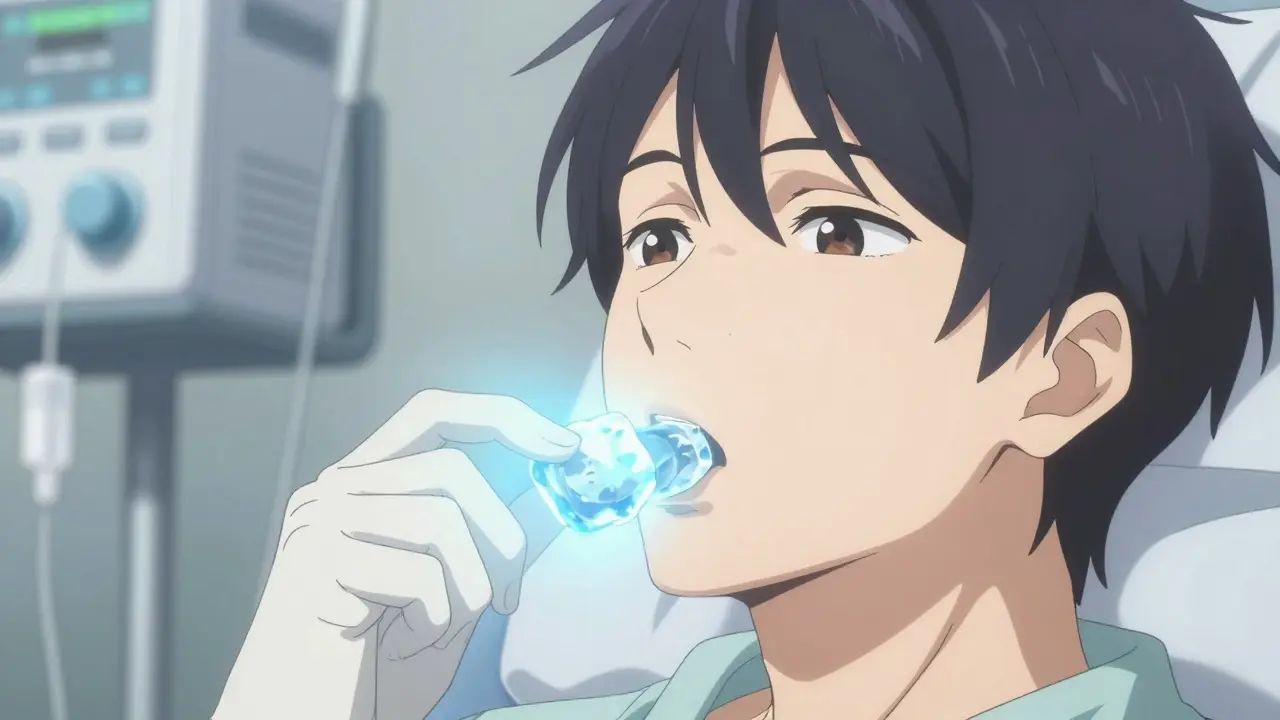
- Cryotherapy (ice chips) - For patients getting melphalan or 5-fluorouracil: suck on ice chips for 30 minutes, starting 5 minutes before your infusion. It cools your mouth, slowing blood flow and reducing how much drug reaches your oral tissues. Studies show it cuts severe sores by half. It’s free, simple, and effective-but only if you do it right. Most people give up because it’s uncomfortable. Stick with it. The pain relief later is worth it.
- Benzydamine mouthwash - A 0.15% rinse used 3-4 times a day, starting before treatment, reduces severe sores by 34% in radiotherapy patients. It’s anti-inflammatory, not antibacterial. It stings at first, but most people keep using it because it cuts pain significantly. Avoid if you’re allergic to aspirin. Cost? Around $20 per course.
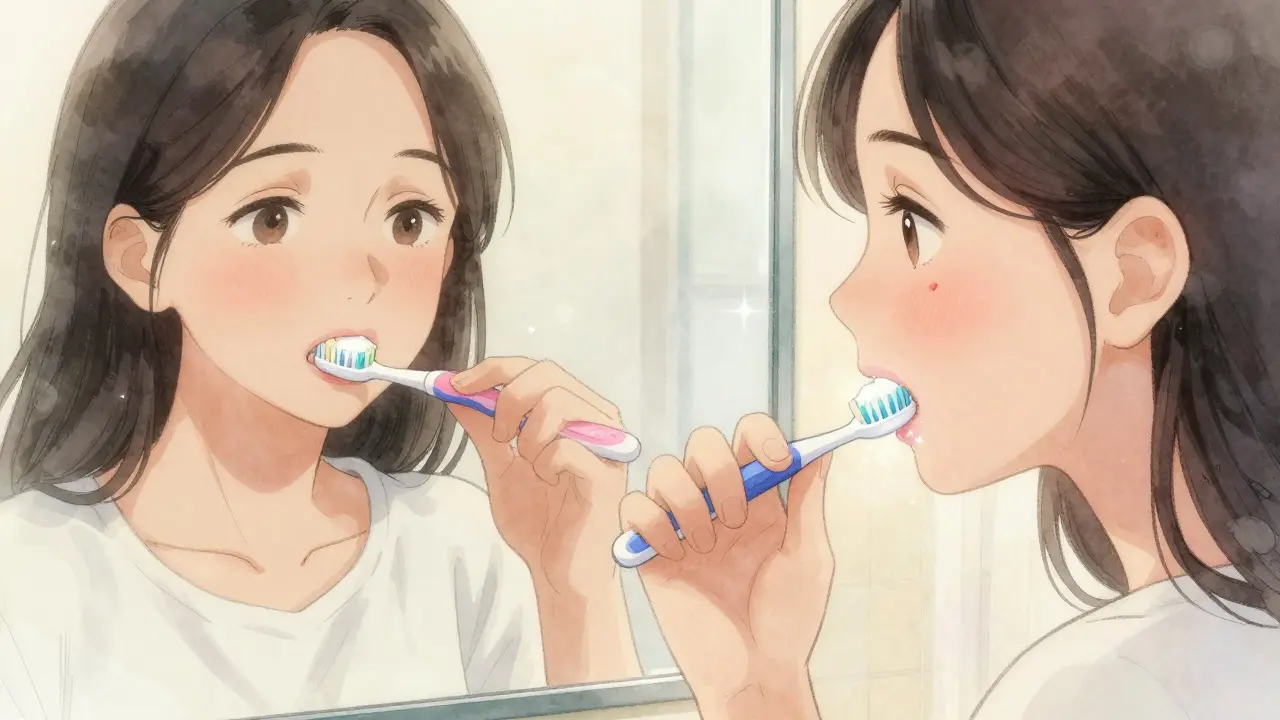
- Proper oral hygiene - Use a soft-bristle toothbrush (bristles under 0.008 inches) and fluoride toothpaste twice a day. Skip toothpastes with sodium lauryl sulfate (SLS)-it’s a common irritant. Rinse after meals with a baking soda solution: 1 teaspoon in 8 ounces of water. It neutralizes acid and soothes tissue.
- Dental checkup before treatment - Get your teeth cleaned and any loose fillings or infections fixed 2-4 weeks before starting chemo or radiation. A 2024 study showed 78% of severe cases could be avoided with this step alone.
What Doesn’t Work (And Why You Should Stop Using It)
Chlorhexidine mouthwash is everywhere. Dentists hand it out like candy. But here’s the truth: it only reduces risk by 15%. That’s barely better than placebo. Worse, long-term use can stain your teeth brown and mess with your taste. A 2020 patient survey found 28% had lasting taste changes. If you’re using it just because your doctor handed it to you, ask why. There are better options.
Glutamine supplements? They helped in one study, but not in others. The benefit seems limited to head and neck cancer patients on radiation. For most people, it’s a waste of money. Don’t spend $50 a month on it unless you’re in that specific group.
And don’t take antibiotics to prevent mouth sores. A 2021 study found it raised the risk of a dangerous gut infection (Clostridium difficile) by 27%. The trade-off isn’t worth it.
When Sores Do Happen: How to Manage the Pain
Even with prevention, sometimes sores form. When they do, focus on comfort and healing.
- Gelclair - This oral gel coats the sores like a protective film. It contains sodium hyaluronate and glycerin, which soothe and hydrate. Many patients say it gives 4 hours of relief per application. The texture is slimy, and some hate it-but if you can’t eat or drink, you’ll learn to live with it.
- Dexamethasone mouthwash - A 0.5mg/5mL rinse used 4 times a day cuts pain scores by 37% in clinical trials. It’s a steroid, so it reduces swelling fast. Ask your oncologist for a prescription. Don’t swallow it-swish and spit.
- Allopurinol mouthwash - Dissolve 500mg in 20mL water and swish 4 times daily. It’s not widely known, but studies show a 40% drop in severe sores for radiation patients. Easy to make, cheap, and low-risk.
- Stay hydrated - Dry mouth makes everything worse. Use artificial saliva sprays like Biotene or take pilocarpine 5mg tablets three times a day. They boost natural saliva by nearly 50%.
What About New Treatments?
Science is moving fast. A new drug called GC4419, a superoxide dismutase mimetic, reduced severe mucositis duration by 38% in a 2024 trial. Low-level laser therapy (LLLT) is also gaining traction-650nm light applied to the mouth for a few minutes daily reduced severe sores from 41% to 18% in a 2023 study. These aren’t widely available yet, but if you’re in a major cancer center, ask if they offer them.
Memorial Sloan Kettering has developed a risk calculator that uses 12 factors-like your age, drug type, and oral health-to predict who’s most likely to get bad sores. If you’re flagged as high-risk, you get stronger prevention upfront. That’s the future: personalized care, not one-size-fits-all.
Real People, Real Experiences
On cancer forums, patients share what actually helps:
- “I used ice chips during my 5-FU infusions. I thought it was crazy, but I could eat soup again after two days.” - Sarah, 54
- “Gelclair felt like swallowing snot, but it was the only thing that let me swallow without screaming.” - Mark, 61
- “I switched to a kids’ toothbrush. The bristles were so soft I didn’t feel it when I brushed.” - Linda, 48
- “I stopped using my regular toothpaste. SLS made my sores worse. Baking soda rinse saved me.” - James, 59
One common thread? People who started prevention before treatment had far less pain. Those who waited until they were in agony? They needed feeding tubes or hospital stays.
Cost and Access: What You Can Actually Afford
Palifermin, a drug that cuts severe sores from 63% to 20% in stem cell patients, costs over $10,000 per course. It’s powerful-but only for a small group. Most people won’t qualify or can’t afford it.
Benzydamine? $15-25. Ice chips? Free. Gelclair? Around $40 per tube, lasts 1-2 weeks. Baking soda? Pennies. You don’t need expensive drugs to protect your mouth. The most effective tools are simple, cheap, and require discipline.
Insurance is slowly catching up. Medicare and Medicaid now tie hospital payments to how many patients develop mouth sores. That’s why most cancer centers now have formal oral care teams. Ask yours if they have a protocol. If they don’t, ask why.
What to Do Today
Here’s your action list:
- Check your toothpaste. If it says “SLS” or “sodium lauryl sulfate,” switch to a sulfate-free brand.
- Get a soft-bristle toothbrush. Kids’ toothbrushes work fine.
- Make a baking soda rinse: 1 tsp in 8 oz water. Use after every meal.
- If you’re starting chemo or radiation, ask your doctor: “Do I need benzydamine? Should I use ice chips? Is a dental checkup needed?”
- If you already have sores, try Gelclair or a dexamethasone rinse. Don’t wait for them to get worse.
Oral mucositis isn’t something you just have to live with. It’s a side effect you can prepare for. The difference between mild discomfort and hospitalization comes down to what you do in the days before treatment starts-not after it begins.
Can medications other than chemo cause mouth sores?
Yes. Besides chemotherapy and radiation, drugs like methotrexate, bisphosphonates (used for osteoporosis), certain antibiotics, and even some blood pressure or antidepressant medications can trigger mouth ulcers. The mechanism is different-it’s often an immune reaction or drying effect-but the result is the same: painful sores. If you notice new ulcers after starting a new drug, talk to your doctor. It might not be an infection.
How long do medication-induced mouth sores last?
It depends on the cause. With chemotherapy, sores usually peak around day 7-10 and heal in 2-4 weeks after treatment ends. Radiation sores can last longer-sometimes 6-8 weeks-because tissue damage is cumulative. If sores don’t start improving within 2 weeks after your last dose, or if they get worse, see your oncologist. You might have a secondary infection or need stronger treatment.
Is it safe to use mouthwash with alcohol for mouth sores?
No. Alcohol-based mouthwashes dry out the mouth and irritate damaged tissue. They’ll make your sores burn more and slow healing. Always choose alcohol-free options. Even over-the-counter “healing” rinses often contain alcohol-check the label. Stick to baking soda rinses, benzydamine, or prescribed dexamethasone.
Can I still eat solid food with mouth sores?
You can, but you need to be smart. Avoid spicy, acidic, crunchy, or salty foods-they’ll sting. Stick to soft, bland, cool foods: mashed potatoes, yogurt, scrambled eggs, oatmeal, smoothies. Use a straw for liquids to bypass sore areas. If eating is too painful, nutritional shakes can help you get calories and protein while your mouth heals.
Should I stop my medication if I get mouth sores?
Never stop your medication without talking to your doctor. Mouth sores are a side effect, not a reason to quit treatment. Stopping chemo or radiation can reduce your chances of survival. Instead, focus on managing the sores with the right tools-mouthwashes, gels, ice chips, or pain relief. Your care team can adjust your plan without stopping the treatment.
Ellie Norris
February 3, 2026 AT 10:04i just started chemo last week and i didnt know about the ice chips thing 😅 i tried it tonight and honestly? it felt weird but my mouth stopped burning so fast. thank you for this post!!
Marc Durocher
February 3, 2026 AT 13:24so let me get this straight… you’re telling me the one thing that actually works is sucking on ice cubes like a toddler with a popsicle? and the fancy $10k drug is just for the rich? wow. medicine is a joke.
larry keenan
February 4, 2026 AT 09:38While the preventive measures outlined are clinically substantiated, it is worth noting that the efficacy of cryotherapy is contingent upon the pharmacokinetic profile of the administered chemotherapeutic agent. Melphalan and 5-fluorouracil exhibit reduced mucosal uptake under hypothermic conditions due to vasoconstriction, as demonstrated in Phase II trials by the MASCC/ISOO consortium. The data is robust, though compliance remains suboptimal in outpatient settings.
Nick Flake
February 5, 2026 AT 12:01ice chips = free superpower 💪❄️
benzydamine = tiny bottle of peace 🕊️
forget the $10k drug, your mouth just needs love, not a luxury spa treatment. this post made me cry. not from pain. from hope.
Akhona Myeki
February 6, 2026 AT 08:29In South Africa, we do not waste time with ice chips and baking soda. We have traditional herbal rinses that have been used for centuries. Your Western medicine is slow and expensive. Why are you not listening to African wisdom? This is not science. This is capitalism.
Chinmoy Kumar
February 8, 2026 AT 01:43hey i just got prescribed methotrexate last month and started getting these ulcers… i switched to kids toothpaste and baking soda rinse and wow… no more burning. i thought it was just me being weak. turns out it was the toothpaste 😅 thanks for sharing this!
Brett MacDonald
February 8, 2026 AT 04:58so if you dont do all this stuff you’re basically just a bad patient? like its your fault your mouth hurts? chill. medicine is supposed to help, not turn you into a compliance robot.
Sandeep Kumar
February 8, 2026 AT 05:40Ice chips? Baking soda? You call that medicine? In India we have turmeric gargles and neem leaf rinses. Your so called science is just overpriced placebo. We cured oral ulcers before your grandparents were born. Stop copying us and start respecting us.
Dan Pearson
February 8, 2026 AT 09:30oh wow, so the only thing that actually works is FREE and you didn't even tell us until now? your doctor probably made $2000 off that chlorhexidine bottle. i'm filing a complaint.
Bob Hynes
February 8, 2026 AT 21:13as a canadian, i gotta say… we have the same problem. my oncologist gave me chlorhexidine like it was candy. i switched to ice chips and now i can eat ice cream again. 🍦❤️ thanks for reminding us that simple works best. canada says: you’re doing great.
Bridget Molokomme
February 9, 2026 AT 22:02so the real villain is sodium lauryl sulfate… the toothpaste industry’s little secret? lol. i used to think my mouth sores were from stress. turns out i was just brushing with soap.
Brittany Marioni
February 11, 2026 AT 04:36PLEASE, PLEASE, PLEASE-do NOT use alcohol-based mouthwash. I did. It felt like swallowing fire. I cried. I regretted everything. Please, please, please… check the label. It’s not just ‘irritating’-it’s torture.
Monica Slypig
February 12, 2026 AT 20:29These so-called ‘natural remedies’ are anecdotal garbage. Real medicine requires pharmaceutical-grade compounds. If you’re using baking soda and ice chips, you’re not treating-you’re just delaying the inevitable. This post is dangerously misleading.