
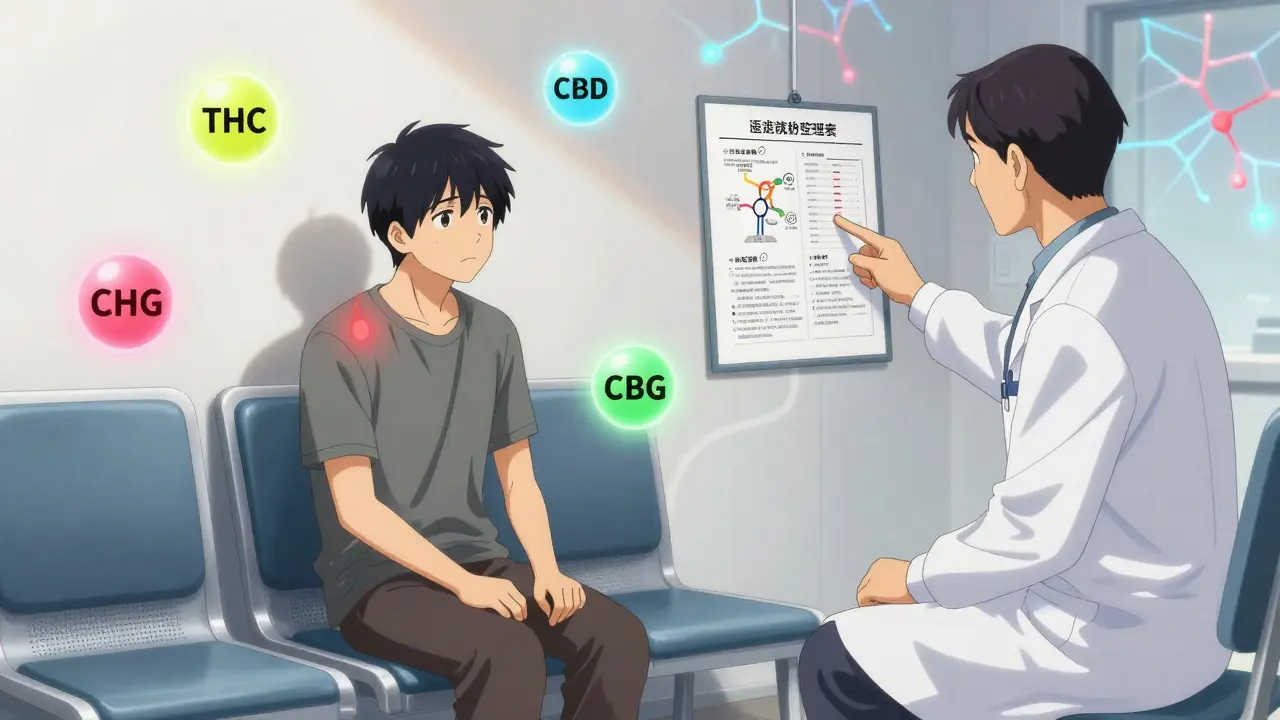
When you're dealing with chronic pain, the search for relief can feel endless. Opioids come with addiction risks. NSAIDs can wreck your stomach. Steroids? Too many side effects. So when you hear about cannabinoids-CBD, THC, CBG-offering pain relief without the downsides, it’s tempting to give them a try. But here’s the truth: cannabinoids aren’t a magic bullet. Some people swear by them. Others spend hundreds of dollars and feel nothing. The science? It’s messy, conflicting, and still evolving.
What Even Are Cannabinoids?
Cannabinoids are chemicals found in the cannabis plant. The two most talked-about are THC (tetrahydrocannabinol) and CBD (cannabidiol). THC is the compound that gets you high. CBD doesn’t. But there are others: CBG (cannabigerol), CBN (cannabinol), and more. These all interact with your body’s endocannabinoid system-a network of receptors that helps regulate pain, mood, sleep, and inflammation.
That’s why researchers think they might help with pain. But not all cannabinoids work the same way. And not all products you find online are what they claim to be.
The Evidence: Mixed, But Not Blanket Rejection
Let’s cut through the noise. There’s no single answer. Different studies say different things-and often, they’re studying completely different things.
- A 2015 JAMA review of 28 studies found moderate-quality evidence that cannabinoids help with chronic pain, especially nerve-related pain like diabetic neuropathy or MS-related spasticity.
- But a 2023 University of Bath analysis of 16 high-quality trials on pharmaceutical-grade CBD found 15 showed no benefit over placebo. Not even a little.
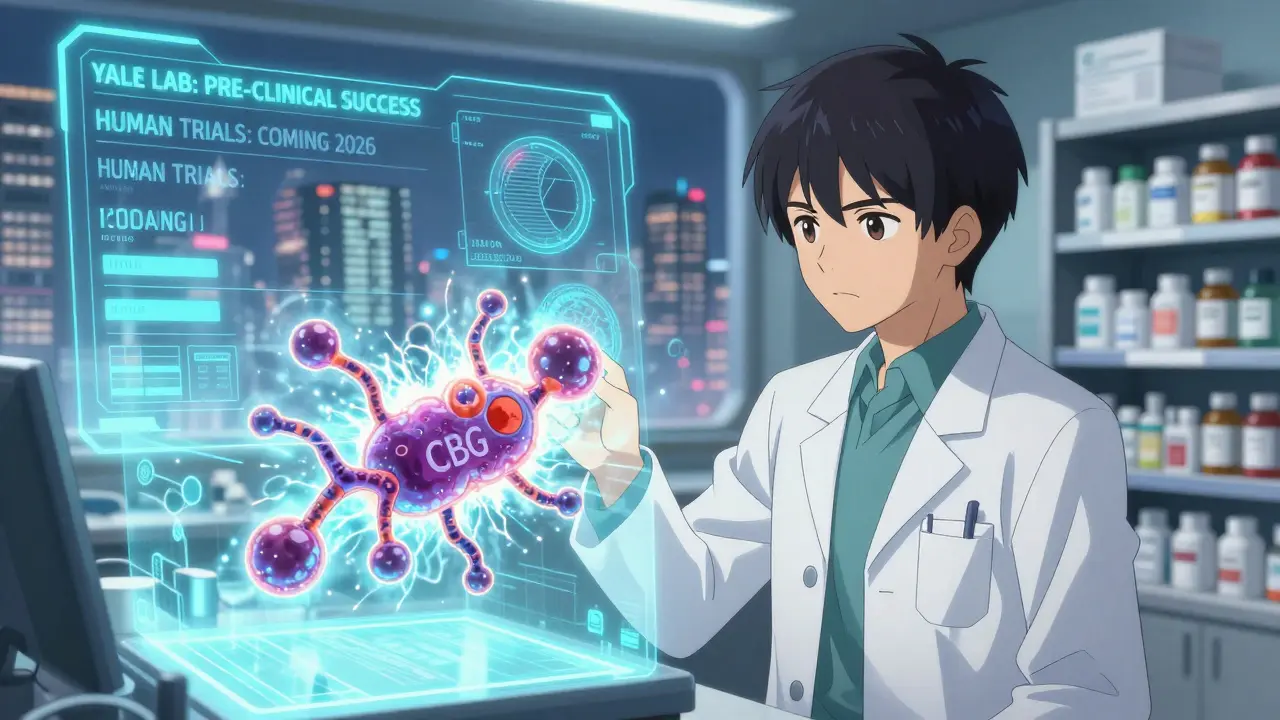
- Meanwhile, a January 2025 Yale study showed that CBG and CBN blocked a key pain-signaling protein in lab tests-with CBG being the strongest. This is promising, but it’s still early-stage lab work, not human trials.
So what gives? The difference is often in the compound being tested. CBD alone? Mostly ineffective in controlled trials. THC? More consistent. A 1:1 mix of THC and CBD (like the drug Sativex)? Approved in Canada and Europe for MS pain and cancer pain that won’t respond to opioids.
The CDC puts it bluntly: "There’s limited evidence cannabis works for most types of pain." But they do admit it may help with neuropathic pain. That’s important. If your pain comes from nerve damage-diabetes, shingles, sciatica-there’s a better chance cannabinoids could help than if you have arthritis or lower back pain from muscle strain.
Why Do So Many People Say It Works?
People report real relief. One Reddit user said CBD cut their fibromyalgia pain by 30%. Another said $400 in gummies did nothing. Why the gap?
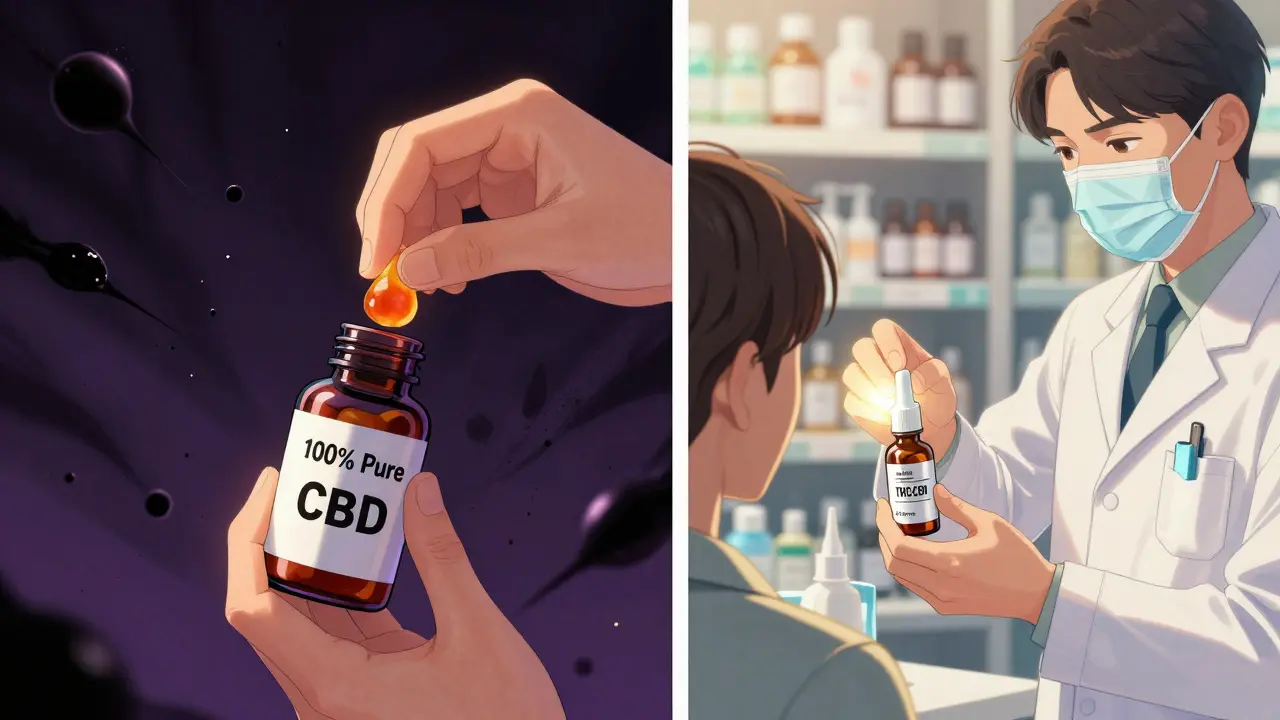
First, CBD products sold online are a wild west. The University of Bath tested 80 products and found some had zero CBD. Others had 260% more than labeled. Some even contained illegal amounts of THC. That means you could be taking something completely different than what’s on the bottle.
Second, pain isn’t just physical. Anxiety, sleep, stress-all of it feeds into how much pain you feel. Many people who use CBD report better sleep or less anxiety. That doesn’t mean the pain is gone. But when you sleep better and feel calmer, the pain feels less overwhelming. That’s not the same as blocking pain signals.
Third, placebo effect is powerful. Especially when you’re desperate. A 2023 analysis of 14,500 Amazon and Trustpilot reviews found 41% of negative reviews said "no pain relief." But 28% praised it for reducing anxiety. So people feel better-but not because their pain disappeared.
Dosing: No Rules, Just Guesswork
There’s no official dosing guideline for cannabinoids and pain. Not from the FDA. Not from the CDC. Not even from major pain societies.
Here’s what most clinicians suggest based on experience:
- Start low: 2.5-5 mg of THC or 10-20 mg of CBD.
- Wait at least 2 hours before taking more. Edibles take longer than tinctures or vapor.
- Go slow: Increase by 2.5 mg THC or 5 mg CBD every few days.
- Track everything: What dose? When? How did you feel? Did sleep improve? Did anxiety drop? Did pain actually decrease?
For THC:CBD combos like Sativex, dosing is more controlled-usually 2.7 mg THC and 2.5 mg CBD per spray, up to 12 sprays a day. But that’s a prescription drug. Not something you buy at a gas station.
And don’t assume more is better. High doses of CBD (over 100 mg/day) have been linked to liver enzyme changes in some people. That’s not common-but it’s real. And THC can make you dizzy, dry-mouthed, or even anxious if you take too much.
Safety: It’s Not Just About Side Effects
Yes, cannabinoids are generally safer than opioids. No one’s ever overdosed on CBD or THC alone. But "safe" doesn’t mean "risk-free."
- Drug interactions: CBD and THC are processed by the same liver enzymes as blood thinners (like warfarin), seizure meds (clobazam), and some antidepressants. This can make those drugs build up to dangerous levels.
- Contamination: Many CBD products contain heavy metals, pesticides, or synthetic cannabinoids. These aren’t listed on the label. And they’re not tested in most states.
- THC exposure: If you’re using CBD oil that contains even 0.3% THC (legal limit), you could fail a drug test. And if it’s labeled "THC-free" but actually has 5%? That’s illegal in many places.
- Psychological effects: THC can worsen anxiety or trigger psychosis in vulnerable people. CBD doesn’t do that-but many "CBD" products aren’t pure.
The FDA has sent 147 warning letters since 2018 to companies making false pain claims. That’s not a glitch. That’s a pattern.
What Works Best? The Real Answer
Based on current evidence, here’s what we know:
- For neuropathic pain: A 1:1 THC:CBD combination (like Sativex) has the strongest evidence. It’s approved outside the U.S. and used in clinical settings.
- For other chronic pain: Evidence is weak. CBD alone? Unlikely to help. THC alone? Might help, but with psychoactive side effects.
- For acute pain: Almost no evidence. Don’t use cannabinoids to replace ibuprofen after a sprained ankle.
- For CBG or CBN: Promising in lab studies. No human data yet. Don’t spend money on them hoping for relief.
And here’s the hard truth: if you’re considering cannabinoids to avoid opioids, you need to talk to your doctor. Stopping opioids cold turkey can cause severe withdrawal. Adding cannabinoids without supervision doesn’t make it safer-it just adds another variable.
The Future: What’s Coming
There are at least three major clinical trials underway right now:
- GW Pharmaceuticals is testing a THC:CBD spray for cancer pain (results expected 2024).
- Columbia University is studying CBD for chronic low back pain (results 2025).
- Yale’s CBG findings are being moved toward human trials-possibly the first time a non-THC cannabinoid gets serious clinical testing.
If one of these passes Phase III, we could see the first FDA-approved cannabinoid pain medication by 2027. Until then, the market is flooded with unregulated products making promises they can’t keep.
What Should You Do?
If you’re thinking about trying cannabinoids for pain:
- Don’t start with over-the-counter CBD. The odds are against you.
- If you live in a state with medical cannabis, talk to a doctor who specializes in pain management. They can guide you toward approved products and proper dosing.
- If you’re on other medications-especially blood thinners or seizure drugs-get a drug interaction check before trying anything.
- Keep a pain diary. Note what you took, when, and how you felt 1 hour, 4 hours, and 24 hours later.
- Stop if you don’t see improvement after 4-6 weeks. It’s not worth the money or the risk.
There’s no shame in seeking relief. But chasing hope with unproven products won’t fix your pain. Science is still catching up. Until then, be smart. Be cautious. And don’t let marketing convince you that something works when the evidence says otherwise.
Can CBD alone relieve chronic pain?
Most high-quality studies show CBD alone does not provide meaningful pain relief beyond placebo. While some people report benefits, controlled trials-like those from the University of Bath and JAMA-consistently find no significant difference between CBD and sugar pills for most types of chronic pain. The exception may be nerve-related pain, but even there, evidence is weak without THC.
Is THC better than CBD for pain?
Yes, for most types of chronic pain, THC shows more consistent results than CBD. Products with a 1:1 ratio of THC to CBD (like Sativex) have the strongest clinical backing, especially for nerve pain. THC activates cannabinoid receptors more directly than CBD, which may explain its stronger effect. But it also comes with psychoactive side effects-dizziness, impaired coordination, and potential anxiety-that CBD doesn’t cause.
Are CBD gummies or oils safe to use?
Safety depends on the product. Many over-the-counter CBD products are mislabeled, contaminated, or contain illegal levels of THC. A University of Bath study found some products had zero CBD, while others had more than double the labeled amount. There’s also risk of liver toxicity at high doses and dangerous interactions with medications like blood thinners. Only use products from licensed dispensaries with third-party lab reports if you’re using them for pain.
Can cannabinoids replace opioids?
Some patients report reducing opioid use with cannabinoids-especially in cases of cancer or MS pain. But this should never be done without medical supervision. Opioid withdrawal can be severe, and cannabinoids are not proven to be as effective for acute or severe pain. The CDC does not recommend replacing opioids with cannabis as a standard treatment. The goal should be gradual, monitored tapering, not substitution.
Why do some studies say cannabinoids work and others say they don’t?
The difference lies in what’s being studied. Studies using pharmaceutical-grade THC:CBD combinations (like Sativex) show clearer results than those using unregulated CBD oils. Also, pain type matters: cannabinoids are more likely to help nerve pain than muscle or joint pain. Finally, many early studies were small or poorly designed. More recent, larger trials-especially those using placebo controls-have been much less favorable, especially for CBD alone.
Is CBG the next big thing for pain?
CBG shows strong promise in lab studies-especially from the January 2025 Yale research, which found it blocked a key pain-signaling protein more effectively than CBD or CBN. But this was done in cells and animals. There are no human trials yet. Don’t spend money on CBG products expecting results. The science is exciting, but it’s still years away from clinical use.
Frank Baumann
February 7, 2026 AT 13:21Look, I’ve been on every damn supplement known to man for my sciatica-turmeric, glucosamine, even that weird moon-milk thing-and CBD gummies were the only thing that let me sleep through the night. Not because the pain vanished, but because my brain stopped screaming about it. I don’t care what some lab study says. I’m not a statistic, I’m a person who can finally hug my kid without wincing. The system’s broken, yeah, but that doesn’t mean my relief is fake. If you’ve never been in chronic pain, you don’t get to decide what works for me.
And don’t even get me started on the ‘placebo effect’ nonsense. My dog started whining less after I started taking CBD. He doesn’t know what placebo is. So yeah, I’m keeping the gummies. And if you wanna argue, bring me the drug that lets me walk without a cane and I’ll switch. Until then? Shut up and let me live.
Alex Ogle
February 7, 2026 AT 18:26It’s weird how polarized this whole thing is. I’ve tried everything: opioids, NSAIDs, physical therapy, acupuncture, even that one guy who swore by singing to your spine. CBD? It did nothing for my lower back. THC? Made me paranoid and hungry. But my sister, who has MS, uses Sativex-and it’s life-changing for her spasms. So yeah, the science is messy because pain isn’t one thing. It’s not ‘cannabinoids work’ or ‘they don’t.’ It’s ‘this works for this person, under these conditions.’
And the real problem? We’re treating this like a drug war instead of a medical mystery. People are suffering. We need better research, not more outrage.
Brandon Osborne
February 8, 2026 AT 18:19YOU PEOPLE ARE IDIOTS. You think some weed gummy is gonna fix your ‘chronic pain’? You’re not in pain-you’re lazy. I’ve worked construction for 20 years. I’ve had broken bones, torn ligaments, and I didn’t need magic mushrooms to get through it. I used ice, rest, and hard work. Now you’re all out here popping pills like they’re candy and calling it ‘self-care.’
And don’t even mention ‘CBG’-that’s just Big Pharma’s next scam to sell you snake oil under a fancy name. You think a lab in Yale found something? Cool. Now wait 15 years for it to be approved, then pay $500 a month. Meanwhile, you’re all broke and still in pain because you’d rather chase fairy tales than lift a damn weight.
Lyle Whyatt
February 9, 2026 AT 01:22As someone who’s lived in Australia, the US, and now Canada, I can tell you the difference between regulation and chaos. Here in Canada, Sativex is covered by insurance. You get tested, monitored, dosed properly. No one’s guessing. No one’s buying ‘CBD oil’ from a guy in a van at a music festival.
But in the US? It’s a Wild West. I’ve seen people ruin their liver because they took 300mg of CBD daily thinking ‘more is better.’ I’ve seen people fail drug tests because the ‘THC-free’ product had 4% THC. And I’ve seen people give up on real treatment because they thought gummies were a cure.
The answer isn’t banning cannabinoids. It’s regulating them like medicine. Period. If you want to use it for pain, go through a doctor. Not Amazon. Not a gas station. A doctor. That’s not ‘big brother’-that’s basic healthcare.
Random Guy
February 9, 2026 AT 10:59Chelsea Cook
February 11, 2026 AT 04:32Okay, but let’s be real-why are we even having this conversation? Because people are desperate. I’ve had fibromyalgia for 12 years. I’ve tried everything. And yes, CBD didn’t erase my pain. But it made me feel like I could breathe again. My anxiety dropped. My sleep improved. And for someone who’s spent years feeling like a burden? That’s not placebo. That’s dignity.
Let’s stop shaming people for trying. Let’s fix the system so they can try safely. And for god’s sake, stop acting like if it’s not FDA-approved, it’s worthless. The FDA approved aspirin in 1915. We waited 100 years for a cannabinoid. We can’t afford to wait another.
Andy Cortez
February 11, 2026 AT 19:39Ugh. Another ‘science says’ lecture. You know what science says? That the opioid crisis was caused by pharmaceutical companies lying. And now? Same damn playbook. ‘CBD helps pain!’ ‘CBG is the future!’ Meanwhile, the real research is buried under $10 billion in marketing. I tried a $60 bottle of ‘organic hemp extract.’ Turned out to be vegetable oil with a drop of CBD. And the company? Still selling it. I’m not mad. I’m just done.
So yeah, maybe THC works. Maybe not. But I’m not trusting another company that says ‘lab-tested’ and then has a website made in 2017. If you want real info? Talk to a pharmacist who doesn’t get a commission. Not a blog.
Andrew Jackson
February 12, 2026 AT 19:19It is a profound moral failing of this nation that we allow the sale of unregulated psychoactive substances under the guise of wellness. The Founding Fathers did not envision a society where citizens, in their desperation, turn to untested botanical extracts to manage chronic conditions. The endocannabinoid system, while fascinating, is not a panacea for the collapse of our healthcare infrastructure. We must demand pharmaceutical-grade solutions, not backyard chemistry sold in mason jars.
And let us not forget: the cannabis industry is a multinational corporate enterprise, not a grassroots movement. The same venture capitalists who funded opioid marketing now fund ‘CBD’ startups. This is not healing. This is capitalism exploiting suffering.
Tori Thenazi
February 12, 2026 AT 21:59Did you know that the government is secretly using CBD to control our dreams? I read it on a forum. They’re testing it on veterans to make them docile. And the ‘liver enzyme changes’? That’s just the first step before they start altering our DNA. They don’t want us to heal-they want us to stay dependent. That’s why they don’t approve it. Because if we could heal ourselves naturally, the pharmaceutical monopoly would collapse. And the labs? They’re all connected to the same people who run the CDC. I’ve got the documents. I’ve got the receipts. You think this is about pain? No. It’s about control.
And don’t even get me started on the 5G towers. They interfere with cannabinoid receptors. That’s why you need to sleep in a Faraday cage. I do. I’m fine now.
Karianne Jackson
February 13, 2026 AT 04:34i tried cbd. it did nothing. i cried. i bought more. still nothing. now i’m out of money. i hate this. i just want to stop hurting.
why is everything so hard?
Jacob den Hollander
February 14, 2026 AT 04:24I just want to say-thank you for writing this. I’ve been in chronic pain for 8 years. I’ve lost jobs, friendships, my sense of self. I’ve tried everything. And yes, I’ve bought CBD that didn’t work. I’ve been scammed. I’ve felt ashamed.
But I also found a doctor who listened. She helped me get a prescription for a 1:1 THC:CBD spray. It didn’t fix everything. But it gave me back 3 hours a day where I didn’t feel like I was breaking. That’s not magic. That’s medicine. And I’m so grateful.
If you’re struggling? Please don’t give up. Find a pain specialist. Bring them your journal. Ask about Sativex. Ask about clinical trials. You’re not alone. And you deserve care-not guilt.
Joseph Charles Colin
February 15, 2026 AT 12:30From a clinical pharmacology standpoint, the variability in cannabinoid pharmacokinetics is staggering. Oral bioavailability of CBD ranges from 6% to 20% due to first-pass metabolism via CYP3A4 and CYP2C19. THC, while more bioavailable (~10–35%), exhibits nonlinear kinetics at higher doses. The lack of standardization in over-the-counter products means plasma concentrations are essentially unpredictable-hence the inconsistent clinical outcomes.
Moreover, the entourage effect hypothesis remains unproven in controlled human trials. While CBG’s inhibition of TRPV1 and TRPA1 channels is mechanistically plausible, translational relevance requires pharmacokinetic optimization and target engagement validation in vivo. Until Phase III RCTs are completed, anecdotal reports remain just that-anecdotes.
That said, the pharmacodynamic profile of THC:CBD combinations in neuropathic pain is the most compelling data we have. The NNT for 30% pain reduction is approximately 4.3, which is comparable to gabapentin. Not a cure. But a viable option when conventional therapies fail.
PAUL MCQUEEN
February 17, 2026 AT 05:29So… the article says ‘don’t trust CBD’ and then spends 10 paragraphs explaining why THC might work? That’s not a ‘what the evidence says’ piece. That’s a ‘how to sell more marijuana’ piece. You don’t get to say ‘CBD doesn’t work’ and then say ‘but THC does’ like it’s not the same plant. You’re just swapping one myth for another.
Also, ‘Yale study’? That’s a petri dish. Not a person. I’ve seen 20 ‘promising’ studies that went nowhere. This is how you get scammed. People don’t need more ‘science.’ They need honesty. And right now? This article is just marketing with footnotes.
Randy Harkins
February 17, 2026 AT 09:52Thank you for this. Seriously. I’ve been trying to explain this to my mom for months. She thinks CBD gummies are the answer. I get it. I’ve been there. But I’m so glad someone finally laid it out without hype or hate.
My dad’s got knee pain. We got him a prescription for Sativex. It’s not perfect. But he can walk to the mailbox now. That’s huge. And he’s on a schedule. With monitoring. With blood tests. That’s the difference.
So yeah-don’t buy random stuff online. But don’t give up on science either. The real future isn’t in gummies. It’s in medicine. And we’re getting closer.
💙
Chima Ifeanyi
February 18, 2026 AT 23:41Let’s deconstruct this ‘evidence’ with some epistemological rigor. The JAMA 2015 review? A meta-analysis of heterogeneous trials with varying dosing, administration routes, and diagnostic criteria. Incomplete blinding. Publication bias. The 2023 Bath analysis? A systematic review with strict inclusion criteria-far more robust. And yet, you cherry-pick the former to validate pre-existing belief.
Meanwhile, CBG’s inhibition of Nav1.7? A single in vitro study. No in vivo validation. No dose-response curve. No pharmacokinetic profile. You’re conflating mechanism with efficacy. This is not science. This is narrative engineering.
And the FDA warning letters? A red herring. The agency regulates drugs, not dietary supplements. The issue isn’t malice-it’s regulatory limbo. Until cannabinoids are rescheduled, the market will remain a minefield. Blaming consumers for buying unregulated products is like blaming someone for buying a faulty toaster in a country with no product safety laws.