
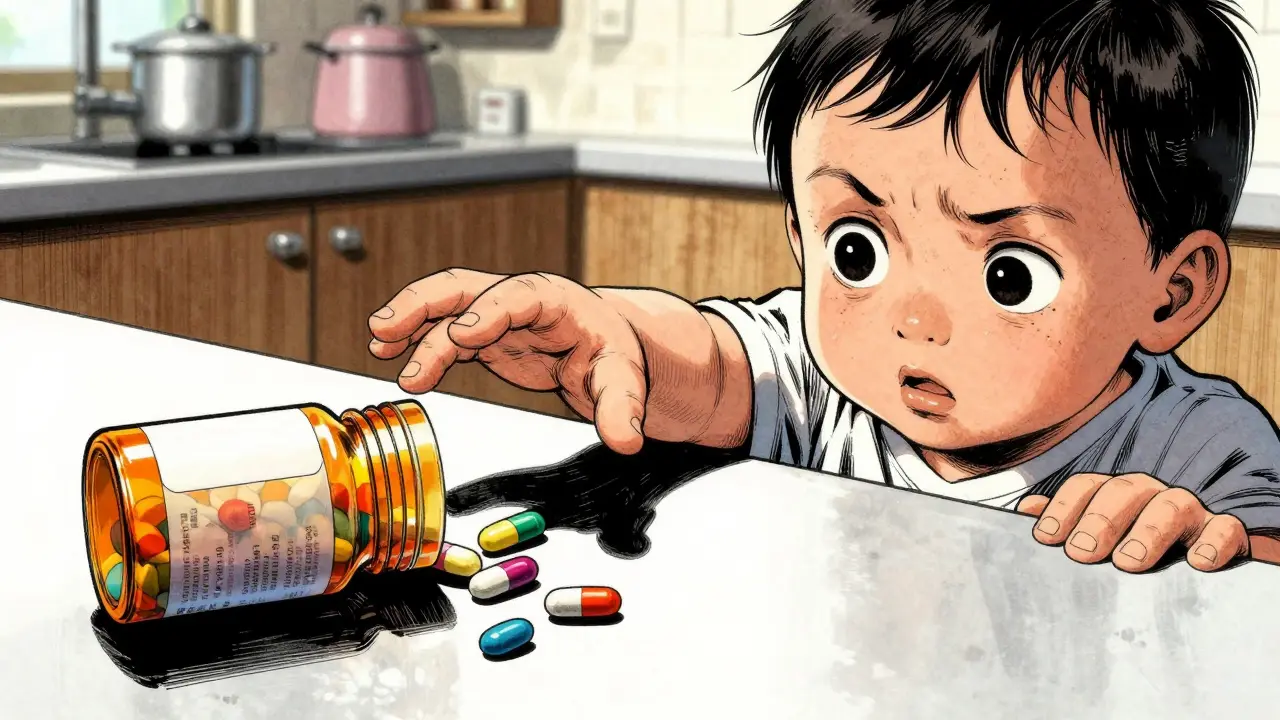
A quiet house can turn dangerous in seconds. You might be folding laundry or checking your phone when you realize a bottle is open on the counter. The fear that sets in is immediate: did my child swallow something? Did they take too much of their medicine? Pediatric medication overdose is not just about intentional harm; it is often an accident born of curiosity, confusion, or simple error. According to the American Academy of Pediatrics (AAP), these incidents represent a serious public health crisis with potentially fatal consequences. Children’s bodies process drugs differently than adults’, meaning a dose that seems minor can cause rapid, severe damage.
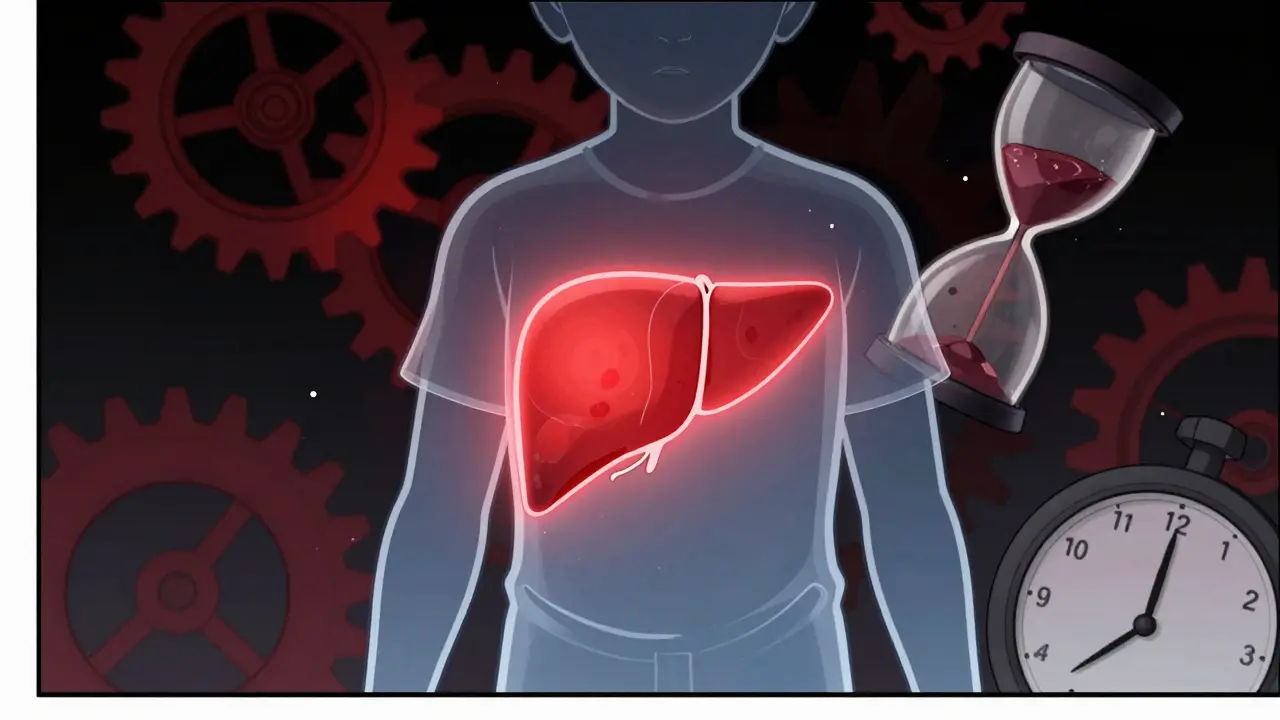
The window for effective treatment is narrow. For some medications, like acetaminophen, liver damage can progress silently for up to 24 hours before any obvious symptoms appear. By the time you see vomiting or pain, the internal clock has already started ticking toward organ failure. Knowing exactly what to look for-and knowing whether to call Poison Control or dial 911-can mean the difference between a scary night at the hospital and a life saved. This guide breaks down the specific signs of overdose by medication type and gives you a clear decision tree for action.
Understanding the Risk: Why Children Are Vulnerable
To understand why pediatric overdoses are so dangerous, you have to look at how a child’s body works. A child’s liver and kidneys are still developing. They metabolize and excrete drugs more slowly than adults. This means that even a small excess of medication can build up to toxic levels quickly. The U.S. Poison Control Centers receive approximately 2.1 million human exposure cases annually. Of those, children under six years old account for nearly half of all exposures, according to the American Association of Poison Control Centers’ 2022 Annual Report.
Most of these incidents happen in the home. In fact, CDC data from 2022 shows that 60% of childhood poisonings occur in the child’s own home. It is rarely a stranger or a malicious actor; it is usually a parent who misread a label, a sibling playing with a pill bottle, or a toddler treating a colorful capsule like candy. The National Safety Council reports that medication poisoning is the second leading cause of unintentional injury death among children ages one to four. Between 2018 and 2022, there were 1,520 pediatric fatalities from medication poisoning, a 24% increase from the previous five-year period. These numbers highlight that vigilance is not paranoia-it is necessity.
Recognizing the Signs: Symptoms by Medication Type
Not all overdoses look the same. The symptoms depend entirely on what was ingested. Recognizing the specific pattern helps you communicate effectively with medical professionals and act faster. Here are the critical signs for the most common categories of pediatric medication overdose.
Opioid overdose is a medical emergency characterized by respiratory depression. The California Department of Public Health (CDPH) identifies six critical signs:
- Pinpoint pupils: The pupils become extremely small, like tiny dots.
- Limp body: The child loses muscle tone and feels floppy.
- Unresponsiveness: They fall asleep suddenly or lose consciousness completely.
- Noisy breathing: Choking or gurgling sounds indicate airway obstruction.
- Slow or absent breathing: Breathing becomes very shallow or stops entirely.
- Cold, clammy skin: Skin turns pale, grayish, or ashen, and lips/nails may turn blue or purplish-black.
Rady Children's Hospital-San Diego adds that if a child is awake but unresponsive to external stimuli (like voice or touch), this is a major red flag. If you suspect an opioid overdose, especially if fentanyl is involved, every second counts. Dr. Lewis Nelson, professor of emergency medicine at NYU School of Medicine, emphasizes that the presence of fentanyl increases the risk of a fatal overdose significantly. If you have naloxone available, administer it immediately while waiting for emergency services.
Acetaminophen overdose is particularly insidious because early symptoms are often absent. The Cleveland Clinic notes that nausea, vomiting, abdominal pain, and breathing problems typically do not appear until 24 hours after ingestion. However, liver damage begins silently during this window.
This delay creates a false sense of security. Parents might think, "They seem fine," and wait. But inside, the liver is struggling to process the toxin. Without treatment, this can lead to acute liver failure, coagulopathy (inability of blood to clot), or death. The key here is history, not just symptoms. If you know or suspect an overdose, do not wait for vomiting to start. Time is tissue.
Overdoses on stimulants like methylphenidate or amphetamines present with over-arousal. CDPH guidelines list confusion, dizziness, rapid breathing, irritability, panic, high blood pressure, psychosis, seizures, and potentially stroke or heart attack.
The Oklahoma Bureau of Narcotics and Dangerous Drugs adds that victims may exhibit elevated temperature, irrational behavior, or loud snoring. The Better Health Channel of Victoria, Australia, documents additional symptoms including severe stomach pain, diarrhea, chest pain, loss of coordination, hallucinations, and visual disturbances. Unlike opioids, which slow the body down, stimulants push the cardiovascular system into overdrive.
The Decision Matrix: Poison Control vs. 911
In the heat of the moment, deciding whom to call can be paralyzing. Use this simple framework based on Healthgrades clinical guidelines and Alberta Health Services protocols.
| Action | Contact | Scenario |
|---|---|---|
| Call Poison Control (800-222-1222 in the US) |
Non-emergency guidance | You suspect an ingestion but the child is currently asymptomatic, breathing normally, and fully responsive. You need advice on whether to go to the ER or monitor at home. |
| Dial 911 Immediately | Life-threatening emergency | The child is unresponsive, cannot be woken up, has difficulty breathing or has stopped breathing, is having uncontrollable twitching/seizures, has severe behavioral changes, is having trouble swallowing, or has rapidly spreading rashes/facial swelling. |
Dr. Katherine O'Connor, Pediatric Medical Director at The Children's Hospital at Montefiore, states that "the window for effective treatment is narrow-especially for medications like acetaminophen where liver damage progresses silently." Even if the child looks well initially after an acetaminophen overdose, Alberta Health Services protocol dictates that medical treatment must be sought immediately. Problems can develop later despite initial appearances. Do not gamble on "wait and see" if you know the amount ingested was excessive.
Immediate Action Steps: What to Do First
If you discover a potential overdose, follow these steps precisely. Panic slows you down; procedure saves lives.
- Check responsiveness and breathing: Determine if the person is breathing and responsive to vocal stimulation. Speak loudly and shake them gently.
- Apply physical stimulation: If they are not responding to voice, apply physical stimulation by rubbing knuckles against the sternum or upper lip. This is a standard triage check used by first responders.
- Assess the scene: Look for empty bottles, wrappers, or pills. Try to estimate how much was taken and when. This information is critical for Poison Control and ER doctors.
- Call for help: If unresponsive or having trouble breathing, call 911 immediately. If stable but exposed, call Poison Control.
- Administer Naloxone if indicated: If you suspect opioids and have naloxone, give one dose. Assess after 2-3 minutes. Administer additional doses as needed while waiting for EMS. CDPH guidelines emphasize that naloxone administration should begin immediately.
- Do NOT induce vomiting: Unless instructed by a medical professional, do not make the child vomit. This can cause aspiration (breathing vomit into the lungs), which causes pneumonia and further complicates the emergency.
Prevention Strategies That Actually Work
Prevention is always better than cure, but generic advice like "be careful" isn't enough. You need specific, actionable strategies backed by data.
Use Child-Resistant Packaging Correctly: While helpful, these packages are not foolproof. AAP data shows that 20% of poisonings occur despite the use of child-resistant measures. Always close them tightly after every use, and never leave them open while preparing other tasks.
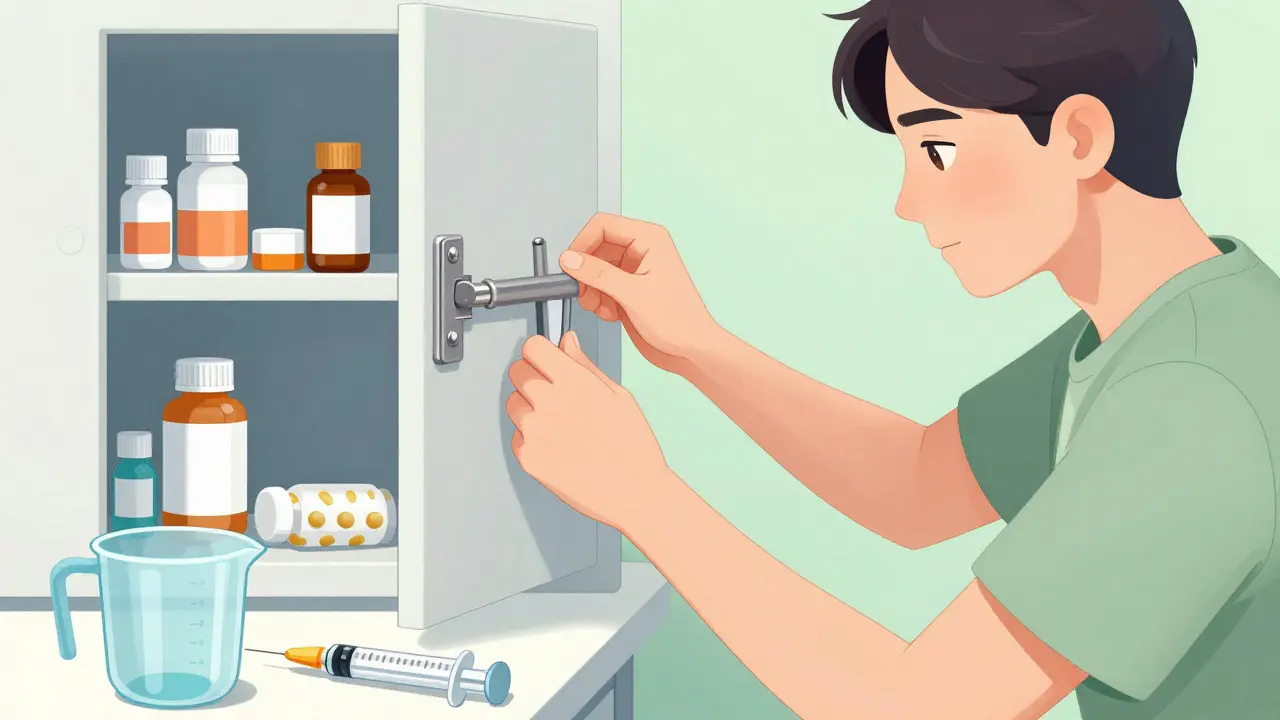
Store Medications in Locked Cabinets: Since 60% of poisonings happen in the child’s own home, accessibility is the enemy. Keep all medications, vitamins, and herbal remedies in a locked cabinet or high shelf that is physically inaccessible to children. Do not rely on "out of sight" storage if a toddler can climb or pull things down.
Never Call Medication "Candy": This is a crucial linguistic rule. Never refer to pills or liquids as candy to encourage a child to take their medicine. This normalizes the idea that colorful substances are treats. Instead, say, "This is medicine that will help you feel better."
Beware of Duplicate Ingredients: The Cleveland Clinic specifically warns that 70% of acetaminophen overdoses in children occur when caregivers mistakenly administer multiple products containing the same active ingredient. For example, giving a child Tylenol for a fever and then a multi-symptom cold medicine that also contains acetaminophen. Always read the "Drug Facts" label on the back of every box. Check for acetaminophen, ibuprofen, or antihistamines across all products you are giving.
Use Standardized Measuring Devices: FDA regulations now require unit-dose packaging for liquid acetaminophen to reduce dosing errors. The CDC estimates this has decreased unintentional acetaminophen overdoses in children by 19% since implementation. Always use the measuring device that comes with the medication, not a kitchen spoon, which varies wildly in volume.
Emerging Risks and Future Trends
The landscape of pediatric poisoning is evolving. Medical marijuana products accounted for 4,500 pediatric exposures in 2022, a staggering 1,475% increase from 2017 levels. Edibles like brownies or gummies look like regular snacks, making them highly attractive to children. The AAP’s 2023 policy statement calls for mandatory updates to the Poison Prevention Packaging Act to address these emerging risks.
Additionally, the complexity of home medication regimens is rising. A 2023 FDA Household Survey found that 68% of U.S. households maintain 10 or more medications. More pills in the house mean more opportunities for error. To combat this, Poison Control launched webPOISONCONTROL® in 2023, an online tool providing real-time guidance for non-emergency exposures. It processed over 120,000 cases in its first year. Familiarize yourself with this resource so you have quick access to expert advice without navigating phone menus during a stressful moment.
Looking ahead, the FDA has proposed a 2025 requirement for all liquid medications to include standardized measuring devices and concentration labeling. The Consumer Healthcare Products Association estimates this will prevent 45,000 annual pediatric dosing errors. Until then, the burden of safety remains largely on the caregiver. Stay informed, stay organized, and keep your emergency numbers visible.
What should I do if my child swallowed a pill but shows no symptoms?
Call Poison Control immediately at 800-222-1222 (in the US). Do not wait for symptoms to appear. Some medications, like acetaminophen, can cause severe internal damage before any outward signs show. Provide the name of the medication, the estimated amount ingested, and the time it happened. Follow their instructions precisely, which may include monitoring at home or going to the ER.
How long does it take for acetaminophen overdose symptoms to appear?
Symptoms such as nausea, vomiting, and abdominal pain typically appear 24 hours after ingestion. However, liver damage begins silently during this window. Treatment with N-acetylcysteine (NAC) is 100% effective if administered within 8 hours of overdose but declines to 40% effectiveness after 16 hours. Therefore, seeking care based on known ingestion rather than visible symptoms is critical.
What are the signs of an opioid overdose in a child?
Key signs include pinpoint pupils, a limp body, unresponsiveness, choking or gurgling sounds, slow or absent breathing, and cold, clammy skin with discolored lips or nails. If you suspect an opioid overdose, call 911 immediately and administer naloxone if available. Begin rescue breathing if trained and if the child is not breathing.
Should I make my child vomit if they ingest medication?
No, do not induce vomiting unless explicitly instructed by a medical professional or Poison Control. Inducing vomiting can lead to aspiration, where vomit enters the lungs, causing pneumonia or airway blockage. This complication can be life-threatening and worsens the situation significantly.
Why are children more susceptible to medication overdose than adults?
Children’s livers and kidneys are still developing and metabolize drugs more slowly than adults. Their smaller body mass means that a given dose results in a higher concentration of the drug in their bloodstream. This combination makes them more vulnerable to toxicity from even small excesses of medication.