

Switching from a brand-name drug to its generic version seems simple: same active ingredient, lower price, same results. But for millions of people, it’s anything but simple. Many stop taking their meds after the switch-not because the generic doesn’t work, but because they believe it doesn’t. And that belief changes behavior. It changes outcomes. It changes lives.
Why People Stop Taking Their Generic Medication
It’s not about chemistry. It’s about perception. A 2018 study showed patients given identical placebo pills-one labeled as a brand-name drug, the other as a generic-reported 18.3% more pain and were 31.6% more likely to take extra pills not prescribed to them. The pills were the same. The only difference was the label. That’s the nocebo effect in action: expecting something to fail makes it fail. In real life, this plays out in pharmacies across the country. Patients open their new bottle and see a pill that’s a different color, shape, or size. Maybe it’s smaller. Maybe it has a weird marking. They remember the brand-name pill they’ve been taking for years. They think: “This isn’t the same. It won’t work.” And they skip doses. Or stop entirely. A Drugs.com survey found 58% of people admitted to skipping doses or taking less than prescribed after switching to generics-mostly because they feared reduced effectiveness. Another 32% blamed new side effects on the generic, even when the active ingredient was identical. This isn’t just about anxiety. It’s about confusion. A University of Michigan study found 28.4% of older adults get mixed up when switching to generics because the pill looks different. For someone taking five or six medications, that’s dangerous. One pill looks like another. Doses get missed. Errors happen.When Generics Actually Cause Problems
Let’s be clear: 99% of the time, generics are just as safe and effective as brand-name drugs. The FDA requires them to match the original in active ingredient, strength, dosage form, and route of administration. They must also prove bioequivalence-meaning they get into your bloodstream at the same rate and amount as the brand. But there are exceptions. For drugs with a narrow therapeutic index-like warfarin, levothyroxine, or phenytoin-tiny changes in blood levels can matter. A 2017 NEJM study found a 0.8% higher hospitalization rate among patients switched from brand to generic versions of these drugs. Not because generics are unsafe, but because even small differences in absorption can push someone out of their therapeutic window. And then there’s the inactive ingredients. These are the fillers, dyes, and binders that hold the pill together. They don’t treat your condition, but they can cause reactions. A 2021 JAMA Dermatology study found 3.7% of patients had allergic reactions to dyes or coatings in generics that weren’t in the brand version. For someone with sensitive skin or allergies, that’s real. The biggest problem? We treat all generics the same. But they’re not. A statin switch often improves adherence because the copay drops from $120 to $10. A blood pressure pill switch? Adherence drops by 12.3%. Why? Because patients on antihypertensives are more likely to notice subtle changes in how they feel. And if they feel “off,” they assume it’s the pill.What Providers Are Doing Right (and Wrong)
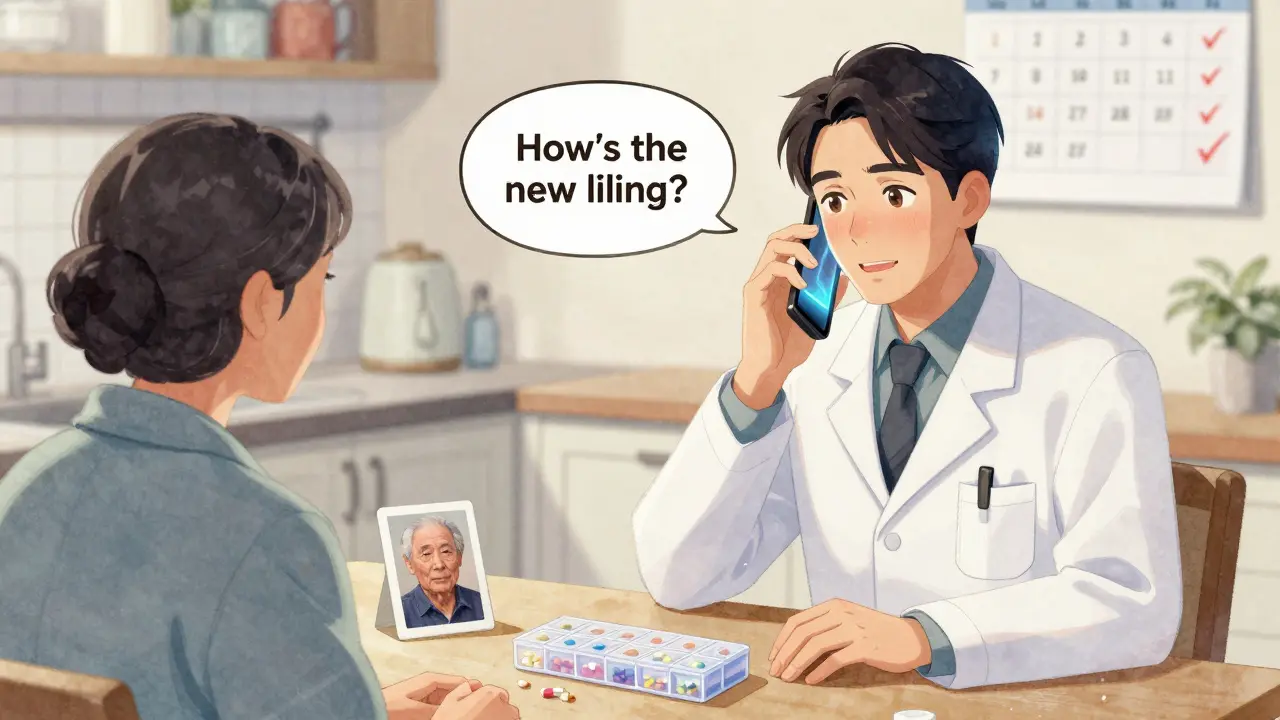
Most doctors don’t talk about the switch. A 2022 audit found only 28% of patients were told the generic was bioequivalent. Only 34% were warned the pill would look different. And just 19% were invited to ask questions. That’s not enough. The American Pharmacists Association recommends a minimum 3.7-minute conversation when switching. That’s longer than most pharmacy visits. But here’s what works:- Explain: “This generic has the same active ingredient and works the same way. The FDA requires it to be just as effective.”
- Prepare: “The pill might look different-maybe a different color or shape-but it’s not weaker.”
- Highlight savings: “You’re saving $110 a month. That’s $1,300 a year.”
- Ask: “Have you taken this kind of pill before? Do you have any concerns?”
What Patients Can Do
You don’t have to wait for your provider to start the conversation. Here’s what you can do:- Ask: “Is this generic the same as my old pill?” Don’t assume.
- Check the appearance: Take a photo of your old pill and your new one. Compare them. If you’re confused, call your pharmacy.
- Use a pill organizer: If you take multiple meds, a weekly organizer with labeled compartments reduces mix-ups.
- Stick with the same manufacturer: If your brand was made by Pfizer and the generic is too, ask if you can keep that one. Consistency in inactive ingredients helps.
- Track your symptoms: Keep a simple log. “Day 1: felt normal. Day 3: a bit more tired. Day 5: back to normal.” That helps you and your doctor tell if it’s the pill-or something else.
The Role of Technology and Policy
Technology is helping. Surescripts now flags brand-to-generic switches in e-prescriptions, prompting pharmacists to counsel. AI tools like AiCure use your phone camera to verify you’re taking your pill-boosting adherence by 37% during transitions. Policy is catching up too. Starting January 1, 2025, the FDA requires generic manufacturers to include transition-specific patient education materials with every box. That means real instructions-not just the same leaflet as the brand. And the Generic Pharmaceutical Association is launching a “Seamless Switch” certification in 2024. Drugs with this label will keep the same pill shape and color during brand-to-generic transitions-especially for high-risk medications. No more surprise pills.The Bigger Picture: Cost vs. Compliance
Generics save the U.S. healthcare system $300 billion a year. But non-adherence costs $528 billion. That’s more than the savings. When people stop taking their meds because they don’t trust the generic, they end up in the ER. They need more tests. More doctor visits. More hospital stays. The cost isn’t just financial-it’s physical, emotional, and systemic. The goal isn’t to push generics. It’s to make the transition work. For everyone. A 2023 CMS study found adherence dropped from 78% on brand-name chronic meds to 63% after switching. That’s a 15-point plunge. We can do better. The answer isn’t to stop switching. It’s to switch smarter.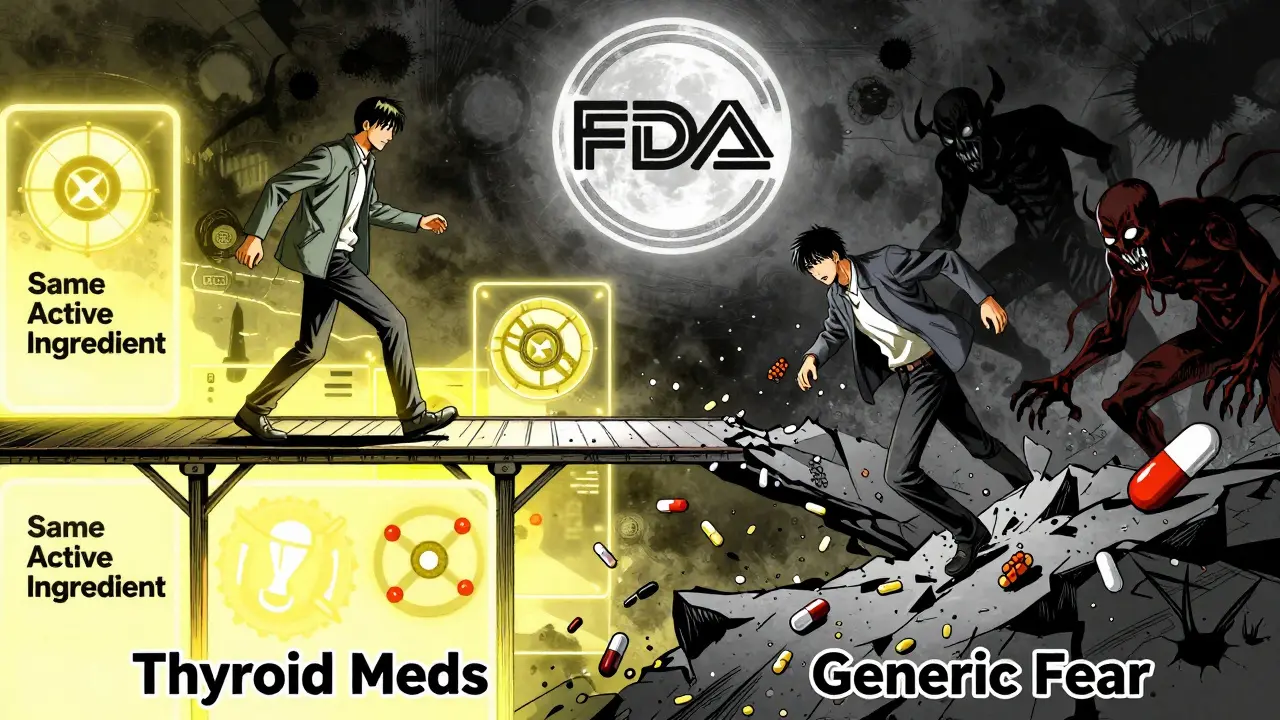
What Works Best? A Quick Guide
| Strategy | Effectiveness | Best For |
|---|---|---|
| Pharmacist follow-up call within 72 hours | 31% higher adherence | All patients, especially elderly or on multiple meds |
| Clear explanation of bioequivalence | Reduces fear by 40% | Patients with low health literacy |
| Consistent pill appearance | Reduces confusion by 28% | Thyroid, seizure, blood thinner users |
| Pill organizer + photo reference | Reduces errors by 35% | Polypharmacy patients |
| Cost savings emphasized | Increases adherence by 14% for statins | Low-income, Medicare patients |
When to Stay on Brand
There are times to stick with the brand:- You’ve been on the same brand for years and feel stable.
- You’ve had a bad reaction to a generic before-even if it was a different drug.
- You’re on a narrow therapeutic index drug and your doctor recommends staying put.
- Your insurance won’t cover the brand, but you can afford it-and you’ve seen your health improve.
Final Thought: Trust Is a Drug Too
Medication adherence isn’t just about science. It’s about trust. Trust in your doctor. Trust in your pharmacist. Trust in the system. A pill is just a pill. But what you believe about it? That changes everything. The best practice isn’t a new pill. It’s a new conversation.Are generic drugs really as effective as brand-name drugs?
Yes, for the vast majority of medications, generics are just as effective. The FDA requires them to contain the same active ingredient, in the same strength and dosage form, and to be absorbed into the bloodstream at the same rate and amount as the brand-name version. This is called bioequivalence. Studies show that 99% of generics perform identically to their brand counterparts. The differences people notice-like pill color or size-are usually in inactive ingredients, which don’t affect how the drug works.
Why do some people feel worse after switching to a generic?
Most often, it’s not because the generic is weaker-it’s because they expect it to be. This is called the nocebo effect. If you believe a cheaper pill won’t work, your brain can amplify normal side effects or even create new ones. Studies show people given placebo pills labeled as generics report more side effects than identical pills labeled as brand-name. Changes in pill appearance can also cause confusion, especially in older adults taking multiple medications, leading to missed doses or anxiety.
Which medications should I be careful switching from brand to generic?
Be cautious with drugs that have a narrow therapeutic index-where small changes in blood levels can cause problems. These include levothyroxine (for thyroid), warfarin (a blood thinner), phenytoin and carbamazepine (for seizures), and lithium (for bipolar disorder). For these, even tiny differences in absorption can matter. Talk to your doctor before switching. Some patients do better staying on the same brand or same manufacturer’s generic.
How can I tell if my generic pill is from the same manufacturer as my brand?
Check the pill imprint code-the letters or numbers on the pill. You can look it up on websites like Drugs.com or Medscape. If the imprint matches your old brand pill, it’s likely made by the same company. Some pharmacies also let you request a specific generic manufacturer. If you’re on a critical medication and want consistency, ask your pharmacist: “Can I get the same manufacturer as before?”
What should I do if I think my generic isn’t working?
Don’t stop taking it. Call your pharmacist or doctor. Keep a simple log: note when you switched, what symptoms you’re feeling, and when they started. It might be the generic-but it could also be stress, diet, sleep, or another medication. Your provider can check your blood levels (if applicable) or switch you back temporarily to see if symptoms improve. Never assume it’s the pill without checking.
Can I ask my insurance to cover the brand-name drug instead?
Yes. If your doctor believes the brand is medically necessary-for example, if you had a bad reaction to a generic or are on a narrow therapeutic index drug-they can submit a prior authorization request. Insurance often approves this if there’s documented evidence of failure with the generic. Don’t assume it’s denied-ask your doctor to help you appeal.
Is it safe to switch back and forth between brand and generic?
For most drugs, yes. But for narrow therapeutic index medications, frequent switching can cause instability in blood levels. It’s best to stick with one version-brand or generic-once you find what works. If you’re switching often because of cost or availability, talk to your pharmacist about medication synchronization programs or patient assistance options to avoid constant changes.
Lance Nickie
January 13, 2026 AT 18:50Acacia Hendrix
January 14, 2026 AT 15:50Moreover, the inert excipient heterogeneity across generic manufacturers introduces unquantified epigenetic modulators that may influence cytochrome P450 isoform expression, thereby altering metabolic clearance. This is not anecdotal-it’s pharmacovigilance data waiting to be peer-reviewed.
Milla Masliy
January 16, 2026 AT 12:28My grandma switched to generic levothyroxine and thought she was dying because the pill was round instead of oval. We took a pic of both, showed her the label, and she cried because she felt silly. Now she uses a pill box and checks the imprint online. Simple stuff, but it works.
Avneet Singh
January 18, 2026 AT 06:08And don’t get me started on the cultural pathology of American medical consumerism. You’d rather pay $120 for a placebo with a logo than trust a $10 pill with a different shade of blue. Pathetic.
Adam Vella
January 19, 2026 AT 14:30Furthermore, the aggregation of aggregate adherence metrics obscures critical subpopulations-geriatric, low-literacy, and polypharmacy patients-who are disproportionately affected by visual and tactile discontinuity in pill morphology. A one-size-fits-all approach to pharmaceutical substitution is ethically indefensible.
vishnu priyanka
January 19, 2026 AT 14:33Still, I get it. Pill looks weird? Yeah, mine’s got a weird ‘M’ on it now. But I Google the code every time. It’s chill. Just don’t panic. And hey, saving $100/month? That’s a new phone. Or a month of chai.
Diana Campos Ortiz
January 20, 2026 AT 20:22also, i take a pic of every new pill. weird, but it helps me not freak out. my pharmacist said that’s smart. i’m not a doctor but… i think trust matters more than we think.
Jesse Ibarra
January 21, 2026 AT 09:50Meanwhile, the same companies that make the brand-name drug also make the generic-same factory, same line. You’re not saving money, you’re just letting them profit twice.
Stop being sheep. If your doctor didn’t explain it, fire them. And if you’re on warfarin or thyroid meds? Fine. Stay on brand. But don’t pretend your anxiety is science. It’s not.