
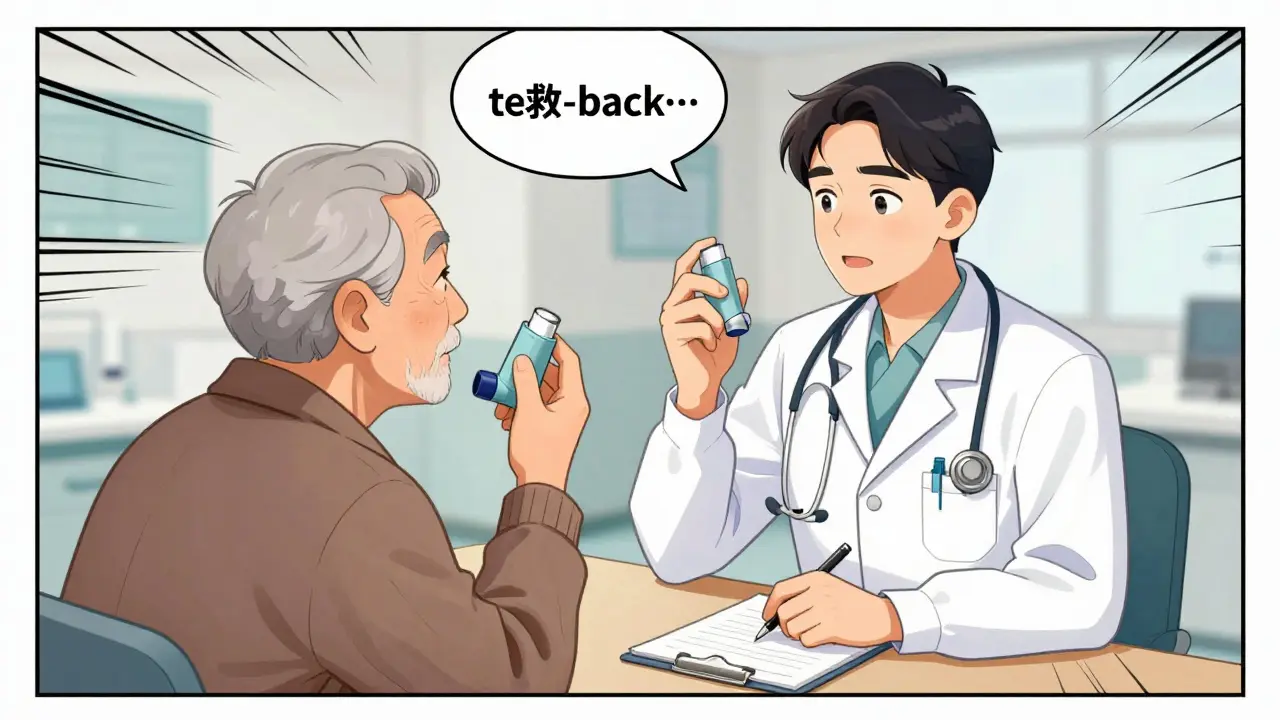
You can explain a medication regimen perfectly, see the nod of agreement, and still watch that same patient return to the ER with an adverse reaction. This disconnect is the central challenge in healthcare today. We often assume that if information was delivered, understanding occurred. But in patient education, delivery is not the same as comprehension. Measuring education effectiveness isn't just about checking boxes; it is about tracking generic understanding-the ability of a patient to apply core health concepts across different scenarios, not just repeat facts back to you.
The goal here is simple but difficult: ensure patients truly grasp how to manage their health. If we rely on traditional methods like end-of-visit quizzes or vague satisfaction surveys, we miss the reality of what patients know and do. To fix this, we need to shift from 'assessment of learning' (did they pass the test?) to 'assessment for learning' (can they use this knowledge?). This requires a mix of direct observation, continuous feedback, and clear metrics that align with real-world health outcomes.
Direct vs. Indirect Measures: Seeing What Actually Happens
When evaluating whether a patient understands their care plan, you have two main paths: direct and indirect measures. Knowing the difference is crucial because they tell you very different stories.
Direct measures provide concrete evidence of what a patient knows or can do. In a clinical setting, this might look like a 'teach-back' session where the patient explains the dosage schedule in their own words, or a simulation where they demonstrate how to inject insulin. These methods document actual behavior and skills. According to research from the National Institutes of Health (NIH), these performance-based measures are the gold standard for verifying competence because they show action, not just intent.
On the other hand, Indirect measures rely on self-reporting. Think of post-visit satisfaction surveys, focus groups, or asking a patient, 'Do you feel confident managing your blood pressure?' While useful for gauging perception, these measures only tell you what the patient *thinks* they know. A patient might feel confident (high indirect score) but still take their medication incorrectly (low direct score). Relying solely on indirect measures creates a dangerous blind spot.
| Feature | Direct Measures | Indirect Measures |
|---|---|---|
| What it captures | Actual skills, behaviors, and knowledge application | Perceptions, attitudes, and self-reported confidence |
| Examples | Teach-back method, medication reconciliation, skill demonstrations | Patient satisfaction surveys, exit interviews, confidence scales |
| Reliability | High (objective evidence) | Variable (subjective interpretation) |
| Best Use Case | Verifying critical safety tasks (e.g., inhaler use) | Gauging overall experience or emotional readiness |
The best approach? Use mostly direct assessments for critical health decisions, supported by a few indirect assessments to understand the patient’s emotional state. As noted by Faculty Focus, indirect data helps interpret direct results. If a patient fails a teach-back (direct) but reports high anxiety (indirect), you know the issue isn’t intelligence-it’s fear or stress.
Formative vs. Summative Assessments: Timing Matters
Not all assessments serve the same purpose. In education theory, we distinguish between formative and summative approaches. Applying this to patient care changes how you interact during a visit.
Summative assessments happen at the end. In a hospital context, this is the final discharge instruction check. It evaluates what the patient has learned by the time they leave. While necessary for compliance, summative assessments are too late to correct misunderstandings during the current encounter. If you find out the patient doesn’t understand their diet restrictions after they’ve gone home, the damage is already done.
Formative assessments, however, are ongoing. They provide immediate feedback during the educational process. Imagine asking a patient to write down the three most important things they heard during your consultation on a small card before leaving. Or using quick, low-stakes questions throughout the conversation: 'Just to make sure I’m clear, what will you do if your sugar drops below 70?' This technique, often called an 'exit ticket' in classrooms, gives you real-time insight into comprehension. Cornell University’s Center for Teaching Innovation highlights that these simple tools allow instructors-and clinicians-to adjust their teaching strategy on the fly. If the patient is confused, you re-explain immediately. You don’t wait until the next appointment.
This shift from end-of-line testing to continuous checking is vital. It transforms the visit from a lecture into a dialogue. It ensures that generic understanding-the ability to apply principles-is built step-by-step, not hoped-for at the finish line.
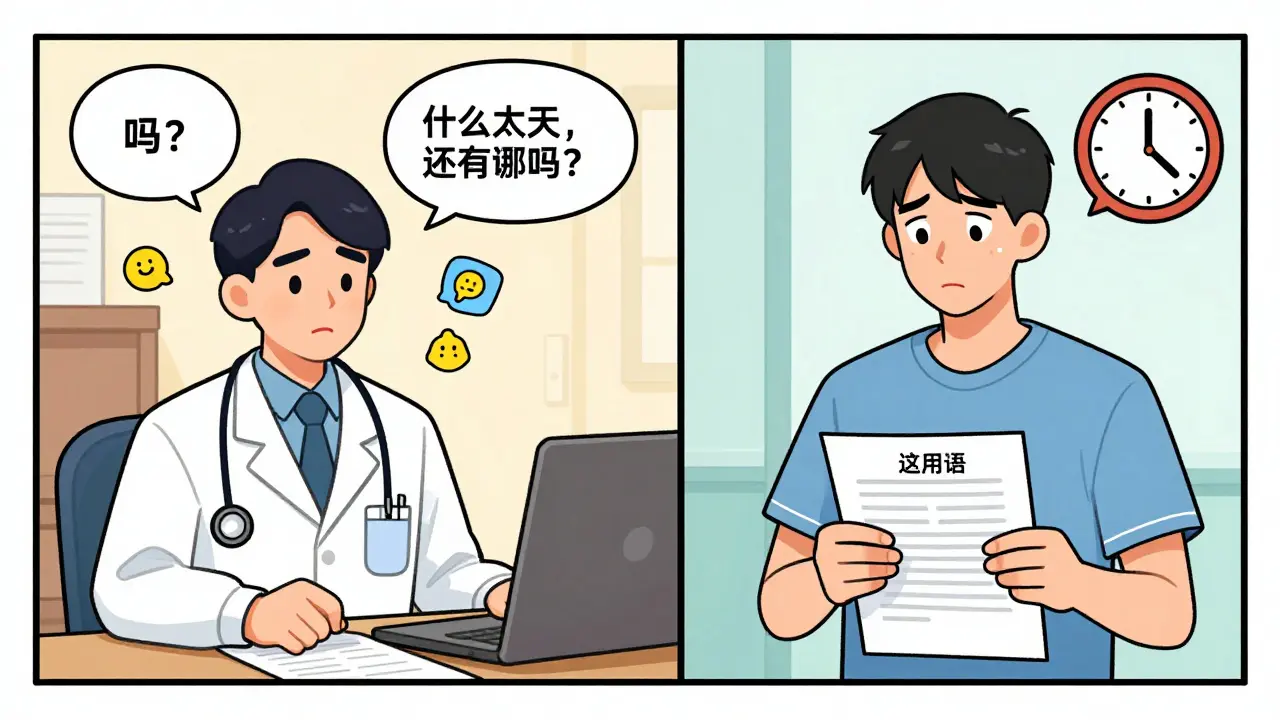
Criterion-Referenced vs. Norm-Referenced: Setting the Right Bar
How do you judge success? Do you compare the patient to other patients, or to a specific standard of care?
Norm-referenced assessments compare a student’s performance against a peer group. In patient education, this is rarely useful. Saying 'You understand diabetes better than 60% of new patients' tells the patient nothing about their own safety. It creates competition where there should be mastery.
Criterion-referenced assessments measure performance against a fixed set of standards. This is the right path for healthcare. The criterion is clear: Can the patient correctly identify the signs of hypoglycemia? Yes or no. There is no curve. Prodigy Game notes that this approach is essential for identifying specific learning gaps. If a patient fails to meet the criterion for 'proper wound care,' you know exactly what skill needs re-teaching. It isolates the problem rather than burying it in general statistics.
To implement this, every educational interaction must start with defined objectives. Before you open your mouth, ask: 'What specific action must this patient be able to perform to stay safe?' Then, design your assessment to verify that exact action. This alignment prevents vague evaluations and ensures that 'generic understanding' is tied to concrete, life-saving behaviors.
Tracking Intangibles: Values, Beliefs, and Affect
Here is where traditional metrics fail. You can teach someone everything about heart-healthy diets, but if they believe that food is comfort and that restriction leads to suffering, they won’t change their habits. Knowledge alone does not drive behavior.
The NIH study warns that performance measures often miss 'intangible variables such as affect, values, perceptions, and beliefs.' These factors significantly influence learning outcomes. A patient might understand the instructions (direct measure success) but lack the motivation or cultural framework to follow them. This is why holistic assessment strategies, advocated by UNESCO, are gaining traction. We need to assess not just academic performance, but also creativity, problem-solving, and personal barriers.
How do you track this? You can’t put it on a multiple-choice test. You need qualitative tools. Open-ended questions in follow-up calls, narrative journals, or structured conversations about barriers to care. For example, instead of asking 'Did you take your meds?', ask 'What was the hardest part about taking your meds this week?' This reveals the intangible friction points. Addressing these values and beliefs is often more effective than repeating medical facts.

Practical Implementation: A Step-by-Step Guide
Moving from theory to practice requires coordination. Here is how to build a system that tracks generic understanding effectively:
- Define Clear Learning Outcomes: Start with the end in mind. What specific behaviors indicate 'understanding'? Avoid vague goals like 'improve health.' Use measurable actions like 'demonstrate correct inhaler technique.'
- Select Mixed Methods: Combine direct measures (teach-back, demonstration) with indirect ones (confidence surveys). Don’t rely on one source.
- Implement Formative Checks: Use brief, ongoing assessments during the visit. Ask clarifying questions every few minutes. Use the 'minute paper' technique: ask patients to summarize key points before leaving.
- Align with Standards: Ensure your assessments are criterion-referenced. Compare patient performance against established clinical guidelines, not against other patients.
- Address Intangibles: Include questions about barriers, beliefs, and emotional readiness. Document these alongside clinical data.
- Review and Iterate: Analyze the data. If many patients fail the same criterion, the teaching method is flawed, not the patients. Adjust your approach accordingly.
Remember, this takes time. Shifting from traditional exam-focused assessment to holistic, multi-method approaches typically requires 3-6 months of staff development. But the payoff is reduced readmissions, better adherence, and safer patients.
The Role of Technology and Future Trends
The landscape of assessment is changing fast. The global education technology market is growing rapidly, with competency-based and formative assessment tools driving much of this expansion. By 2027, we expect AI-powered adaptive assessments to become standard in higher education and increasingly in healthcare training.
For patient education, this means personalized learning paths. Imagine an app that adapts its content based on real-time quiz results, ensuring the patient masters one concept before moving to the next. This reduces cognitive overload and targets specific gaps. Furthermore, digital platforms can facilitate continuous feedback mechanisms, providing patients with regular progress updates. Leading institutions are already adopting these systems, with over 70% implementing continuous feedback loops in recent years.
However, technology is a tool, not a solution. It must support, not replace, human interaction. The most effective systems combine digital tracking with empathetic, face-to-face validation. As we move forward, the focus remains on capturing transferable skills-generic understanding-that empower patients to manage their health independently, regardless of the specific condition.
What is the difference between direct and indirect measures in patient education?
Direct measures provide objective evidence of a patient's skills or knowledge, such as through teach-back methods or skill demonstrations. Indirect measures rely on self-reporting, like satisfaction surveys or confidence ratings, which reflect perception rather than actual ability. Direct measures are generally more reliable for verifying critical health competencies.
Why are formative assessments better than summative ones for patient care?
Formative assessments occur during the learning process, allowing clinicians to identify and correct misunderstandings in real-time. Summative assessments happen at the end, offering no opportunity to adjust teaching before the patient leaves. Formative checks ensure immediate clarity and safety.
How can I assess a patient's 'generic understanding'?
Generic understanding refers to the ability to apply core health concepts across different situations. Assess this by asking patients to explain how they would handle hypothetical scenarios (e.g., 'What would you do if you missed a dose?') rather than just recalling facts. Use criterion-referenced questions that align with specific clinical standards.
What role do intangible factors like beliefs play in education effectiveness?
Beliefs, values, and emotions significantly impact whether a patient follows medical advice. Even with perfect knowledge, a patient may not adhere to a plan due to cultural beliefs or fear. Effective assessment includes qualitative questions about barriers and motivations to address these intangible variables.
Is norm-referenced assessment useful in healthcare?
No, norm-referenced assessments compare patients to peers, which is irrelevant for individual health outcomes. Criterion-referenced assessments are superior because they measure performance against fixed safety and efficacy standards, ensuring each patient meets the necessary level of understanding regardless of others.