
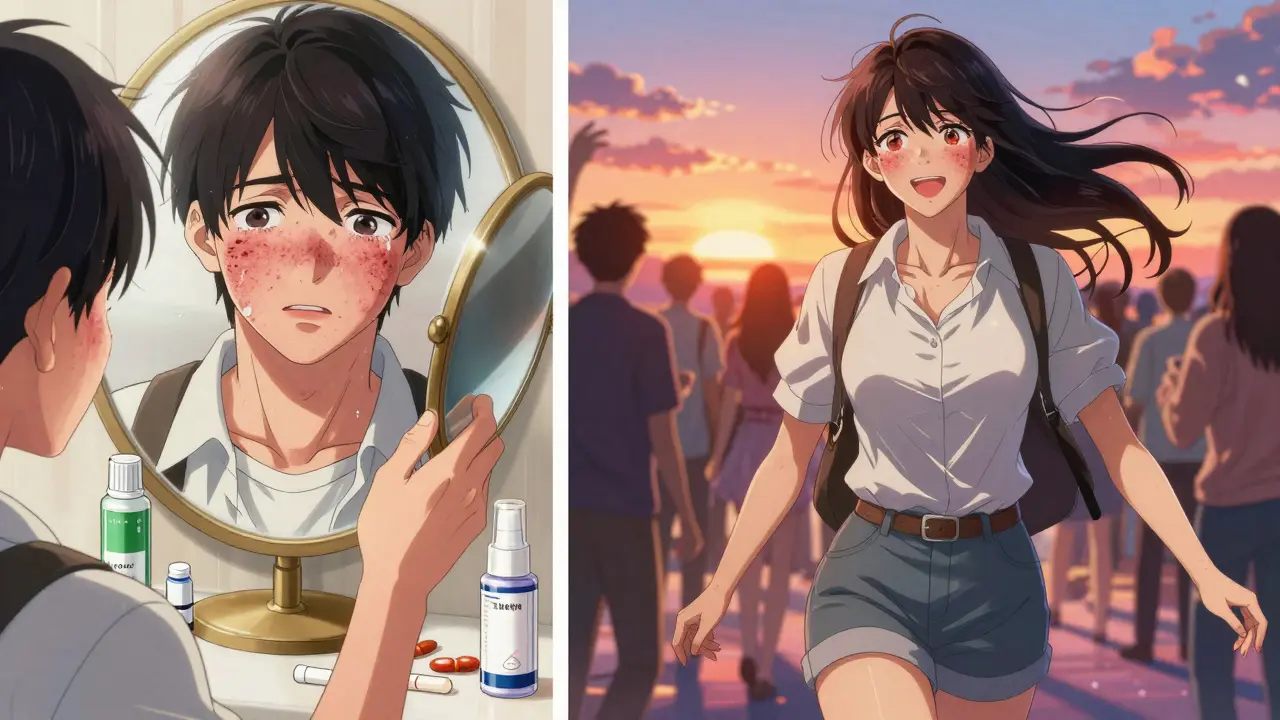
Severe acne doesn’t just leave scars on the skin-it can crush confidence, ruin social life, and make everyday moments feel unbearable. If you’ve tried antibiotics, topical creams, and hormonal treatments with little to no success, you’ve probably heard about isotretinoin. It’s not a quick fix. It’s not gentle. But for many people with cystic or nodular acne that won’t quit, it’s the only thing that actually works.
What Isotretinoin Actually Does
Isotretinoin is a powerful oral medication derived from vitamin A. It’s not like other acne drugs. Most treatments target one thing: bacteria or oil. Isotretinoin attacks acne from all sides. It shrinks oil glands by up to 90%, stops dead skin cells from clogging pores, reduces inflammation, and starves the acne-causing bacteria by removing their oily home. The result? For about 80% of people who finish a full course, acne stays gone for years-or forever.It’s not brand new. Isotretinoin was approved by the FDA in 1982 under the name Accutane. The original brand was pulled off the market in 2009 due to lawsuits, but the drug itself never disappeared. Today, generic versions from companies like Amneal, Mylan, and Teva are widely available. You’ll find it in 10 mg, 20 mg, and 40 mg capsules. A typical 30-day supply costs between $150 and $400, depending on your dose and pharmacy.
How It Works: Dosing and Duration
There’s no one-size-fits-all dose. Doctors usually start with 0.5 to 1.0 mg per kilogram of body weight per day. That means a 70 kg (154 lb) person might take 35 to 70 mg daily. Treatment typically lasts 5 to 8 months, aiming for a total cumulative dose of 120 to 150 mg per kilogram. This total matters-it’s linked to how likely acne is to come back.But newer research is changing how we think about dosing. A 2023 review of 32 studies found that a low-dose schedule-just 20 mg per day for three months-worked for 90% of people with moderate to severe acne, with only 4% seeing acne return within six months. Another approach: 0.5 mg/kg/day, but only taken one week every four weeks for six months. That also gave an 88% success rate. These low-dose regimens mean fewer side effects while still delivering results.
Why does this matter? Because isotretinoin isn’t just about clearing skin. It’s about doing it safely. Lower doses reduce the risk of dry skin, joint pain, and liver stress. For many, it’s a better trade-off.
Lab Tests: What Your Doctor Checks and Why
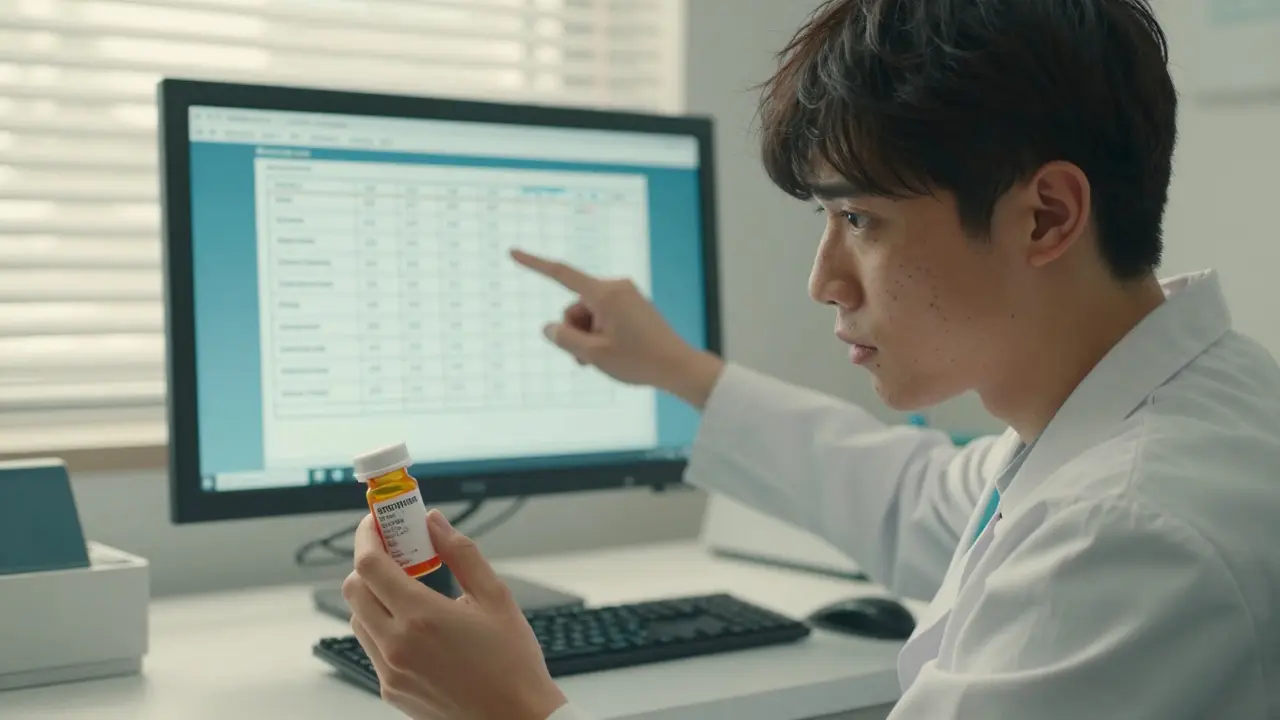
You won’t get a prescription without blood work. Isotretinoin affects your liver, cholesterol, and blood cells. Before you start, your doctor will order:- Complete Blood Count (CBC)
- Liver enzymes (ALT, AST)
- Lipid panel (total cholesterol, triglycerides, HDL, LDL)
These tests aren’t just bureaucracy-they’re your safety net. About 15-20% of people see their triglycerides rise during treatment. If they climb too high, your doctor might pause the medication or lower your dose. Liver enzymes can also spike. It’s rare for this to cause real damage, but catching it early prevents problems.
Follow-up labs are done every 4 to 8 weeks. If your numbers stay stable, you keep going. If they trend up, your doctor adjusts. This isn’t optional. Skipping labs increases risk. And in the U.S., you’re legally required to do them as part of the iPLEDGE program.
The iPLEDGE Program: What You Need to Know
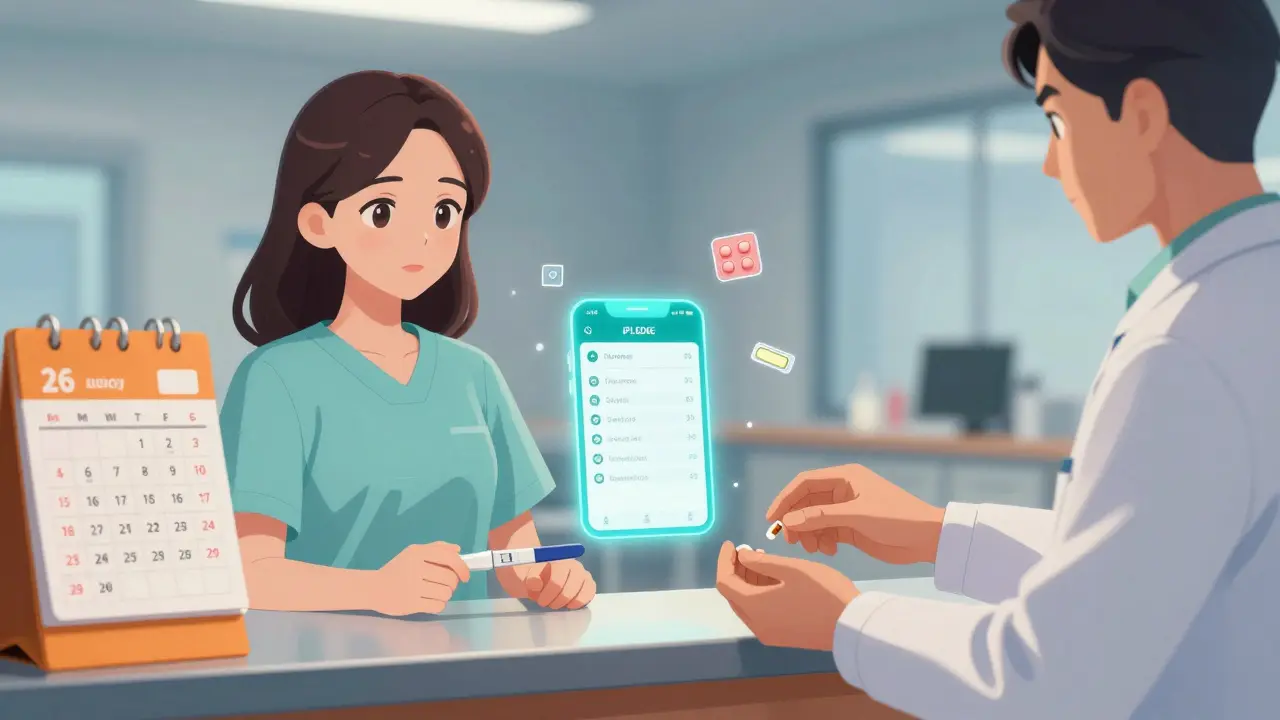
If you’re a woman who can get pregnant, you’ll be enrolled in iPLEDGE. It’s a federal system designed to prevent birth defects. Isotretinoin is one of the most dangerous drugs for a developing fetus-it can cause severe brain, heart, and facial deformities.Here’s how it works:
- Two negative pregnancy tests before you start
- Monthly pregnancy tests during treatment
- Two forms of birth control (like the pill and condoms) while on isotretinoin and for one month after
- Registration on the iPLEDGE website and monthly check-ins
It’s frustrating. Many women say the system feels invasive and bureaucratic. But it’s the only thing keeping this drug available. In Europe and other countries, similar pregnancy prevention programs exist. There’s no way around it if you’re at risk.
Side Effects: What to Expect
Isotretinoin isn’t easy on the body. Almost everyone deals with side effects. The most common?- Dry lips (90% of users)
- Dry skin and eyes (25-30%)
- Nosebleeds (15-20%)
- Muscle or joint aches
- Increased sun sensitivity
For dry lips, use petroleum jelly (Vaseline) or thick ointments-5 to 10 times a day. Don’t use lip balms with menthol or camphor-they’ll burn. For dry eyes, artificial tears help. Moisturize daily with fragrance-free lotions. Skip harsh soaps and alcohol-based toners.
Some people get an initial flare-up of acne in the first 1-2 months. It’s not the drug failing-it’s the skin purging. It usually clears up by week 6. If it gets worse or painful, call your doctor.
More serious side effects are rare but real:
- Elevated triglycerides (can lead to pancreatitis)
- Depression (0.1% risk-controversial, but monitored closely)
- Inflammatory bowel disease (0.02% risk)
- Pseudotumor cerebri (headache + vomiting-sign of increased brain pressure)
If you get severe headaches, vision changes, chest pain, or yellowing skin, stop the medication and get help immediately.
Results: Is It Worth It?
The numbers speak for themselves. After a full course, 80% of patients stay clear for years. For many, it’s permanent. Northwest Dermatology Group reports success rates near 90% in severe cases. That’s higher than antibiotics (50-60%), topical retinoids (30-40%), or hormonal treatments (60-70%).People on Reddit and in clinical studies describe it as life-changing. One user wrote: “90% clear after 5 months at 40mg. Dry lips were rough, but worth it.” Another said: “I stopped going out because of my face. After isotretinoin, I went to a party for the first time in 3 years.”
But it’s not perfect. Some people have to stop early because of joint pain or liver issues. Others see acne return after 1-2 years, especially if they didn’t reach the full cumulative dose. That’s why sticking to the full course matters.
Who Shouldn’t Take It
Isotretinoin isn’t for everyone. Avoid it if:- You’re pregnant or planning to be
- You have severe liver disease
- You’re allergic to vitamin A derivatives
- You have uncontrolled high cholesterol or triglycerides
- You have inflammatory bowel disease (Crohn’s or ulcerative colitis)
It’s also not for mild acne. If you have just blackheads or occasional pimples, topical treatments or antibiotics are safer and just as effective. Isotretinoin is for the worst cases-the kind that won’t respond to anything else.
What Comes After
Once you finish, your skin won’t magically stay perfect forever. Some people need occasional spot treatments or a low-dose retinoid cream to keep things clear. A few will need a second course, usually years later. But most won’t.Don’t expect miracles overnight. It takes months. You’ll need patience, discipline, and regular check-ins with your dermatologist. But if you stick with it, the payoff is real: clear skin, less anxiety, and a life that doesn’t revolve around hiding your face.
Final Thoughts
Isotretinoin isn’t a miracle drug. It’s a powerful tool with serious risks. But for severe acne that’s destroyed confidence and quality of life, it’s the best option we have. The side effects are manageable. The lab monitoring keeps you safe. And the results? For most, they last.If you’ve tried everything else and your acne still won’t quit, talk to a dermatologist. Don’t wait. Don’t assume it’s too risky. With proper care, isotretinoin can give you back more than clear skin-it can give you back your life.
How long does it take for isotretinoin to work?
Most people start seeing improvement after 4 to 8 weeks. The biggest changes usually happen between months 3 and 6. Full results typically appear by month 6 to 8. It’s not fast, but the results are long-lasting.
Can isotretinoin cause depression?
There’s no proven direct link between isotretinoin and depression, but the FDA requires monitoring because some patients report mood changes. If you feel unusually sad, anxious, or have thoughts of self-harm, tell your doctor immediately. It’s rare-about 0.1% of users-but it’s taken seriously.
Do I need to avoid alcohol while on isotretinoin?
You don’t have to quit alcohol completely, but it’s not recommended. Both isotretinoin and alcohol are processed by the liver. Drinking can increase the risk of liver stress or elevated triglycerides. If you drink, keep it minimal and talk to your doctor.
Can I get laser treatments or waxing while on isotretinoin?
Avoid laser treatments, chemical peels, and waxing during treatment and for at least 6 months after. Isotretinoin makes skin more fragile and slows healing. These procedures can cause scarring or permanent damage. Stick to gentle skincare until your doctor says it’s safe.
What if my acne comes back after treatment?
About 10-20% of people see some acne return, usually mild. If it happens, your dermatologist might recommend a low-dose retinoid cream, occasional antibiotics, or a second course of isotretinoin. The second course is usually shorter and at a lower dose. Most people who need a repeat treatment respond well.
Kathy Scaman
January 29, 2026 AT 08:11Just finished my 7th month on 20mg daily. Lips are still cracked but my skin? Pure. No more hiding in hoodies. Worth every dry lip and monthly blood draw.
Also, yes, I cried when I saw my reflection without a single cyst. Weirdly emotional.
Katie Mccreary
January 29, 2026 AT 16:32Ugh the iPLEDGE portal. I had to upload my pregnancy test receipt three times because the site said ‘file corrupted.’ Like I’m some criminal trying to sneak a baby out.
Lance Long
January 29, 2026 AT 23:01For anyone scared of side effects: I started at 10mg/day and worked up. Dry skin? Coconut oil and a humidifier. Nosebleeds? Vaseline inside the nostrils. It’s not magic, it’s maintenance.
And yes, I had a flare-up at week 5. Looked like a horror movie. But by week 10? Clearer than I’ve been since middle school.
You got this.
Anna Lou Chen
January 29, 2026 AT 23:37Isotretinoin is less a pharmaceutical intervention and more a neoliberal biopolitical apparatus that pathologizes adolescent skin as deviant labor. The body becomes a site of regulatory compliance - iPLEDGE, lipid panels, monthly blood draws - all mechanisms of carceral dermatology.
Meanwhile, the real issue? Capitalist beauty standards that equate clear skin with moral worth. But hey, at least your triglycerides are under control, right?
SRI GUNTORO
January 31, 2026 AT 21:34Why do people think it’s okay to take a drug that can destroy your liver just to look ‘better’? You’re not a model. You’re a human being. Maybe focus on self-acceptance instead of chemical perfection.
And don’t even get me started on the alcohol thing - if you can’t give up beer for 8 months, maybe your priorities are messed up.
Phil Davis
February 1, 2026 AT 03:42Wow. A whole essay on isotretinoin and not one mention of how it ruined my sense of taste for 6 months. Like, I used to love pizza. Now it tastes like cardboard and regret.
Also, the dry eyes? I had to carry artificial tears like a sad robot.
Still worth it. But yeah. Taste is gone. Forever.
Mindee Coulter
February 2, 2026 AT 22:19Low dose 20mg for 3 months worked for me. No crazy side effects. Just dry lips and a weirdly calm mind. My acne didn’t come back. I didn’t need to be on iPLEDGE because I’m not a woman who can get pregnant but I still had to do all the blood tests.
It’s a lot. But it’s worth it.
fiona vaz
February 3, 2026 AT 09:39My dermatologist said I needed 150mg/kg total. I hit 148. I was so close. Came back 8 months later with mild breakouts. Got a second course at 0.3mg/kg. 3 months. Done. No labs this time. Just a quick check.
Now I use adapalene once a week. Keeps it clean.
Don’t give up if it comes back. You’re not failing. Your skin just needs a little reminder.
Sue Latham
February 4, 2026 AT 16:21Ugh I’m so tired of people acting like isotretinoin is some kind of miracle. You know what else clears acne? Not touching your face. Washing your pillowcase. Not eating sugar. But nooo, let’s just blast our insides with vitamin A because it’s easier than changing your life.
Also, if you’re on it and you drink, you’re basically asking for liver failure. Just sayin’.
Bryan Fracchia
February 5, 2026 AT 18:07For the person who said ‘just accept your skin’ - I get it. I really do.
But when you’re 22 and you’ve been told you look ‘angry’ because of your face, and you’ve been passed over for jobs because people assume you’re ‘unhygienic’ - sometimes you just need to feel like you can walk into a room without your whole identity being your acne.
It’s not vanity. It’s survival.
And if isotretinoin gives you that? That’s not a flaw. That’s a gift.
Timothy Davis
February 6, 2026 AT 17:12Just checked the 2023 meta-analysis you cited. You missed that 3 of the 32 studies had no control group. Also, your ‘low dose’ group had a 12% dropout rate due to side effects. And you didn’t mention that triglyceride spikes were 3x higher than in the standard dose group. This isn’t safer. It’s just less monitored.
Also, why are you using Reddit anecdotes as clinical evidence? Please.