
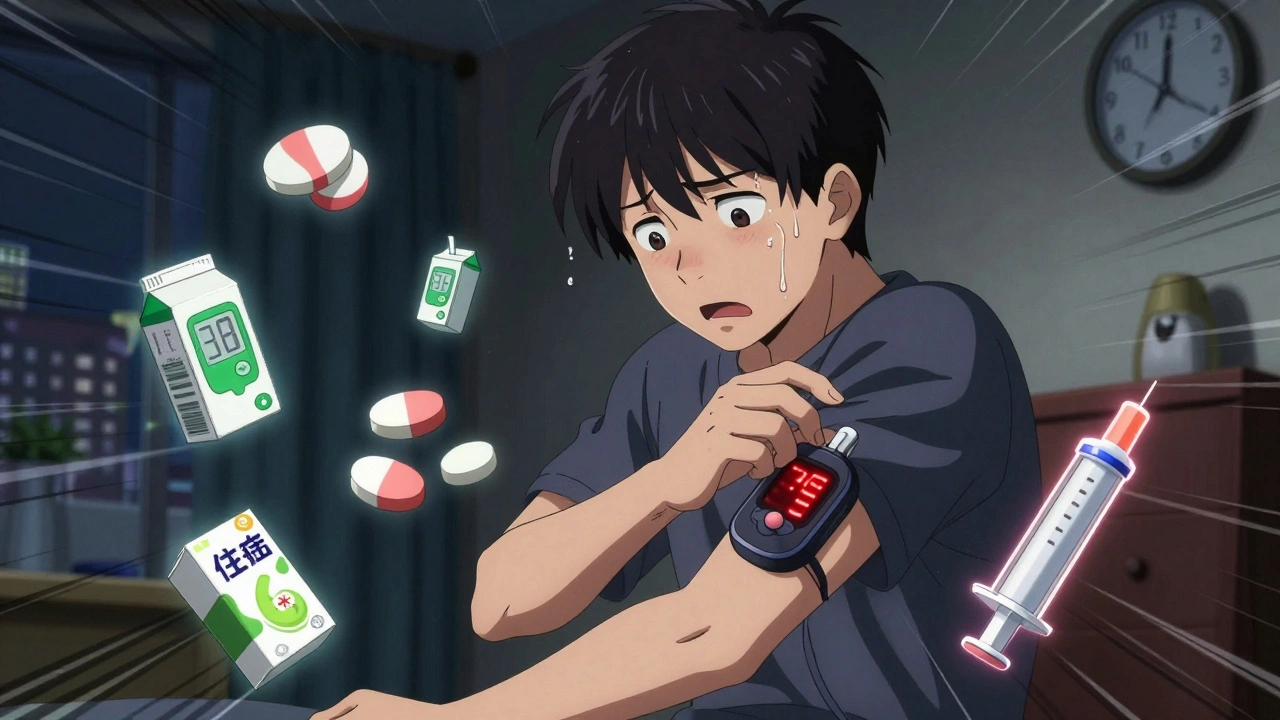
When your blood sugar drops too low, your body doesn’t just feel off-it can go into survival mode. You might start shaking, sweating, or feeling dizzy. In severe cases, you could pass out, have a seizure, or even face life-threatening complications. This isn’t just a scare story. hypoglycemia is the most common acute complication of diabetes treatment, affecting nearly half of people with Type 1 diabetes and over a third of those on insulin for Type 2. And it’s not just about diabetes-non-diabetic hypoglycemia happens too, often mistaken for drunkenness or a stroke.
What Counts as Low Blood Sugar?
The medical definition of hypoglycemia is simple: blood glucose below 70 mg/dL (3.9 mmol/L). That’s the threshold used by the American Diabetes Association and most U.S. clinics. But here’s the catch-some people feel symptoms at 80 mg/dL, while others don’t notice anything until it hits 50 mg/dL. That’s because your body adapts. If you’ve had diabetes for years, your brain may stop sending warning signals. This is called hypoglycemia unawareness, and it affects about 1 in 4 long-term Type 1 patients.
For people without diabetes, low blood sugar is defined as below 55 mg/dL (3.1 mmol/L). But even then, symptoms can show up earlier. The key isn’t just the number-it’s how you feel. If you’re dizzy, confused, or trembling, check your blood sugar. Don’t wait for a meter to confirm it.
How Do You Know It’s Happening?
Hypoglycemia symptoms fall into two categories: physical and mental.
Physical signs come from your body releasing adrenaline to fight the low sugar. These include:
- Shaking or trembling (hands may vibrate at 8-12 times per second)
- Sweating (even if it’s cold outside)
- Fast heartbeat (over 100 bpm)
- Hunger that comes out of nowhere
- Numbness or tingling in lips or fingers
Mental symptoms happen when your brain doesn’t get enough glucose. These are more dangerous because you might not realize you’re in trouble:
- Blurred vision
- Confusion or trouble speaking
- Feeling anxious or irritable
- Difficulty concentrating
- Seizures or loss of consciousness (below 45 mg/dL)
Some people report nightmares or night sweats-signs of nighttime hypoglycemia. Others wake up with headaches or feel exhausted even after sleeping. This is called "hypnoxia"-a term used by researchers to describe hypoglycemia-induced sleep disruption.
What Causes Low Blood Sugar?
In people with diabetes, the main causes are straightforward:
- Too much insulin or diabetes medication (73% of cases)
- Not eating enough carbs after taking medication (19%)
- Exercise without adjusting food or insulin (9%)
Let’s say you take 10 units of insulin before breakfast and skip your toast. Or you go for a 45-minute run and don’t eat a snack. Your blood sugar can crash fast. Even a small change in routine-like sleeping later or drinking alcohol-can trigger it.
Non-diabetic hypoglycemia is rarer but more complex. There are two types:
- Reactive hypoglycemia: Happens 2-4 hours after eating, often after gastric bypass surgery. Your body releases too much insulin after a meal, causing a sugar drop.
- Fasting hypoglycemia: Occurs when you haven’t eaten for hours. Could be due to an insulin-producing tumor (insulinoma), liver disease, or hormone problems.
It’s important to get checked if you’re not diabetic but keep having low blood sugar episodes. It could signal something serious.

How to Treat It Fast
If your blood sugar is below 70 mg/dL and you’re conscious, follow the 15-15 rule:
- Take 15 grams of fast-acting carbohydrates.
- Wait 15 minutes.
- Check your blood sugar again.
What counts as 15 grams? Here are real examples:
- 4 glucose tablets
- 1/2 cup (4 oz) of fruit juice
- 1 tablespoon of honey or sugar
- 6-8 hard candies
- 1 tube of glucose gel
Don’t use chocolate or whole foods like bread or peanut butter-they take too long to absorb. You need sugar that hits your bloodstream fast.
After your sugar comes back up, eat a small snack with protein or complex carbs (like a piece of toast with peanut butter) to keep it stable.
If someone is unconscious, having a seizure, or can’t swallow-do not give them food or drink. Call 911. If you have a glucagon kit, give it immediately. Glucagon is a hormone that tells the liver to release stored sugar. A 1 mg intramuscular shot works in under 15 minutes for 85% of people. Nasal glucagon (like Zegalogue) is just as effective and easier to use-no needle needed.
Preventing Hypoglycemia Before It Starts
Prevention isn’t about being perfect-it’s about being prepared.
1. Know your triggers. Keep a log of when low blood sugar happens. Was it after exercise? After skipping lunch? After drinking alcohol? Patterns matter.
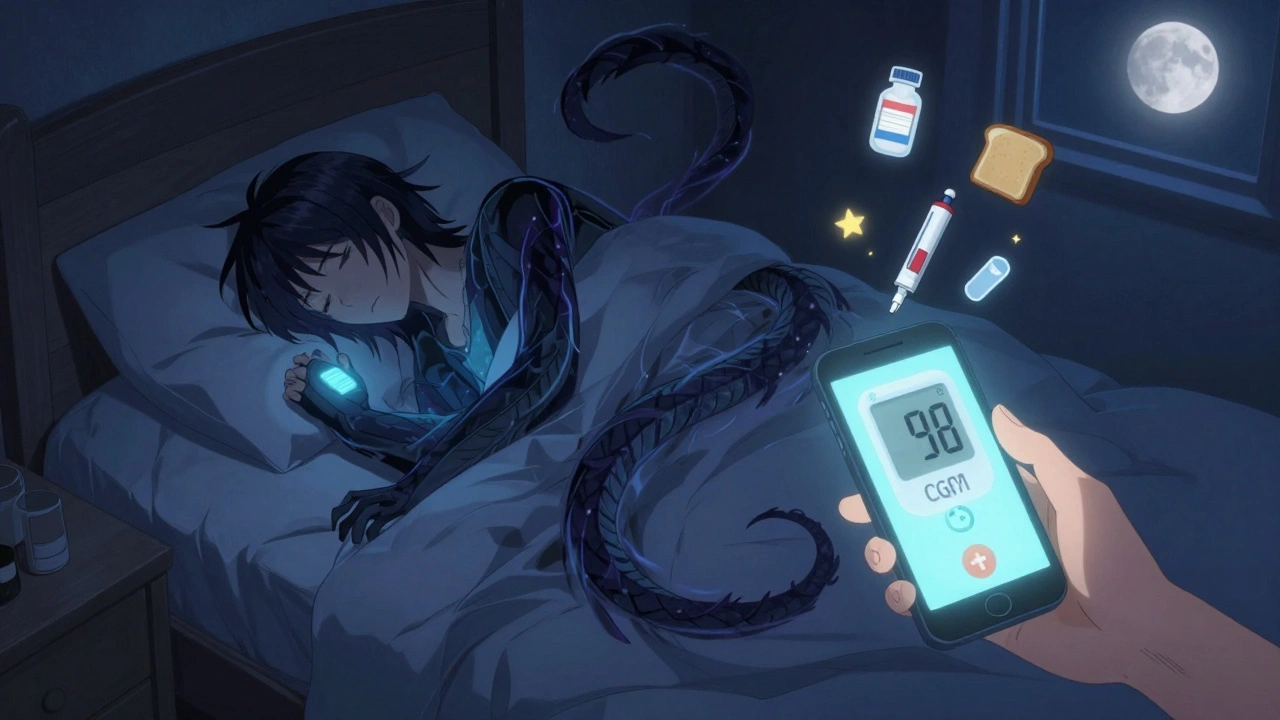
2. Use technology. Continuous glucose monitors (CGMs) are game-changers. They track sugar levels every 5 minutes and alert you when it’s dropping. Systems like the Guardian 4 or Tandem Control-IQ can even pause insulin delivery before a crash. Studies show CGMs reduce nighttime lows by 44%.
3. Adjust for activity. If you’re going to exercise for more than 45 minutes, reduce your insulin dose by 20-50% or eat extra carbs. Even walking for 30 minutes can lower your sugar. Plan ahead.
4. Never skip meals. If you’re on insulin or certain pills, eating on time is non-negotiable. Keep snacks handy-granola bars, fruit, or even a juice box in your bag or car.
5. Educate the people around you. Over half of people with hypoglycemia have been mistaken for being drunk. Tell coworkers, friends, or family what to do if you pass out. Show them how to use a glucagon kit. Practice with them.
What to Do If You’re Still Having Frequent Episodes
If you’re having more than one low blood sugar episode a week, talk to your doctor. You might need to:
- Change your insulin type or timing
- Adjust your carb-to-insulin ratio
- Switch to a different diabetes medication with lower hypoglycemia risk
- Get a CGM if you don’t have one
For older adults, low blood sugar can look like dementia-confusion, falls, memory loss. If you or a loved one over 65 keeps having these symptoms, check blood sugar before assuming it’s aging.
And if you’ve had hypoglycemia unawareness for years, your doctor might recommend a temporary raise in your blood sugar target. Letting your sugar run a little higher for a few weeks can help your body relearn to sense low levels again.
The Hidden Costs of Ignoring It
Hypoglycemia isn’t just uncomfortable-it’s expensive and dangerous. In the U.S., emergency visits for low blood sugar cost $13.6 billion a year. Each severe episode can cost over $1,800 in hospital bills.
Worse, each episode increases long-term risks:
- People over 65 who have one severe low have a 2.1% higher risk of dying within the next year.
- Each episode raises dementia risk by 4.7%.
- Nighttime lows are linked to "dead-in-bed" syndrome-sudden, unexplained death in young Type 1 diabetics.
And then there’s the emotional toll. People report chronic sleep loss, anxiety about driving, and fear of being alone. One user on Reddit said they had hypoglycemia every three nights despite using a CGM. That’s not normal. That’s a sign your treatment plan needs a reset.
What’s New in Treatment
There’s real progress happening. In 2023, the FDA approved Dasiglucagon (Zegalogue), a nasal glucagon that works in 94% of cases within 15 minutes-faster and more reliable than older injectable versions.
Artificial pancreas systems like Tandem Control-IQ now automatically adjust insulin based on real-time glucose data, cutting time spent below 54 mg/dL by over 3 hours per week.
Researchers are working on glucose-responsive insulin-insulin that turns itself off when sugar drops too low. Phase 2 trials show it reduces hypoglycemia by 62% compared to regular insulin.
But the biggest breakthrough isn’t a drug-it’s awareness. More people are learning to recognize symptoms. More schools and workplaces are training staff to use glucagon. More families are keeping emergency kits in the car.
Can you have low blood sugar without having diabetes?
Yes. Non-diabetic hypoglycemia is rare but possible. It usually falls into two types: reactive (after eating) or fasting (during long gaps without food). Causes include insulin-producing tumors, liver disease, hormonal disorders, or gastric bypass surgery. If you’re not diabetic and keep having low blood sugar, see a doctor for testing.
What’s the fastest way to raise blood sugar?
The fastest way is 15 grams of pure glucose. That means glucose tablets, gel, juice, or honey. Avoid chocolate, candy bars, or meals-they contain fat and protein that slow sugar absorption. You need something that hits your bloodstream in 5-10 minutes.
Can you die from low blood sugar?
Yes. Severe hypoglycemia can lead to seizures, coma, or sudden death-especially at night. This is known as "dead-in-bed" syndrome and accounts for about 6% of unexpected deaths in people with Type 1 diabetes under age 40. That’s why having glucagon on hand and educating others is life-saving.
Why do I feel low even when my sugar is normal?
Your body can get used to higher blood sugar levels. If your average is 150 mg/dL, then dropping to 80 might feel like a crash-even though it’s still in the normal range. This is called "relative hypoglycemia." It usually fades after a few weeks of maintaining lower, healthier glucose levels.
Should I carry glucagon with me?
If you use insulin or have had a severe low before, yes. Glucagon is not just for emergencies-it’s your backup plan. Keep it with your insulin, in your car, at work, and give one to a trusted friend or family member. Nasal glucagon is easier to use than injections and doesn’t require refrigeration.
How often should I check my blood sugar?
Check before meals, before bed, before driving, and after exercise. If you’re on insulin or have a history of lows, check more often. If you use a CGM, pay attention to trends-not just numbers. A rapid drop, even if still above 70, can trigger symptoms.
Final Thoughts
Hypoglycemia isn’t a sign of failure-it’s a signal. Your body is telling you something’s off. The goal isn’t to avoid every low-it’s to prevent the dangerous ones. With the right tools, knowledge, and support, most people can live with diabetes without being held back by fear of low blood sugar. Stay informed. Stay prepared. And never ignore the signs.
Gene Linetsky
December 3, 2025 AT 06:24Ignacio Pacheco
December 4, 2025 AT 02:41Makenzie Keely
December 4, 2025 AT 09:37Archie singh
December 5, 2025 AT 11:43Chloe Madison
December 5, 2025 AT 18:07Katherine Gianelli
December 6, 2025 AT 19:18Joykrishna Banerjee
December 7, 2025 AT 00:16James Kerr
December 7, 2025 AT 15:55Jim Schultz
December 8, 2025 AT 12:41Francine Phillips
December 10, 2025 AT 02:12Vincent Soldja
December 11, 2025 AT 14:00Kidar Saleh
December 12, 2025 AT 16:31shalini vaishnav
December 12, 2025 AT 18:43