
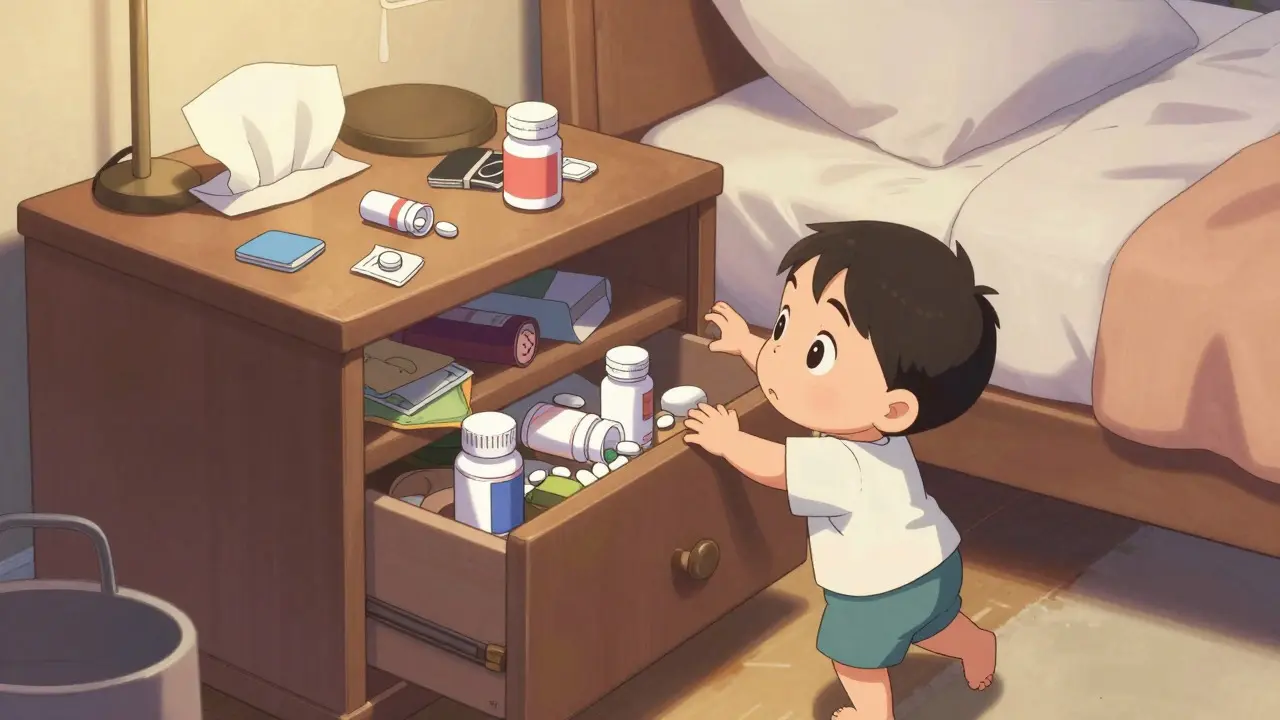
Imagine opening your medicine cabinet and finding a bottle of oxycodone that isn't yours. Or worse, a child reaching into a nightstand drawer where painkillers are casually tossed next to tissues. These aren't just hypotheticals; they are the daily realities for millions of households. High-risk medication storage is the practice of securing potent prescription drugs, particularly opioids and other controlled substances, to prevent accidental ingestion, diversion, and fatal overdose. It’s not just about being tidy. It’s a critical public health measure that has evolved significantly since the opioid epidemic began taking hold in the early 2010s.
Why does this matter so much? The numbers are stark. In the United States alone, approximately 93,000 people died from drug overdoses in 2020, with 16,000 of those deaths linked specifically to prescription opioids. But it doesn’t stop at adults. The American Association of Poison Control Centers reports around 60,000 emergency department visits annually due to accidental pediatric poisonings. If you have kids, pets, or even family members struggling with substance use disorder, how you store your meds is a life-saving decision, not just a housekeeping task.
The Core Principles of Secure Storage
Before buying anything, you need to understand what "secure" actually means in this context. It’s not enough to put pills in a drawer. You need layers of protection. The first layer is the container itself. According to FDA regulations, high-risk medications should stay in their original containers with labels intact. Why? Because transferring pills to generic bags or bottles often leads to confusion about dosage and expiration dates, increasing the risk of error. Child-resistant caps, mandated by the Poison Prevention Packaging Act of 1970, are the first line of defense against curious toddlers.
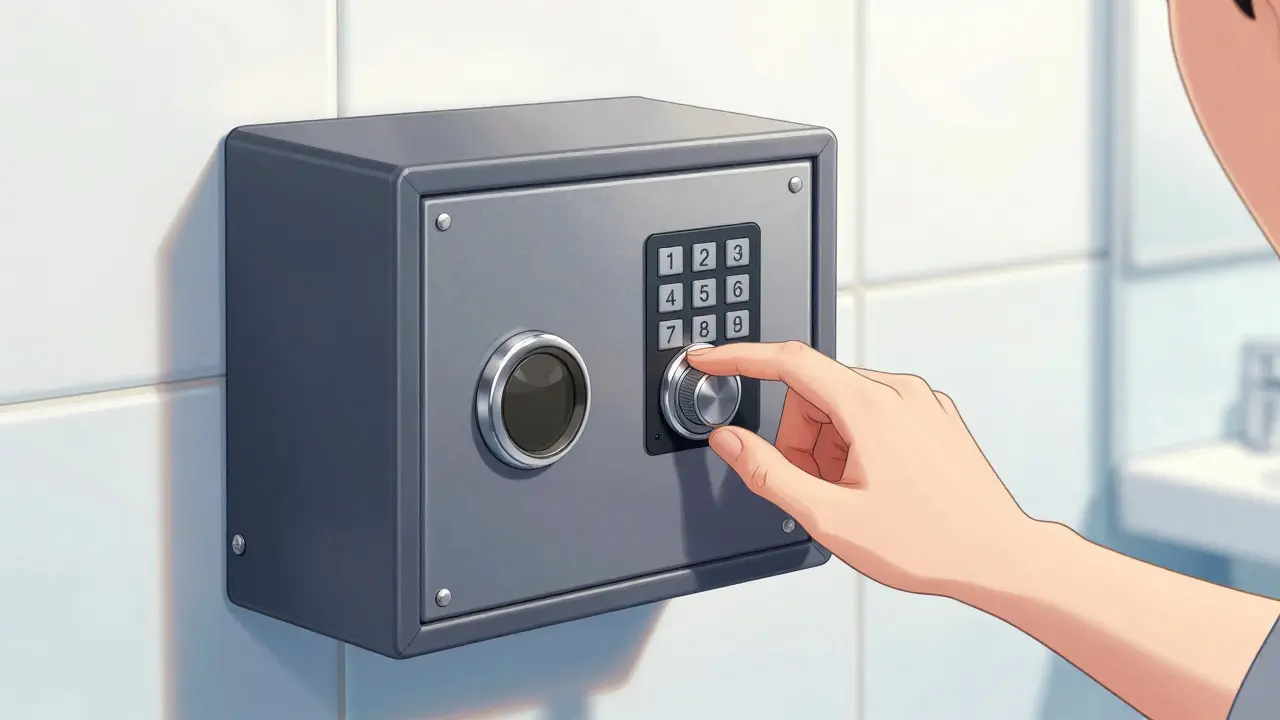
The second layer is location. The CDC recommends storing these medications at least 4 feet off the ground. This might sound excessive, but children can typically reach objects up to 36 inches high. Storing meds above this threshold reduces child access by 73% compared to keeping them in low cabinets or nightstands. However, height alone isn't enough. You need physical security. The gold standard here is a locked cabinet or box meeting ANSI Grade 2 standards, which means it can withstand at least 10 minutes of forced entry attempts. For most homes, a sturdy lockbox is sufficient, but the key is consistency. If the lock is always open because it's inconvenient, it provides zero protection.
Choosing the Right Lockbox: Practical Options
Not all lockboxes are created equal, and the right choice depends on your specific situation. Do you have arthritis? Do you live with teenagers who might know the code? Here is a breakdown of common options and their trade-offs.
| Storage Type | Cost Range (USD) | Security Level | Best For | Key Limitation |
|---|---|---|---|---|
| Basic Padlock Box | $15 - $30 | Moderate | Budget-conscious users, simple needs | Requires carrying keys, easy to pick |
| Digital Code Lockbox | $35 - $80 | High | Families with children, no key loss risk | Battery failure, code sharing issues |
| Biometric Safe | $100 - $150+ | Very High | High-value meds, frequent access needs | Higher cost, sensor sensitivity |
| Smart Dispenser | $99 - $149 | High + Tracking | Elderly patients, adherence monitoring | Complex setup, subscription fees |
If accessibility is a concern, look for boxes with emergency release mechanisms. For example, some models feature a 4-digit code that can be reset or opened easily if you struggle with dexterity. One user on a parenting forum shared that a $24.99 Walgreens lockbox saved her toddler from accessing fentanyl patches because the child couldn't pull the drawers down to reach it. That small investment prevented a potential tragedy.
Daily Habits That Make a Difference
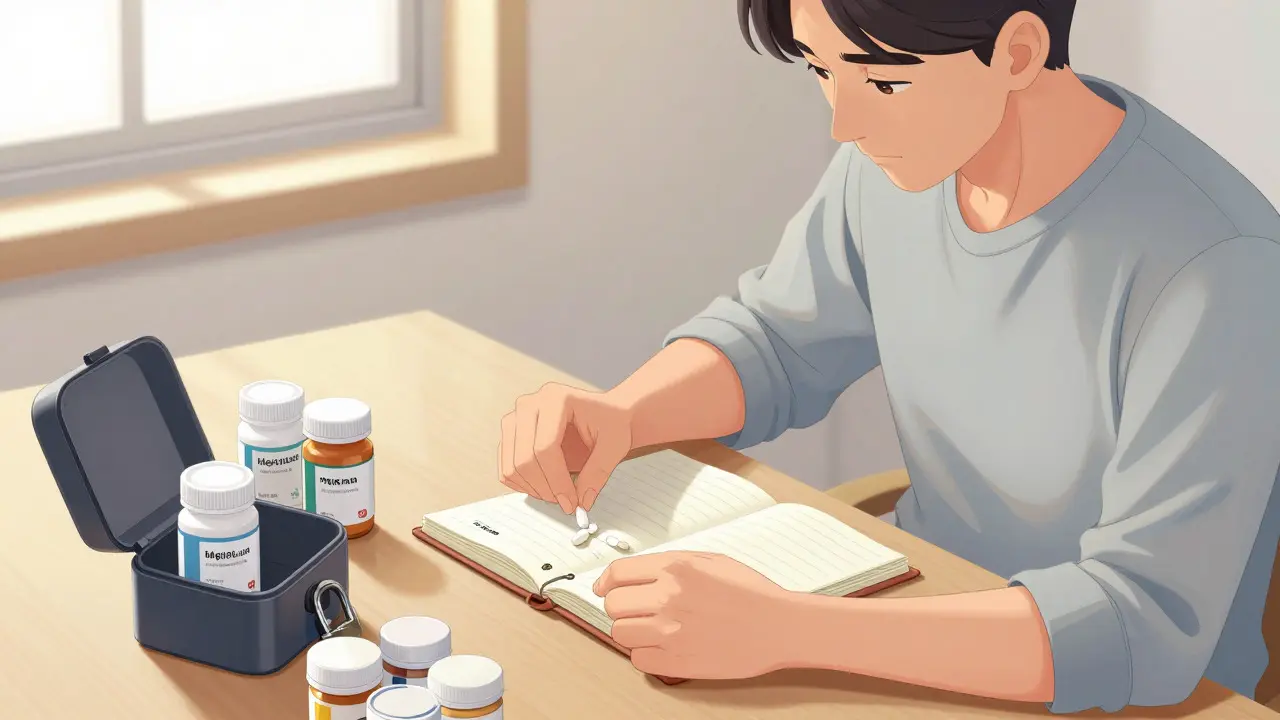
Hardware is only half the battle. The other half is behavior. The CDC’s 5-step secure storage process emphasizes routine over perfection. First, do a quick inventory of your medications every few months. This takes about 15-20 minutes and helps you spot expired or unused drugs. Second, ensure everything is back in its original labeled container. Third, check your lockbox location-make sure it’s still out of reach and secured. Fourth, establish a tracking system. This doesn’t have to be high-tech. A simple notebook where you log pill counts (e.g., "42 tablets remaining at 8:00 AM") can reveal discrepancies quickly. Fifth, dispose of leftovers properly. Don’t flush them unless instructed; use authorized collection sites or take-back days.
Tracking is crucial because 53% of non-medical opioid users obtain drugs from friends or family members' unsecured supplies. If you know exactly how many pills you have, a missing one becomes an immediate alert rather than a vague suspicion. For elderly patients, smart dispensers like the MedMinder can help, logging access attempts and sending alerts if doses are missed. While these devices are still adopted by less than 5% of users due to cost and complexity, they offer peace of mind for caregivers.
Addressing Real-World Challenges
Let’s be honest: following strict protocols can feel burdensome. Many patients report that their doctors never explicitly told them to lock up their meds. A 2021 study found that providers counsel patients on secure storage in only 37% of opioid prescription encounters. So, you have to advocate for yourself. Ask your pharmacist or doctor: "What is the safest way to store this specific medication in my home?"
Another common hurdle is affordability. About 41% of low-income households struggle to afford quality lockboxes. If budget is tight, start with a basic padlock box and focus on location. Keep it high, keep it locked, and keep it consistent. Also, consider community resources. Some pharmacies offer free or discounted lockboxes through partnerships with health organizations. The DEA’s National Prescription Drug Take Back Day, held twice a year, also helps reduce the volume of unsecured meds in circulation.
For those dealing with chronic pain, the fear of running out is real. This is where the balance between security and access gets tricky. Dr. Nora Volkow, Director of the National Institute on Drug Abuse, notes that every unsecured opioid prescription creates a risk for the entire household. To mitigate this, keep a small, separate supply in an accessible place for immediate dosing, while locking away the bulk reserve. Just remember to update your log after each dose.
When to Seek Help
If you suspect a medication has been taken accidentally or diverted, act fast. The CDC’s Poison Help hotline is available 24/7 and handled 2.1 million calls in 2022, resolving 92% of cases without needing a hospital visit. Knowing this number can reduce panic and guide you to the right resource immediately. Similarly, if you notice signs of misuse in the household, such as empty bottles appearing faster than expected, it’s time to have a conversation. Secure storage isn’t about blame; it’s about creating a safer environment for everyone.
Ultimately, reducing overdose risk starts with small, consistent actions. Lock the box. Check the count. Dispose of the old. It’s not complicated, but it is essential. By treating your medication storage with the same seriousness as you treat your diet or exercise routine, you protect not just yourself, but the entire people living under your roof.
Where is the safest place to store opioids at home?
The safest place is a locked cabinet or box located at least 4 feet off the ground. This height prevents most children from accessing the medication, and the lock prevents unauthorized adult access. Avoid nightstands, kitchen counters, or unlocked bathroom cabinets.
Do I really need to keep medications in their original containers?
Yes. Original containers have child-resistant caps and clear labeling with dosage and expiration dates. Transferring pills to other containers increases the risk of errors and makes it harder to track quantities accurately.
What should I do if I find extra pills in my lockbox?
First, check your log to see when the discrepancy occurred. Then, talk to household members about whether they took any. If the source is unknown, contact your doctor or pharmacist. Consistent logging helps identify patterns and potential diversion.
Are smart pill dispensers worth the cost?
They are worth considering if you have memory issues, live alone, or want automated reminders. They offer high accuracy and remote monitoring for caregivers. However, for most people, a simple digital lockbox and a paper log provide sufficient security at a lower cost.
How often should I review my medication storage setup?
You should do a full inventory every 3-6 months to check for expired drugs and verify counts. Daily, you should spend 2-5 minutes updating your pill count log. This routine ensures your storage remains effective and your records are accurate.