
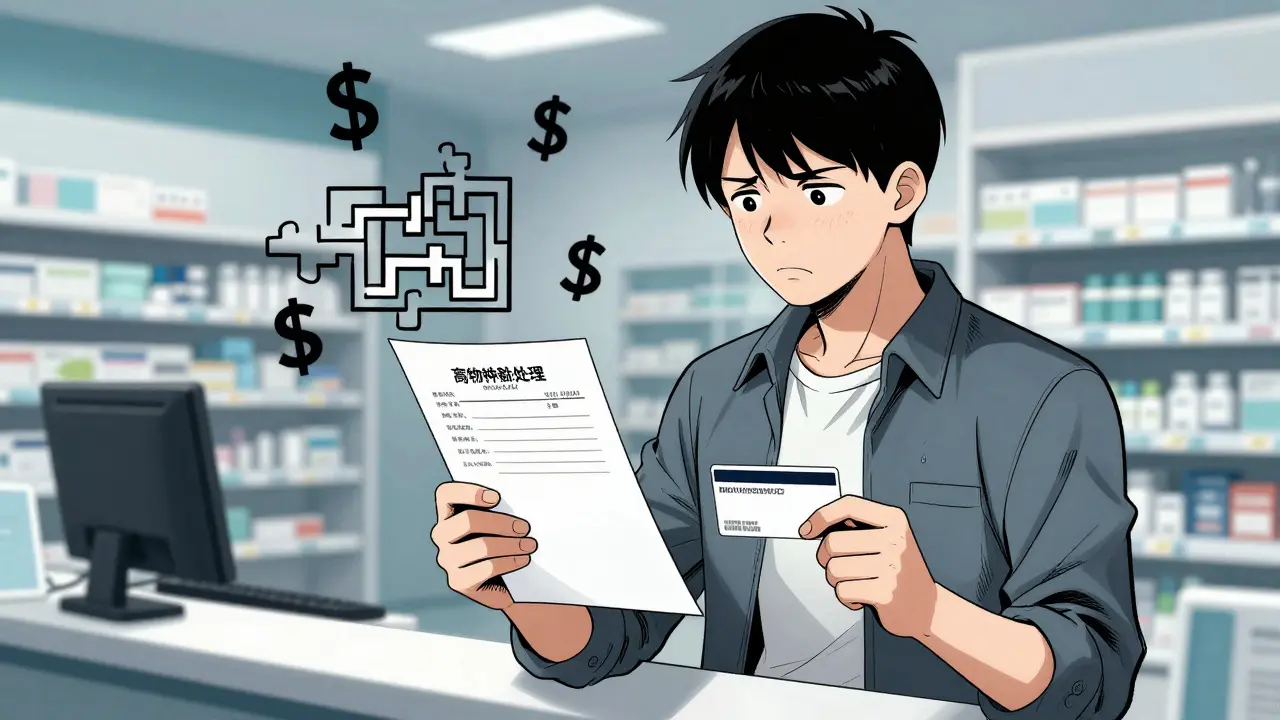
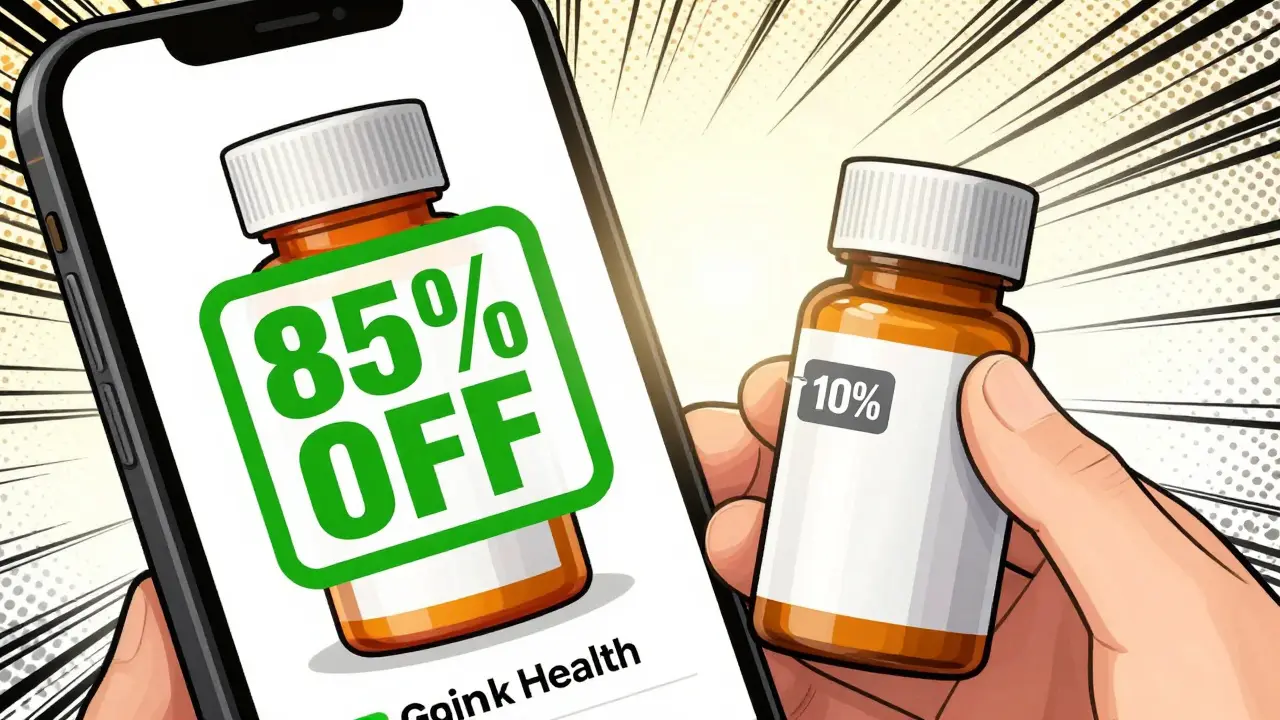
Walking into a pharmacy counter with a new prescription used to be straightforward. You handed over your insurance card, paid a small copay, and left. Today, that process feels like solving a puzzle while standing in line. If you have a high-deductible health plan, you might find yourself paying full price for medications until you meet a deductible that can exceed $1,500 or more. This is where prescription discount cards come in. They are not insurance. They do not replace your coverage. But they can slash the cash price of your generic drugs by up to 85%.
I’ve spent time looking at how these programs work because the confusion around them is real. Many people think they need special eligibility to use them. Others worry that using a coupon will mess up their insurance benefits. The truth is simpler, but it requires a bit of know-how to get the best deal. Let’s break down exactly how to use these tools to keep your medication costs down without sacrificing quality.
What Are Prescription Discount Cards?
A prescription discount card is a third-party service that negotiates lower prices with pharmacies. Think of it as a membership club for medicine. Companies like GoodRx, NeedyMeds, and Blink Health make deals with manufacturers and pharmacies to offer specific drugs at reduced rates. When you present the card-either printed out or via an app-the pharmacy charges you that discounted rate instead of the standard cash price.
These programs started big when Walmart launched its $4 generic program in 2006. Since then, the landscape has shifted from simple store-specific deals to digital platforms that compare prices across thousands of pharmacies. The key thing to remember is that these cards operate outside your insurance system. They are purely transactional. You pay the discounted cash price, and that payment does not count toward your insurance deductible.
Who Benefits Most? Uninsured vs. High-Deductible Plans
The value of a discount card depends heavily on your current coverage status. For people who are completely uninsured, these cards are often the only way to afford necessary medications. Studies show that patients who believe generic drugs are just as effective as brand names are three times more likely to use these programs. That belief drives utilization, and the savings validate it.
If you have insurance but carry a high-deductible plan, the math gets trickier. In 2022, nearly 43% of U.S. workers were covered by these plans. Until you hit your deductible, your insurance pays nothing. In this window, a discount card can save you hundreds of dollars on common generics like lisinopril or metformin. However, once you meet your deductible, your insurance copay might drop below the discount card price. Always check both options before every refill.
| Your Situation | Best Option | Why |
|---|---|---|
| No Insurance | Discount Card | Cash prices are often 50-85% higher than discounted rates. |
| High-Deductible Plan (Before Deductible Met) | Discount Card | Insurance pays $0; card offers negotiated cash rates. |
| Standard Plan (Low Copay) | Insurance | Your $10-$30 copay is usually cheaper than any discount. |
| Brand-Name Medications | Compare Both | Discounts on brands are often minimal (10-15%). |
The Generic vs. Brand Name Reality Check
This is where most people get burned. Discount cards shine when you are buying generic medications. A study published in *Circulation: Cardiovascular Quality and Outcomes* found that generic-only regimens for heart failure could cost as little as $11 per month with a discount card-a 65% drop from cash prices. That is life-changing savings for chronic conditions.
But add a brand-name drug to the mix, and the savings evaporate. The same study showed that regimens including brand-name SGLT2 inhibitors still cost between $1,200 and $1,500 monthly, even with discounts. The discount percentage dropped to about 10%. If you are prescribed brand-name medications, do not assume the card will save you much. You may need to look into manufacturer patient assistance programs or ask your doctor about therapeutic alternatives.
Top Players in the Market
Not all cards are created equal. While they all aim to lower prices, their networks and pricing models differ. Here is how the major players stack up:
- GoodRx: Founded in 2011, this is the market leader. It covers over 70,000 pharmacies. Its app is user-friendly and allows you to scan prescriptions instantly. It also offers telehealth services, letting you get prescriptions directly through the app with discounts pre-applied.
- NeedyMeds: Established in 1984, this organization focuses heavily on low-income and uninsured populations. Their database includes not just discount cards but also free clinics and government assistance programs.
- Blink Health: Launched in 2015, Blink integrates with many major pharmacy chains. Some users report better prices here for specific drugs compared to GoodRx, so comparison is key.
- Walmart/CVS/Kroger Specific Programs: These retailer-specific plans often lock you into their stores but offer flat rates like $4 for a 30-day supply of certain generics. They are simple but less flexible if you prefer a different pharmacy.
How to Actually Use Them (Without the Headache)
Using a discount card is easy, but getting the best price requires a few steps. Do not just grab the first card you see online. Prices vary wildly between pharmacies and even between cards for the same drug at the same location.
- Download Two Apps: Install GoodRx and one other competitor like Blink or SingleCare. Having two sources lets you cross-check prices quickly.
- Enter Your Prescription Details: Input the drug name, dosage, and quantity. Make sure you select "generic" if available. The price for a brand-name version will be significantly higher.
- Check Nearby Pharmacies: Look at prices within a 5-mile radius. Often, a smaller independent pharmacy nearby will beat the big chain’s price by $10 or more.
- Save or Print the Card: Most apps generate a unique barcode. You can screenshot this or print the PDF. Show this to the pharmacist instead of your insurance card.
- Ask the Pharmacist: Tell them, "I’m using a discount card today." Ensure they run the transaction as a cash discount, not through your insurance system.
This process takes about 5 to 15 minutes. It feels tedious at first, but after a few refills, it becomes routine. The time investment pays off in saved cash.
Pitfalls to Avoid
There are traps that can turn potential savings into extra costs. Watch out for these issues:
- Accidental Insurance Mixing: Never use a discount card for one refill and insurance for the next on the same prescription. Insurers may view the discount card purchase as a gap in coverage, resetting your refill schedule or denying claims. Stick to one payment method per prescription cycle.
- Price Volatility: Drug prices change frequently. A price that was good last month might be higher today. Always recheck before each refill.
- Specialty Drugs: Most discount cards do not cover specialty medications (like injectables or complex biologics). For these, you will need manufacturer support programs, not retail discount cards.
- Hidden Fees: Some lesser-known discount sites charge annual fees. Legitimate major cards like GoodRx and NeedyMeds are free to use. If a site asks for credit card info just to access a coupon, walk away.
The Future of Drug Pricing and Discounts
The landscape is shifting. By 2026, we are seeing more integration between insurance plans and discount cards. Some Pharmacy Benefit Managers (PBMs) like Express Scripts and OptumRx are building systems that automatically apply the lowest price-whether from insurance or a discount card-without requiring you to shop around. This reduces the administrative burden on patients.
However, regulatory scrutiny is increasing. The Federal Trade Commission (FTC) has investigated PBM practices, specifically "spread pricing," where middlemen profit from the difference between what insurers pay and what pharmacies receive. These investigations could reshape how discount cards operate in the coming years. For now, the market is growing fast, projected to reach $3.8 billion by 2034, driven by the rise of consumer-driven healthcare.
Until regulations force broader transparency, the power remains with the informed patient. You have to do the checking. You have to compare the numbers. But the tools are there, and for generic drugs, the savings are real.
Do prescription discount cards affect my insurance deductible?
No. Payments made with a discount card are considered cash transactions. They do not count toward your annual deductible, out-of-pocket maximum, or formulary tiers. If you want payments to count toward your deductible, you must use your insurance card.
Can I use a discount card if I have Medicare?
Yes, but with caution. You cannot use a discount card for Part D covered drugs during the initial coverage phase if you want those costs to count toward your True Out-of-Pocket (TrOOP) expenses. However, if you are in the coverage gap (donut hole), some discount cards may offer lower prices than your plan's coinsurance. Always consult your pharmacist or plan administrator before switching payment methods.
Why are prices different at different pharmacies for the same drug?
Pharmacies negotiate individual contracts with manufacturers and discount card providers. Independent pharmacies often have lower overhead and can pass on bigger savings. Large chains may have standardized pricing that doesn't reflect local competition. Always compare prices within your zip code.
Are discount cards safe to use?
Reputable cards like GoodRx, NeedyMeds, and Blink Health are safe. They do not require sensitive personal health information beyond basic demographics for age-restricted drugs. They do not sell your data to insurers. However, avoid obscure websites that request extensive medical history or payment details just to generate a coupon.
What if the discount card price is higher than my insurance copay?
Use your insurance. The goal is to pay the lowest amount possible. If your insurance copay is $15 and the discount card offers a price of $25, stick with insurance. Only switch to the discount card when it is strictly cheaper than your insurance option.