

Switching from a brand-name drug to a generic version is supposed to be seamless. The FDA says they’re the same. Your doctor says they’re interchangeable. But what if you start feeling different-headaches, dizziness, nausea, or worse-right after the switch? You’re not imagining it. And you’re not alone. Thousands of people report changes after switching to generics, even when the active ingredient is identical. The question isn’t whether it’s real-it’s what to do next.
Why Do Side Effects Happen After Switching?
Generic drugs must contain the same active ingredient, strength, and dosage form as the brand-name version. That’s the law. But they don’t have to use the same inactive ingredients. Things like fillers, dyes, binders, and coatings can vary. For most people, this makes no difference. But for some, especially those with sensitivities, these small changes can trigger reactions. Take amlodipine, a common blood pressure medication. A 2018 study found that patients switching to certain generic versions reported more swelling in the ankles than when they were on the brand name-even though the active drug was the same. Why? One theory: the generic used a different dye that irritated the gut, changing how the drug was absorbed. Another example: levothyroxine, used for thyroid conditions. Even tiny shifts in absorption can throw hormone levels off, leading to fatigue, weight gain, or heart palpitations. It’s not always the drug. Sometimes, it’s perception. A 2021 survey found 42% of patients believe generics are less effective. That belief alone can make people more likely to notice and report side effects-even if they’re unrelated. But dismissing those feelings doesn’t help. If something changed after the switch, it matters.What Counts as a Side Effect Worth Reporting?
Not every weird feeling needs a report. But here’s what does:- Any new symptom that started after you switched to the generic
- Symptoms that got worse after the switch
- Side effects not listed on the original brand-name label
- Any reaction that’s serious: hospitalization, trouble breathing, chest pain, severe rash, confusion, or suicidal thoughts
How to Report Side Effects to the FDA
You don’t need a doctor to report-but it helps. Here’s how to do it yourself:- Write down the details: When did you switch? What was the brand name? What’s the generic name? Who made it? Check the bottle-manufacturers are printed on the label. Note the National Drug Code (NDC) if you can find it.
- Describe your symptoms: Be specific. Not just “I felt bad.” Say: “Started severe headaches three days after switching. Took 3 days to go away. Never happened on the brand.”
- Choose your reporting method: You have three options:
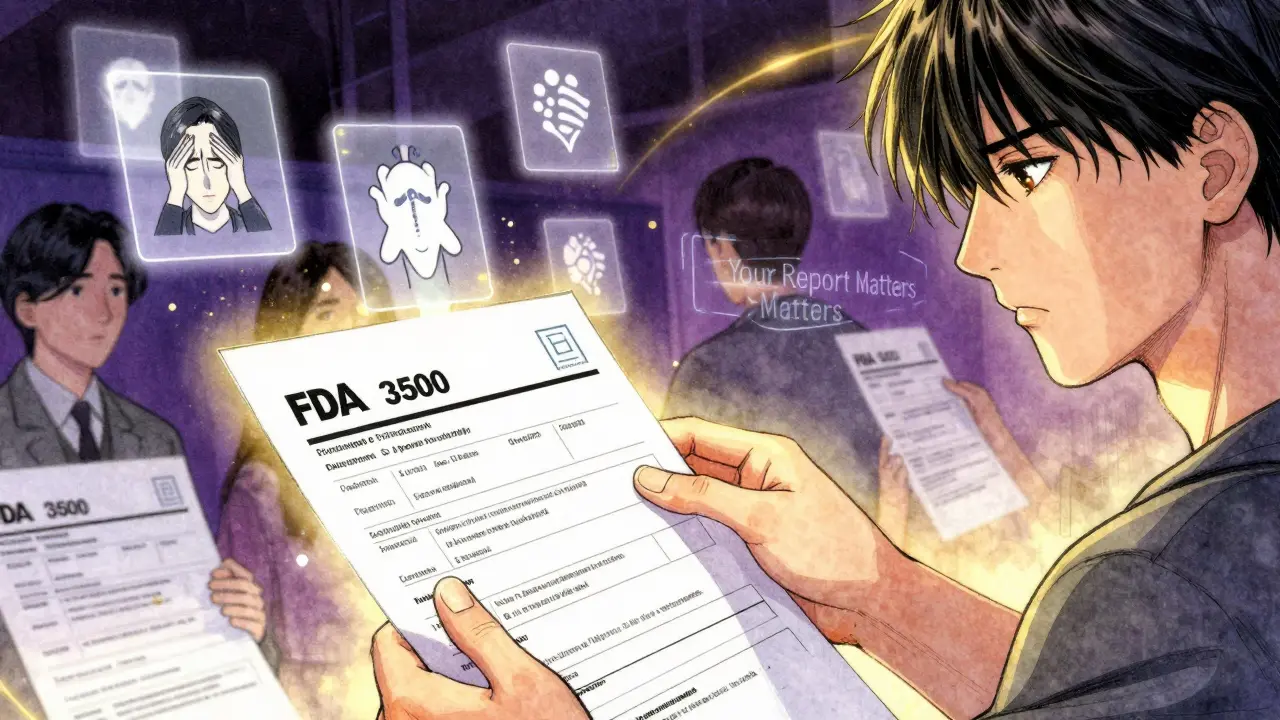
- Online: Go to www.accessdata.fda.gov/scripts/medwatch and fill out Form FDA 3500B.
- By phone: Call 1-800-FDA-1088. A representative will guide you through the process. They’ll ask for the same details you wrote down.
- By mail: Download Form FDA 3500B, fill it out, and mail it to the address on the form.
For urgent, life-threatening reactions, call 1-866-300-4374 immediately. Don’t wait.
What to Tell Your Doctor
Your doctor doesn’t have to report for you-but they can. And they should. Bring your medication bottles. Show them the label. Say: “I switched to this generic on [date], and since then, I’ve had [symptoms].” Ask them to document it in your chart. If they dismiss it, insist. You’re not being difficult-you’re helping them see a pattern. Pharmacists are also key. Many don’t know how to report, but they can help you get the right info. Ask your pharmacist: “Can you tell me the manufacturer of this generic? Is this the same as the one I was on before?” If they say “It’s the same drug,” ask: “But is it made by the same company?” That’s the difference.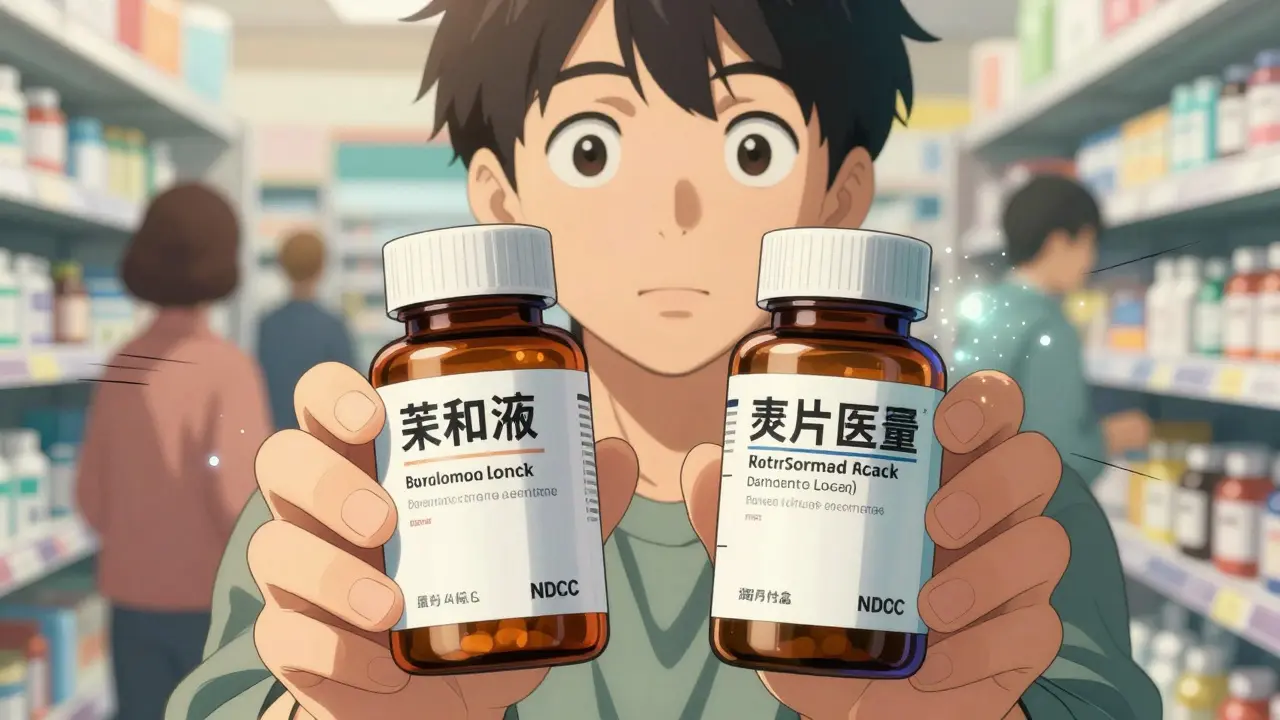
Why Your Report Matters
The FDA gets about 2 million reports a year. But only 20% come from patients like you. The rest come from doctors and drug companies. That means the system is skewed. If only professionals report, we miss the real-world experiences of people who take these drugs daily. Your report could be the one that triggers a review. In 2020, a spike in reports about a generic version of metoprolol led the FDA to investigate. They found a change in the coating that slowed absorption. The manufacturer was asked to fix it. Even if nothing changes right away, your report adds to the data. And that data helps future patients. If 100 people report the same issue with the same generic, the FDA starts looking. If only one person reports it, it gets buried.What About Authorized Generics?
There’s a version called an “authorized generic.” It’s made by the same company that makes the brand-name drug, just sold under a different label. These often cause fewer complaints because the ingredients are identical. If you’re having problems with a regular generic, ask your pharmacist: “Is there an authorized generic available?” It might cost more, but it could be worth it.Common Mistakes People Make
- Waiting too long to report. The sooner you report, the better the data.
- Not writing down the manufacturer. Many people don’t realize the same generic can come from different companies with different ingredients.
- Assuming the doctor will report it. Most don’t. It’s not their job unless it’s serious.
- Thinking it’s “all in my head.” Your body knows what it’s feeling.
What Happens After You Report?
The FDA doesn’t call you back. They don’t send a confirmation. That’s frustrating-but normal. Your report goes into the FAERS database, where it’s analyzed alongside thousands of others. If enough people report the same issue with the same generic, the FDA may:- Ask the manufacturer to investigate
- Update the drug’s warning label
- Issue a public safety alert
- Require changes to the formulation
What You Can Do Now
If you’ve had side effects after switching:- Don’t stop your medication without talking to your doctor.
- Take a photo of your prescription bottle. Keep it.
- Write down your symptoms and when they started.
- Report it within 72 hours if possible.
- Ask your pharmacist if an authorized generic is available.
The system isn’t perfect. But it only works if people use it. You’re not just protecting yourself-you’re helping others avoid the same problem.
Can I report side effects if I didn’t switch from a brand-name drug?
Yes. You can report side effects from any medication, whether it’s brand-name, generic, or even an over-the-counter drug. The FDA wants to know about all unexpected or serious reactions, no matter the source.
Do I need proof that I switched medications to report?
No. You don’t need a prescription receipt or doctor’s note. But if you can provide the name of the brand you were on, the generic you switched to, and the manufacturer, your report will be much more useful. Keep your pill bottle-it has all the info you need.
Will reporting get me in trouble with my doctor or insurance?
No. Reporting side effects to the FDA is completely separate from your medical care. Your doctor won’t be notified unless you choose to tell them. Insurance companies don’t have access to your report. It’s confidential and protected by law.
What if I don’t know the manufacturer of the generic?
Look at the prescription bottle. The manufacturer’s name is usually printed on the label. If you don’t have the bottle, call your pharmacy-they can tell you. If you can’t find it, just report what you know. The FDA can still use partial information to spot trends.
How long does it take for the FDA to act on a report?
There’s no set timeline. Some reports lead to action within weeks if there’s a clear pattern. Others take years. But each report adds to the database. The more reports about a specific generic, the more likely the FDA will investigate. Don’t wait for a response-just report.
Shae Chapman
December 31, 2025 AT 05:26henry mateo
January 1, 2026 AT 21:12Joseph Corry
January 3, 2026 AT 12:11Colin L
January 4, 2026 AT 11:55Hayley Ash
January 5, 2026 AT 21:03kelly tracy
January 6, 2026 AT 13:51srishti Jain
January 8, 2026 AT 10:39Cheyenne Sims
January 9, 2026 AT 02:11Nadia Spira
January 9, 2026 AT 08:23Kunal Karakoti
January 11, 2026 AT 07:28Kelly Gerrard
January 13, 2026 AT 02:19Glendon Cone
January 13, 2026 AT 17:18Henry Ward
January 14, 2026 AT 12:38Aayush Khandelwal
January 16, 2026 AT 06:59Sandeep Mishra
January 18, 2026 AT 01:37