
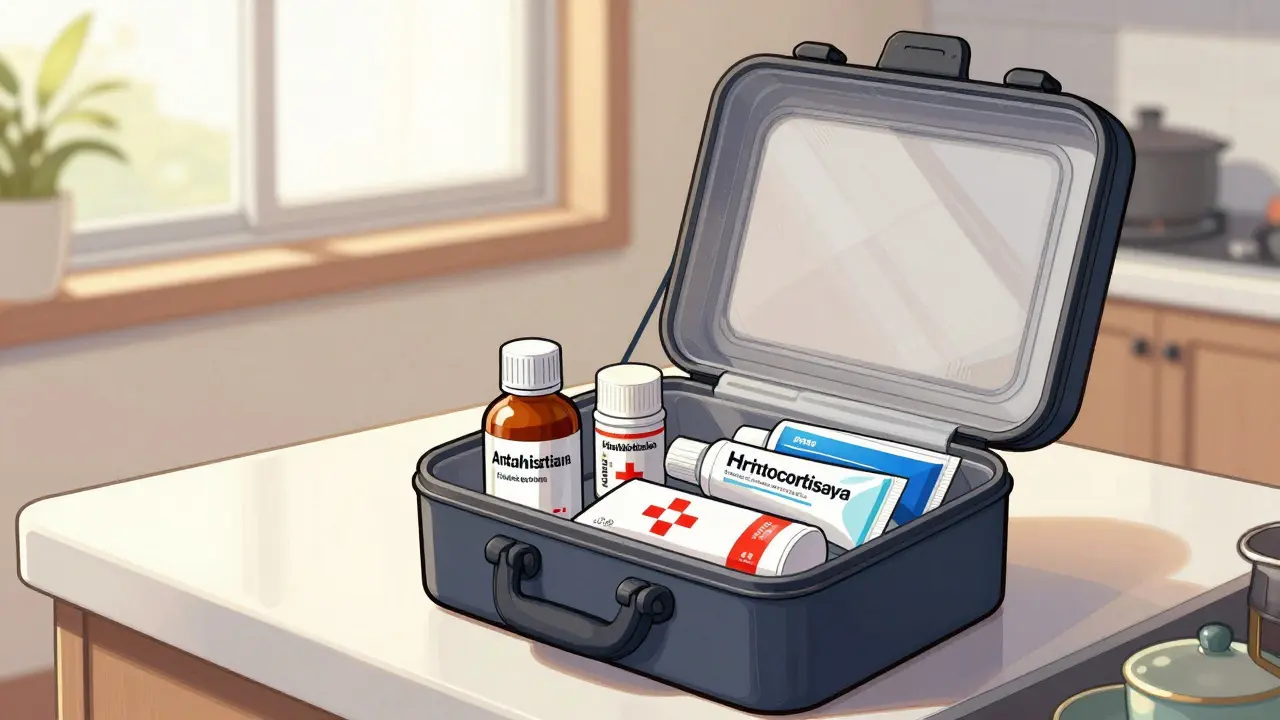
Medication Emergency Kit Builder & Symptom Checker
Check off the items you have ready in your home emergency kit.
Core Medical Supplies
Documentation & Contacts
Select symptoms experienced after taking medication. This tool provides general guidance based on standard medical protocols.
Most people keep a first-aid kit under the sink or in the garage. It usually holds bandages, antiseptic wipes, and maybe some painkillers. But there is a gap in that standard setup. We rarely prepare for the drugs we take every day. With 70% of American adults taking at least one prescription medication, the risk of an adverse reaction is real. A rash, stomach upset, or unexpected dizziness isn't just annoying; it can escalate quickly if you aren't prepared.
This isn't about replacing your doctor. It's about buying time. A specialized home emergency kit for medication side effects focuses on pharmacological complications rather than cuts and bruises. The goal is simple: stabilize the situation, document what happened, and communicate clearly with medical professionals while they are on the way or before you head to urgent care.
The Core Medical Supplies
Your kit needs to address the most common types of adverse drug reactions. According to data from the American Gastroenterological Association, gastrointestinal issues account for 20-30% of all medication-related adverse events. Allergic reactions affect another 5-10% of people exposed to new medications. Skin reactions make up another 2-3%. Your supplies should target these specific areas.
- Antihistamines: Keep an over-the-counter option like diphenhydramine (Benadryl) for mild allergic responses such as hives or itching. This can help manage symptoms while you decide if you need further care.
- Hydrocortisone Cream: A 1% hydrocortisone cream is essential for localized skin reactions. It helps reduce inflammation and itching caused by topical sensitivities or systemic drug rashes.
- Antacids: Stomach upset is a frequent side effect of antibiotics, NSAIDs, and many other drugs. Antacids provide quick relief for heartburn and indigestion. Take them as soon as symptoms start for best results.
- Anti-diarrheal Medication: Loperamide (Imodium) is crucial because gastrointestinal disturbances occur in about 25% of patients taking antibiotics. Preventing dehydration is key here.
- Epinephrine Auto-injector: If you or a family member has a history of severe allergies, a prescribed EpiPen is non-negotiable. Anaphylaxis can happen within minutes of taking a medication and requires immediate action.
Critical Contact Information
In a panic, memory fails. You cannot rely on recalling phone numbers when someone is struggling to breathe or experiencing severe vomiting. Your kit must include a printed list of emergency contacts. Digital lists on phones can fail due to dead batteries or network outages.
Include the following numbers prominently:
- Poison Control Center: In the U.S., the number is 1-800-222-1222. They handle millions of exposure cases annually, with 11% involving pharmaceuticals. Their advice is free, confidential, and available 24/7. You can also visit www.poison.org for immediate guidance.
- Primary Care Physician: Your regular doctor knows your history. They can advise if a symptom is a known, manageable side effect or something requiring immediate attention.
- Local Emergency Services: Clearly mark 9-1-1. Know when to call this number versus when to call poison control. New chest pain, difficulty breathing, or swelling of the throat requires 9-1-1 immediately.
- Pharmacist: Your local pharmacist is an underutilized resource. They can often identify interactions between over-the-counter meds and prescriptions faster than a general hotline.
Documentation and Medical History
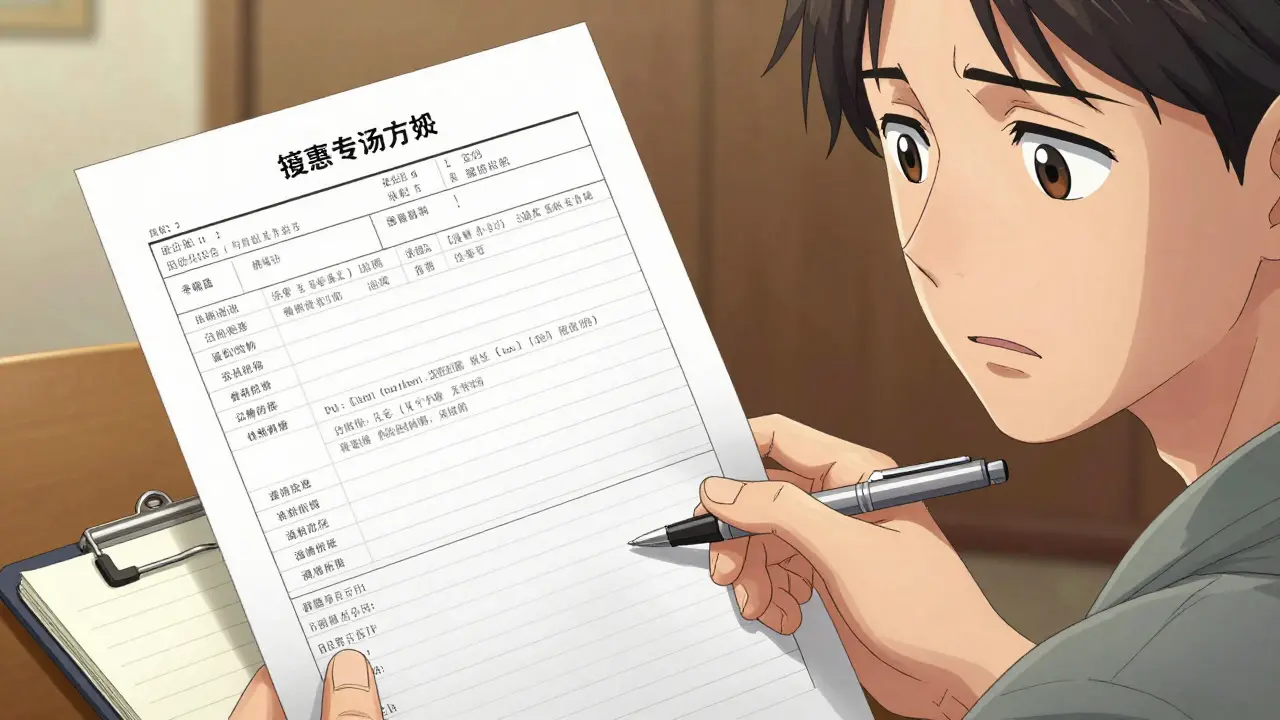
A bottle of medicine doesn't tell the whole story. Paramedics and ER doctors need context fast. Include a standardized medical history form for each family member in the kit. This document should be updated regularly.
What belongs on this form?
- Current Medications List: Include drug names, dosages, and frequency. Don't forget supplements and vitamins, as they can interact with prescriptions.
- Known Allergies: List specific drug allergies and the type of reaction you had (e.g., "Penicillin - caused hives").
- Previous Adverse Reactions: Note any past side effects, even if they were mild. This pattern recognition helps doctors predict future risks.
- Blood Type and Emergency Contacts: Basic but vital information that might not be on your driver's license.
The Institute for Safe Medication Practices emphasizes the "5 Rights" of medication safety: right patient, right drug, right dose, right route, and right time. Having this documentation helps ensure that any professional helping you adheres to these principles.
Storage and Maintenance Protocols
A kit is useless if the contents are expired or degraded. Medications lose potency over time. The FDA states that expiration dates indicate when the manufacturer guarantees full potency, typically 12-60 months from manufacturing. However, storage conditions matter more than the date on the box.
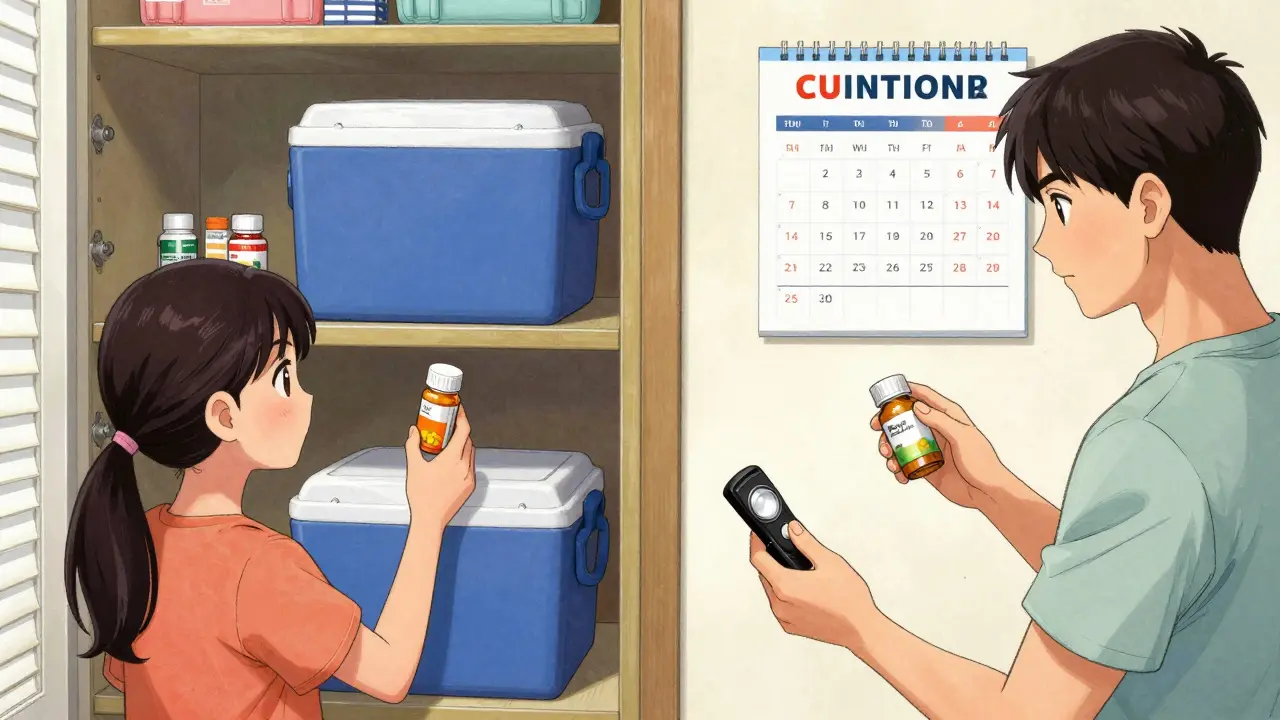
Store your kit in a cool, dry place. Bathrooms are terrible for medication storage due to humidity and temperature fluctuations. Heat and moisture can cause pills to break down or creams to separate. Check the kit quarterly. Set a reminder on your phone for the first of every quarter.
When checking the kit, look for:
- Expired medications. Replace them immediately.
- Compromised packaging. If a blister pack is torn or a cream tube is leaking, discard it.
- Battery life in any devices, such as flashlights or blood pressure monitors if included.
The American Pharmacists Association warns that improperly stored medications can lose 10-50% of their potency before the expiration date. Rotation is key. Use the oldest supplies first in daily life, and replace them in the kit.
Safety Warnings and Pitfalls
Good intentions can lead to harm if you aren't careful. One major risk is accidental overdose, particularly with acetaminophen (Tylenol). Many cold medicines, sleep aids, and prescription painkillers contain acetaminophen. Taking additional Tylenol on top of these can exceed the safe daily limit, leading to liver damage. The FDA reports approximately 56,000 emergency room visits annually due to unintentional acetaminophen overdose.
Another critical warning involves aspirin. Never give aspirin to children or teenagers recovering from viral infections like chickenpox or flu. This combination increases the risk of Reye's syndrome, a rare but serious condition that causes swelling in the liver and brain. The mortality rate for Reye's syndrome is significant, making this a hard rule to follow.
Also, avoid using activated charcoal unless directed by a poison control expert. Older guidelines suggested it for poisoning, but modern toxicology experts state it is ineffective for most pharmaceutical overdoses and can interfere with the absorption of necessary antidotes later.
Special Population Considerations
One size does not fit all. Your household may include children, elderly relatives, or individuals with chronic conditions. Tailor your kit accordingly.
For Children: Dosing is weight-based, not age-based. Acetaminophen is typically dosed at 10-15 mg/kg, and ibuprofen at 5-10 mg/kg. Keep a dosing syringe in the kit for accuracy. Remember, no aspirin.
For the Elderly: Older adults often take 4-5 prescription medications simultaneously. Polypharmacy increases the risk of interactions. Include simplified medication schedules with large-print labels. Consider adding glucose tablets if anyone has diabetes, as medication interactions can cause sudden hypoglycemia.
For Chronic Conditions: If you take insulin, beta-blockers, or antidepressants, do not stop them abruptly during an emergency without medical advice. Withdrawal symptoms can be severe. Include a week's supply of these personal medicines in your broader emergency preparedness plan, ensuring they don't require refrigeration if power is lost.
When to Seek Professional Help
Your home kit is a bridge, not a destination. Knowing when to cross that bridge to professional care is vital. The American College of Emergency Physicians notes that 75% of medication-related ER visits could have been prevented with better home management, but some situations demand immediate hospitalization.
Call 9-1-1 if you experience:
- Difficulty breathing or swallowing
- Swelling of the face, lips, tongue, or throat
- Chest pain or pressure
- Seizures
- Loss of consciousness
For less severe but concerning symptoms, contact Poison Control or your primary care provider. Document everything. Use the small notepad and waterproof pen included in your kit. Write down the time the medication was taken, the dose, the onset of symptoms, and any interventions you performed. This timeline improves diagnostic accuracy by 40%, according to the American Medical Association.
How often should I check my medication emergency kit?
You should check your kit quarterly, or every three months. Set a recurring reminder on your phone. During each check, verify expiration dates, inspect packaging for damage, and ensure batteries in any devices are fresh. Replace any compromised items immediately.
Can I use over-the-counter medications to treat severe side effects?
Over-the-counter medications are only suitable for mild to moderate symptoms like minor rashes, mild stomach upset, or low-grade fever. For severe reactions such as difficulty breathing, swelling, or high fever, do not self-treat. Call 9-1-1 or Poison Control immediately. Self-treating severe symptoms can delay critical care.
Why is acetaminophen dangerous in an emergency kit?
Acetaminophen is hidden in many multi-symptom cold, flu, and pain medications. If you take a cold medicine containing acetaminophen and then add extra Tylenol for pain, you can easily exceed the safe daily limit. This leads to acute liver failure. Always check ingredient labels carefully and track total daily intake.
Should I include activated charcoal in my kit?
No, modern toxicology guidelines advise against keeping activated charcoal for home use. It is largely ineffective for most pharmaceutical overdoses and can prevent the body from absorbing necessary antidotes administered by medical professionals. Only use it if explicitly instructed by Poison Control or a doctor.
Where is the best place to store the kit?
Store the kit in a cool, dry, and accessible location, but out of reach of children. Avoid bathrooms and kitchens near sinks where humidity and heat fluctuate. A bedroom closet or a dedicated cabinet in a hallway works well. Ensure everyone in the household knows exactly where it is located.