
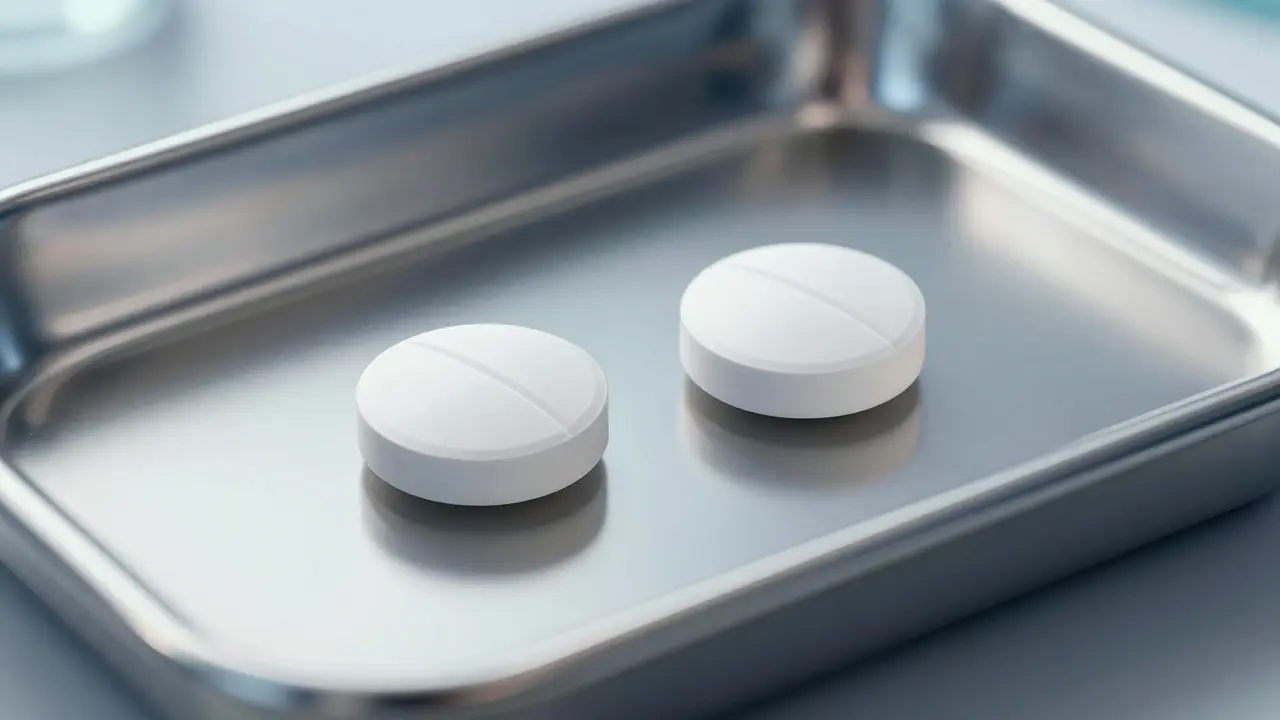
Did you know that roughly 90% of prescriptions filled in the United States are for generic medications? While this saves the healthcare system billions of dollars annually, there is a critical safety question that lingers in the background: Does the cheaper pill actually work exactly the same as the expensive brand name? For manufacturers trying to get their version approved, proving this sameness isn't just good practice; it is a federal mandate enforced by the U.S. Food and Drug Administration.
To answer this question, companies must conduct bioequivalence studies. These rigorous tests determine whether a generic drug delivers its active ingredient into the bloodstream at the same rate and extent as the original brand-name product. It is not enough to have the same chemical formula sitting in a tablet. The human body is a complex environment, and even small differences in how a pill dissolves can change how effective the medicine is. Understanding the FDA's specific requirements for these studies helps clarify why the approval process looks the way it does.
Defining Bioequivalence in Regulatory Terms
When people talk about generic drugs are pharmaceutical alternatives to brand-name medications with the same active ingredients, dosage form, strength, and route of administration, they often assume "same" means identical in every way. In regulatory science, the definition is more specific. The FDA defines bioequivalence as the absence of a significant difference in the rate and extent to which the active ingredient becomes available at the site of drug action. This definition appears in the Code of Federal Regulations (21 CFR 320.1) and is the bedrock of the entire generic drug program.
This concept relies on the assumption that if two products behave similarly inside the body, they will provide similar therapeutic effects. This principle, known as the Fundamental Bioequivalence Assumption, allows regulators to approve generic versions without requiring full-scale clinical trials involving thousands of patients to prove efficacy again. However, getting this right is far from simple. If the rate of absorption differs too much, patients could experience weaker effects or unexpected side effects, especially with medications that have a narrow margin between healing and harming.
The Legal Framework: Hatch-Waxman and ANDAs
The requirement for these studies stems directly from the Hatch-Waxman Amendments of 1984. Before this legislation, creating a generic version of a patented drug was incredibly difficult because manufacturers had to repeat the massive clinical trials originally done by the innovator. The Hatch-Waxman Act changed this by introducing the Abbreviated New Drug Application (ANDA). Through an ANDA, manufacturers submit data showing their product matches the Reference Listed Drug (RLD).
| Feature | New Drug Application (NDA) | Abbreviated New Drug Application (ANDA) |
|---|---|---|
| Primary Focus | Safety and Efficacy in humans | Bioequivalence to reference drug |
| Clinical Trials Required | Extensive Phase I-III trials | Typically only Bioequivalence (BE) studies |
| Cost Estimate | $1 billion+ average | $500k - $2 million per study |
| Timeline | 10-15 years development | 14-18 months submission to approval |
The ANDA path relies heavily on bioequivalence data to substitute for the extensive safety testing required for new drugs. To maintain the public trust in medicines, the FDA mandates that any company using this pathway must demonstrate pharmaceutical equivalence first-meaning the same active ingredient, strength, and dosage form-and then biological equivalence through controlled studies.
How Bioequivalence Studies Are Conducted
Moving from theory to practice, the actual testing involves real human subjects. For most systemic drugs, the FDA requires in vivo pharmacokinetic studies. These are typically conducted in groups of healthy volunteers, usually numbering between 24 and 36 participants. This sample size is calculated statistically to ensure that natural variations between individuals don't mask the differences between the test generic and the reference brand.
The process generally follows a crossover design. Volunteers take the generic version first, wait for a washout period so the drug clears their system, and then take the brand version. Alternatively, the order might be reversed. Researchers collect blood samples over time to measure concentration levels. Two key metrics drive the analysis:
- Cmax (Maximum Concentration): How high the drug level peaks in the bloodstream. If this is too low, the medicine might not work well. If it is too high, toxicity risks increase.
- AUC (Area Under the Curve): The total exposure to the drug over time. This indicates whether the body gets enough of the medicine for the duration needed to treat the condition.
The study must be run under Good Clinical Practice regulations and often includes strict dietary controls. Many studies require fasting conditions to see how food interacts with the drug absorption. If the brand drug label suggests taking the medication with food, a separate fed-state study is also mandatory to match those conditions accurately.

The 80-125% Acceptance Criteria
Once the blood data is collected, statisticians analyze the numbers to determine if the generic passes. The core metric is the 80-125% rule. The geometric mean ratios for both Cmax and AUC are calculated, along with a 90% confidence interval. The entire interval must fall within the range of 80% to 125%. This means the generic can release slightly less or slightly more drug than the brand, but not beyond that statistical boundary.
Why isn't it set at exactly 100%? Because biological systems naturally vary. Even when you take the exact same pill twice, your body absorbs it slightly differently each time due to digestion, metabolism, and hydration levels. The 80-125% window accounts for this biological noise while ensuring the drug is therapeutically equivalent. For standard drugs, this rule has remained consistent since 1992. However, exceptions exist for complex cases where this range might allow unsafe variance.
Special Cases: Narrow Therapeutic Index Drugs
Not all drugs play by the standard rules. Some medicines, called Narrow Therapeutic Index (NTID) drugs, leave very little room for error. Examples include Warfarin, Levothyroxine, and Lithium. With these drugs, a 20% difference in exposure could push a patient from therapeutic effect into toxicity. Because the standard 80-125% range is too wide for these sensitive medications, the FDA applies tighter limits. Often, the confidence interval must fall between 90% and 111% instead.
Highly Variable Drugs (HVDs) present another challenge. Sometimes the brand drug itself shows huge variability between different people. In these scenarios, applying the standard fixed limit unfairly penalizes generics that behave normally compared to the erratic brand performance. The FDA has introduced Scaled Average Bioequivalence (SABE) methods for specific products. This approach references the variability of the reference drug to set a looser limit that still ensures safety without rejecting safe generics unnecessarily.

When Human Studies Are Waived
You might wonder if every single generic pill needs a human trial. Fortunately, the answer is no. The FDA allows for biowaivers in certain categories. This avoids unnecessary exposure to healthy volunteers when science proves the risk of difference is negligible. Biowaivers are possible for injectable solutions or drugs intended for local action, such as eye drops or topical creams.
The criteria for these waivers are strict. They rely on the Q1-Q2-Q3 framework established under 21 CFR 320.22. The generic must contain the same active ingredient quantities (Q1), the same excipients and concentrations (Q2), and show identical physicochemical characteristics like pH and solubility (Q3). If these conditions are met, in vitro testing (lab dissolution tests) can replace in vivo human trials. This speeds up development significantly, potentially shaving 6 to 12 months off the timeline.
Costs, Timelines, and Submission Quality
Relying on a waiver is efficient, but running a full study comes with a heavy price tag. Industry estimates place the cost of a single adequate bioequivalence study between $500,000 and $2 million. Given the typical timeline of 14 to 18 months for review, manufacturers must prepare carefully. Data from fiscal year 2022 showed that the FDA had a 43% first-cycle approval rate for ANDAs. This means more than half of submissions returned with deficiencies requiring re-submission.
One major factor influencing success rates is the adherence to Product-Specific Guidances (PSGs). As of late 2023, the FDA maintains over 2,100 active PSGs covering almost every prescription drug type. Companies following these specific guidelines achieve approval rates of nearly 68%, compared to just 29% for those who ignore them. The guidance documents cover everything from the number of volunteers needed to the specific analytical methods for measuring blood levels.
Future Directions in Bioequivalence
The landscape continues to shift. Under GDUFA III (Generic Drug User Fee Amendments), the FDA committed to refining how they handle complex products like inhalers, combination devices, and transdermal patches. Mechanistic tools like physiologically based pharmacokinetic (PBPK) modeling are now accepted as part of the evidence package. This computational approach simulates drug behavior in virtual populations to support decisions, adding another layer of sophistication to the approval process.
For industry professionals and investors, understanding these nuances is vital. The bioequivalence pathway is the engine of the generic market, balancing access to affordable medicine with the scientific rigor necessary for patient safety.
What is the primary purpose of a bioequivalence study?
The primary purpose is to demonstrate that a generic drug product performs comparably to the reference listed drug (brand name) in terms of the rate and extent of absorption into the bloodstream. This ensures the generic provides the same therapeutic effect and safety profile.
Can a generic drug differ from the brand name pill?
Yes. While the active ingredient must be the same, inactive ingredients (like fillers or colors) can differ. The appearance and taste may also vary. However, the bioavailability of the active ingredient must remain within the strict regulatory limits to be considered equivalent.
Who participates in bioequivalence studies?
Studies are typically conducted in healthy adult volunteers, usually ranging from 24 to 36 individuals. These participants undergo screening, receive the test and reference drugs in a controlled setting, and have blood samples taken repeatedly over several days.
What is a biowaiver?
A biowaiver is a regulatory exception granted by the FDA allowing manufacturers to waive the requirement for in vivo human bioequivalence studies. This is permitted for certain categories of drugs, like parenteral injections or immediate-release tablets meeting specific physicochemical similarity criteria.
How does the FDA define bioequivalence limits?
Generally, the 90% confidence interval for the ratio of the generic to the reference drug for Cmax and AUC must fall entirely within 80% to 125%. For Narrow Therapeutic Index drugs, these limits are tighter, often requiring the interval to be between 90% and 111%.
Molly O'Donnell
April 1, 2026 AT 09:34Most folks never understand why the 80-125% rule actually exists in the first place.
James DeZego
April 1, 2026 AT 14:55This breakdown really highlights how crucial those crossover designs are for safety :)
Russel Sarong
April 3, 2026 AT 04:36Exactly!!! The variability is insane!! Don't forget the washout period matters!!
Rod Farren
April 4, 2026 AT 18:20Pharmacokinetic profiling determines if the geometric mean ratios fall strictly within the bioavailability acceptance criteria limits set by regulatory bodies.
Callie Bartley
April 6, 2026 AT 01:52Honestly nobody cares about the actual science behind these filings anymore we just want cheap pills that work.
We get annoyed when approvals take too long.
Arun Kumar
April 6, 2026 AT 12:25Safety protocols exist for a reason and understanding the background builds better trust within the community for everyone involved.
Rocky Pabillore
April 8, 2026 AT 09:14One must recognize the intellectual depth required to parse these complex regulatory frameworks correctly without oversimplification.
The nuances matter immensely.
Cullen Zelenka
April 10, 2026 AT 00:51It is great that more transparency is coming out regarding the approval timelines for generic medications.
Cara Duncan
April 11, 2026 AT 20:30That is a valid point but simplicity helps more people access the information too 😊
Balance is key here.
Julian Soro
April 13, 2026 AT 00:27Thanks for sharing the details on biowaivers because that saves healthy volunteers from unnecessary exposure.
It makes the process more humane.
Christopher Beeson
April 13, 2026 AT 13:58Savings are fine until the statistical power gets lost in the translation of the data.
The risks often get swept under the rug.
Sharon Munger
April 14, 2026 AT 01:45The waiver rules help speed things up without compromising quality too much
Eleanor Black
April 14, 2026 AT 23:44It is truly remarkable how the system handles such sensitive materials. Many individuals worry about the safety aspects involved. We must consider the impact on vulnerable populations everywhere. The data presented shows rigorous standards being maintained. Trust in healthcare relies on these foundational processes working correctly. Without proper oversight gaps would inevitably appear over time. The effort dedicated to ensuring equivalence cannot be understated. Each study contributes significantly to the broader knowledge base. Patients benefit directly from these strict adherence protocols. Manufacturers also gain clarity through the defined submission pathways. Clarity reduces friction during the application review phase. Transparency fosters confidence among the medical community stakeholders. Long term effects of these policies remain largely positive. Continued investment in research supports ongoing public health goals. Future developments promise even more refined monitoring capabilities soon. Everyone benefits when safety remains the top priority always.
Hope everyone feels reassured by this process.