
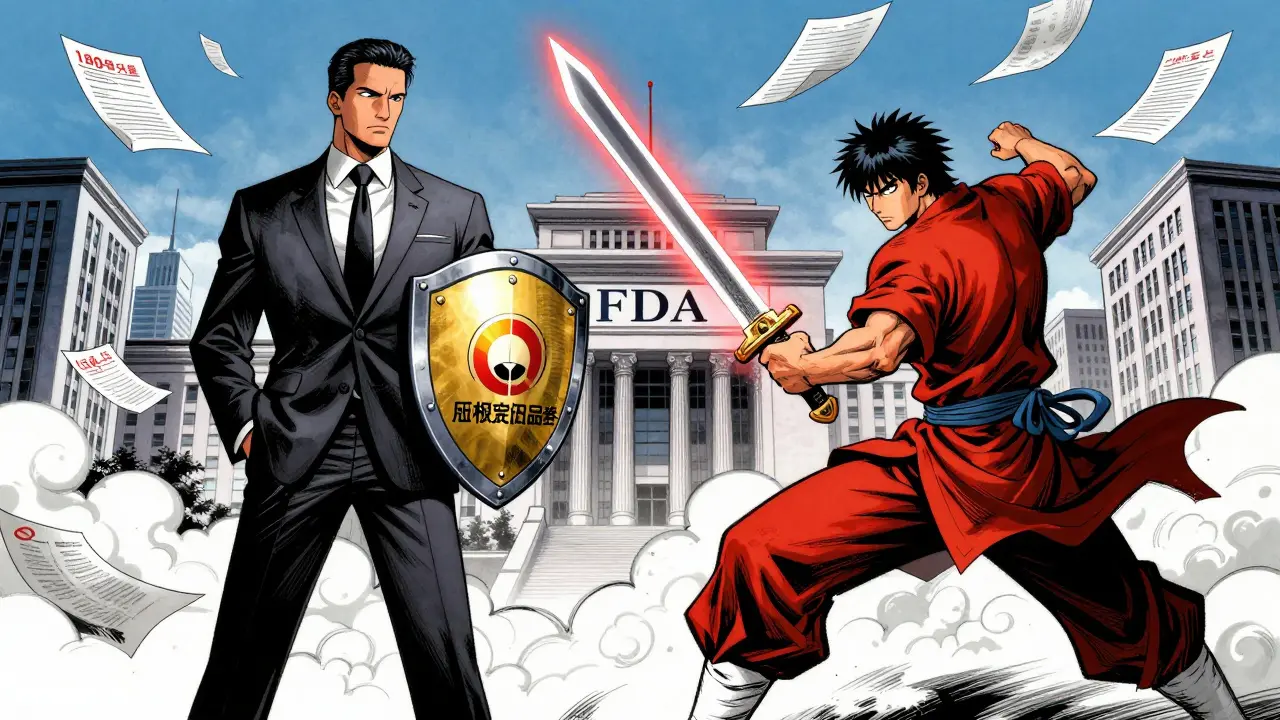
When a brand-name drug loses its patent protection, the price usually drops. But not all generic drugs are created equal, and their impact on your wallet depends heavily on who gets to sell them first. You might have heard of authorized generics, which are essentially brand-name drugs sold under a different label by the original manufacturer. Then there are first-to-file generics, the independent manufacturers that race to be the first to get approval from the FDA. The question isn't just about quality-it's about cost. Who saves you more money? And does the presence of one type of generic actually hurt the other?
To understand this, we need to look at how the U.S. pharmaceutical market works. It’s a complex dance regulated by laws like the Hatch-Waxman Act of 1984. This law was designed to balance two competing interests: rewarding innovation for brand-name companies while encouraging competition through cheaper alternatives. The result is a system where timing, exclusivity rights, and strategic launches play a huge role in determining what you pay at the pharmacy counter.
Understanding the Players: Authorized vs. First-to-File
Let’s break down the two main competitors in this space. An authorized generic (AG) is a product manufactured by the brand-name company or licensed by them. It contains the exact same active ingredients and meets the same specifications as the brand-name drug. The only difference is the packaging and the name. Because it uses the brand’s existing New Drug Application (NDA), it doesn’t need to go through the full generic approval process. This means an authorized generic can enter the market at any time, even before traditional generics are approved.
On the other side, you have the first-to-file generic. These are independent manufacturers who submit an Abbreviated New Drug Application (ANDA) to prove their drug is bioequivalent to the brand. Under the Hatch-Waxman Act, the first company to file this application and successfully challenge the brand’s patent gets a special reward: 180 days of market exclusivity. During this period, they are the only generic competitor allowed to sell the drug. This exclusivity is a massive financial incentive, often worth hundreds of millions of dollars, which is why generic firms fight so hard to be first.
| Feature | Authorized Generic (AG) | First-to-File Generic |
|---|---|---|
| Manufacturer | Brand-name company or licensee | Independent generic manufacturer |
| Approval Path | Uses Brand’s NDA (faster entry) | Requires ANDA filing (slower) |
| Market Exclusivity | None (can launch anytime) | 180 days of protected sales |
| Pricing Strategy | Often priced lower than brand, but higher than generics | Priced significantly lower to capture market share |
The Price Impact: What the Data Shows
So, who wins the price war? The short answer is: you do, when both compete. But the dynamics change depending on whether an authorized generic is present during the first-to-file’s exclusivity period. The Federal Trade Commission (FTC) has studied this extensively, and their findings paint a clear picture of how these two types of generics affect costs.
In markets where only the first-to-file generic exists (what the FTC calls "ANDA-only" markets), the retail price paid to pharmacies is typically about 14% below the corresponding brand-name price. However, when an authorized generic enters the mix (an "ANDA+AG" market), that discount jumps to approximately 18% below the brand price. That’s a 4 percentage point greater discount for consumers and pharmacies.
The savings are even more dramatic when looking at wholesale costs. In ANDA-only markets, the average pharmacy acquisition cost for generics is 20% below brand prices. In ANDA+AG markets, this reaches 27% below brand prices-a 7 percentage point improvement. According to the FTC’s 2013 report, the presence of authorized generic competition during the 180-day exclusivity period results in retail generic prices that are 4-8% lower and wholesale prices that are 7-14% lower compared to scenarios without authorized generic competition.
Why does this happen? Competition forces prices down. Even though the authorized generic is technically a "brand" product, it acts as a competitive pressure valve. It prevents the first-to-file generic from charging monopoly-like prices during their exclusive window. Without the AG, the first-filer has no real competition for six months. With the AG, they must keep their prices attractive to retain customers.
Revenue Shock for First-to-File Generics
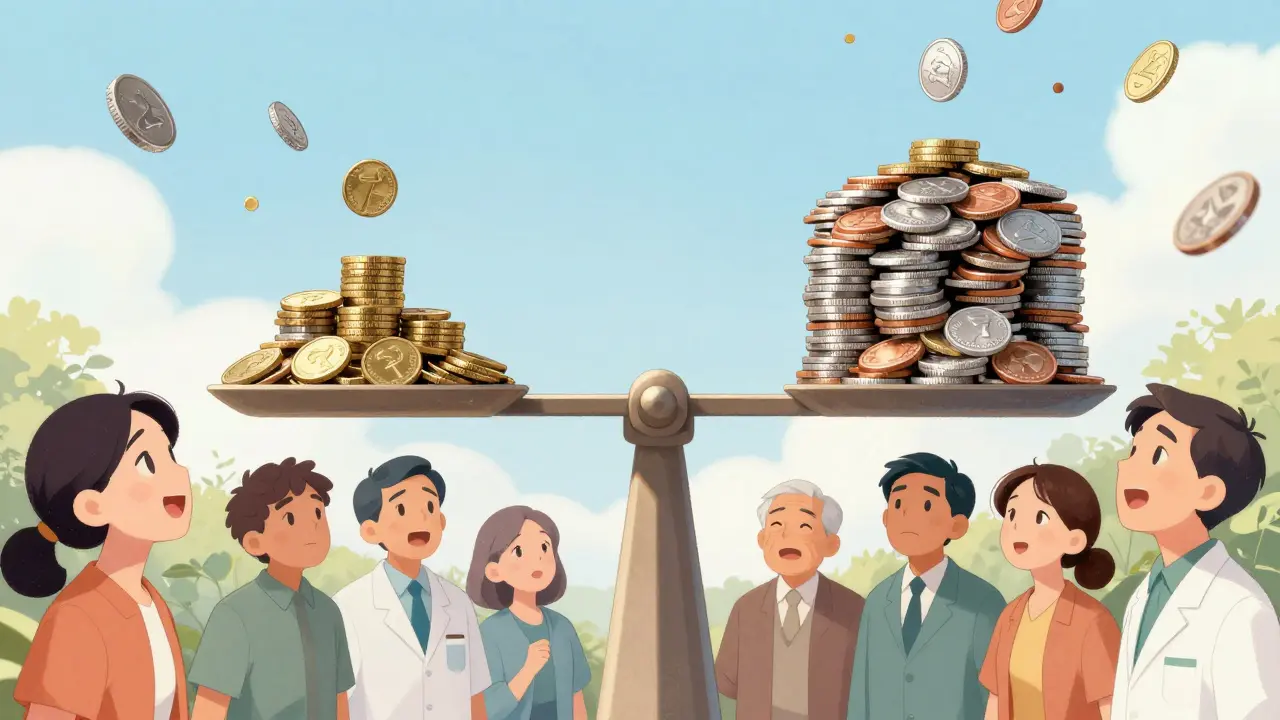
If authorized generics are good for consumers, they’re bad news for the first-to-file generic manufacturers. The introduction of an authorized generic during the 180-day exclusivity period can reduce the first-filer’s revenues by 40 to 52 percent. This isn’t a temporary blip; the FTC noted that this revenue impact persists for up to 30 months after the exclusivity period ends.
This significant loss raises a critical question: Does this discourage generic companies from challenging patents in the first place? If the potential payout is slashed by half because the brand launches an authorized generic, why bother investing millions in legal battles and regulatory filings? Dr. Robin Feldman, a pharmaceutical policy expert at UC Hastings College of the Law, points out that the 180-day exclusivity period can be worth several hundred million dollars. Losing nearly half of that seems like a major deterrent.
However, the FTC’s analysis found no measurable reduction in the number of patent challenges by generic firms. Despite the revenue hit, generic manufacturers continue to file ANDAs aggressively. This suggests that even with authorized generic competition, the remaining profit potential is still high enough to justify the risk. The system, therefore, continues to function as intended, driving innovation and competition.
Pharmacy Profit Margins: Who Really Wins?
While patients see lower prices, pharmacies often see higher profits. This might seem counterintuitive, but it’s due to how reimbursement works. When a first-to-file generic enters the market, gross profit per prescription often jumps because the gap between the reimbursement rate and the acquisition cost widens. When an authorized generic joins the fray, these profits increase even further.
Data from Drug Channels, based on FTC analysis, shows that pharmacy margins expand during periods of authorized generic competition. This is because pharmacies can buy the generic at a lower wholesale price (thanks to the increased competition) but may still receive reimbursement rates that haven’t fully adjusted downward yet. This dynamic creates a win-win scenario for pharmacies and patients, even if it squeezes the first-to-file generic manufacturer.
Long-Term Market Dynamics and Regulatory Scrutiny
The landscape of generic competition is evolving. The Supreme Court’s 2013 decision in FTC v. Actavis clarified that patent settlement agreements could raise antitrust concerns if they unfairly delay generic entry. This scrutiny extends to authorized generic launches, which are sometimes part of settlement deals between brand and generic companies. The FTC remains vigilant, with Commissioner Alvaro Bedoya emphasizing in 2022 that anti-competitive practices in the generics market are a priority.
Recent research published in Health Affairs in 2023 highlighted another trend: not all authorized generics stay in the market long-term. Approximately 20% of authorized generics launched between 2010 and 2014 had no sales in Medicare data after five years. This suggests that while AGs can disrupt the initial price equilibrium, they may not always provide sustained competition.
Additionally, the FDA’s Generic Drug User Fee Amendments (GDUFA) program has streamlined the approval process for traditional generics. First-cycle approval rates have increased from around 20% to approximately 66%, reducing time to market by about 13 months. This efficiency lowers the barrier for traditional generics, potentially making authorized generics less necessary for brands trying to protect their market share.
Strategic Considerations for Stakeholders
For patients, the takeaway is simple: more competition means lower prices. Whether it’s an authorized generic or a first-to-file generic, having multiple options drives costs down. For pharmacies, understanding these dynamics helps in inventory management and negotiating with suppliers. For policymakers, the evidence suggests that the current system strikes a reasonable balance. While authorized generics hurt first-filer revenues, they don’t stifle the overall incentive to bring generic drugs to market.
However, there are nuances. If a brand company launches a new version of its drug-such as an extended-release formulation-it can cannibalize the market for the original generic. Research by the Administration for Strategic Planning and Evaluation (ASPE) found that such moves can reduce the market size for first-to-file generics by up to 29% within the first year. This adds another layer of complexity to the cost comparison, as brands use various strategies to maintain revenue streams beyond patent expiration.
Are authorized generics cheaper than first-to-file generics?
Not necessarily. Authorized generics are typically priced lower than the brand-name drug but often higher than traditional first-to-file generics. However, their presence forces first-to-file generics to lower their prices, resulting in overall lower costs for consumers compared to markets without authorized generic competition.
What is the 180-day exclusivity period?
The 180-day exclusivity period is a reward granted by the FDA to the first generic manufacturer to file an Abbreviated New Drug Application (ANDA) and successfully challenge a brand-name drug’s patent. During this time, no other generic versions can be marketed, allowing the first-filer to capture significant market share and revenue.
Do authorized generics reduce incentives for generic companies to challenge patents?
According to the FTC’s 2013 report, there is no measurable reduction in patent challenges despite the revenue impact of authorized generics. While authorized generics can cut first-filer revenues by 40-52%, the remaining profit potential is still sufficient to motivate generic manufacturers to pursue patent litigation.
How do authorized generics affect pharmacy profits?
Authorized generics can increase pharmacy profit margins. By introducing additional competition, they drive down wholesale acquisition costs for generics. Pharmacies may continue to receive reimbursement rates that haven’t fully adjusted to these lower costs, leading to higher gross profits per prescription.
Is an authorized generic the same quality as the brand-name drug?
Yes. Authorized generics are manufactured by the brand-name company or its licensees using the same facilities and specifications. They contain the identical active ingredients and meet the same quality standards as the brand-name drug. The only differences are the packaging and the name.